
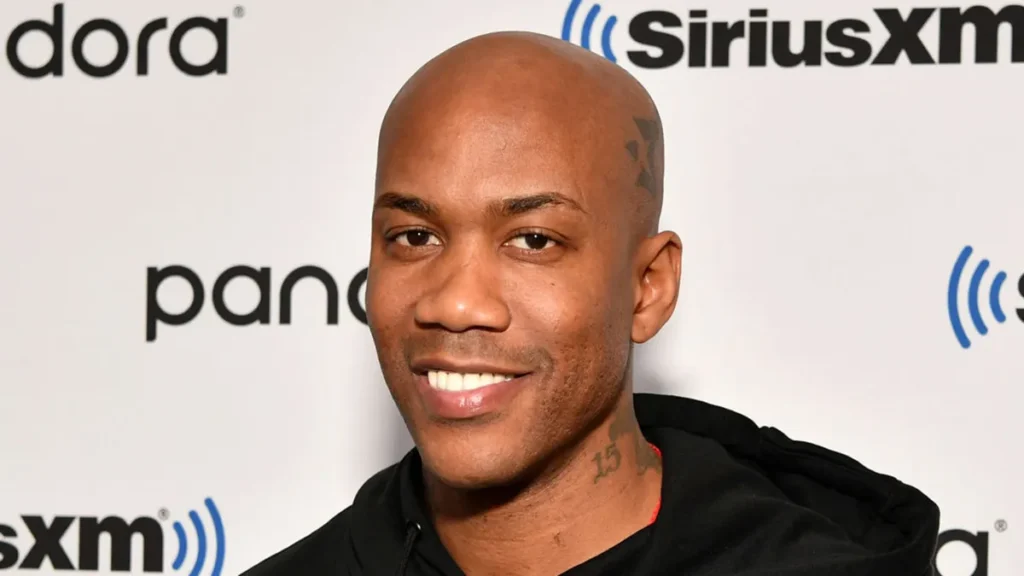
The energy inside Madison Square Garden during the NBA Playoffs is a physical force. It is a vibrating, screaming, blue-and-orange heartbeat that connects generations of New Yorkers. On April 20, as the Knicks battled for postseason supremacy, the team’s official social media account posted a clip of Coney Island’s own, Stephon Marbury, standing and clapping with a fervor that only a native son could possess. The caption read: “Knicks fam better be bringing this kind of energy tonight.”
It was a moment intended to bridge the gap between the franchise’s past and its promising present. But in the world of New York media, where old wounds rarely heal and ink is often used as a scalpel, the post triggered a digital firestorm.
Stefan Bondy of the New York Post ignited the debate with a quote tweet that quickly escalated to almost million views. Bondy didn’t just disagree with the sentiment; he questioned the very validity of Marbury’s place in the Knicks’ pantheon.
“The celebration of Stephon Marbury is such a strange thing,” Bondy wrote. “He was a terrible Knick. Dragged down the franchise for five years, won zero playoff games.”
The critique was a blunt-force reminder of the mid-2000s—a period defined by heavy contracts, coaching carousels, and an eventual messy exit. But to Marbury, who has undergone a profound personal and professional evolution since leaving the NBA for a legendary career in China, the criticism felt like an outdated relic of a bygone era.
The DNA of a Native Son
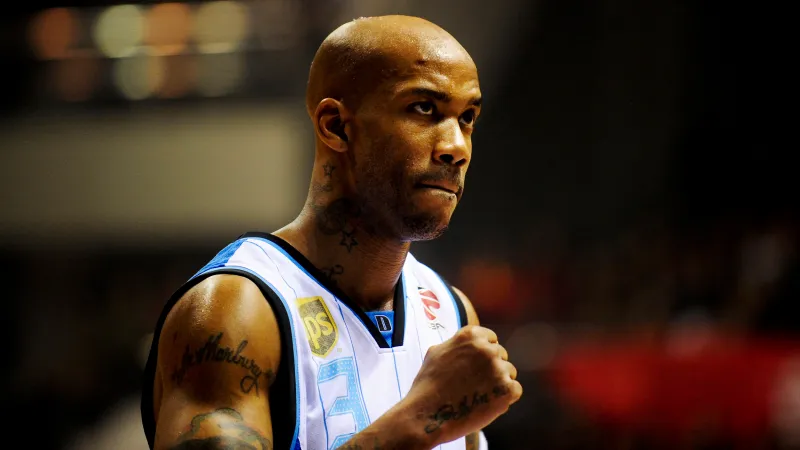
In an interview with the NY Daily News’ Kristian Winfield, Marbury didn’t shy away from the friction of his tenure. He acknowledged the turbulence, but pivoted to a truth that no beat writer can quantify: his birthright.
“I get it. I understand. Things happen. Things didn’t go well,” Marbury told Winfield. “But the purity of New York basketball is in my DNA. I was a Knicks fan before I was ever a Knick. My mom was a Knicks fan. I was a Knicks fan in the womb. I’m almost close to half a century living on this Earth being a Knicks fan.”
Marbury’s defense isn’t rooted in his career 19.3 points per game or his All-Star appearances. It is rooted in the “hardwood” perspective—a sentiment that suggests those who haven’t laced them up cannot fully grasp the weight of the jersey.
“This is why people in your industry are being replaced by former players,” Marbury continued. “What [the reporter] said doesn’t matter. It gets voided when real people who’ve been on the hardwood speak.”
For Marbury, the conversation about his “leadership” or “tenure” ignores the effort he poured into a franchise that was, at the time, structurally unstable. He recalled a conversation with a peer about the role he was often asked to play: “He said, ‘Teams bring you in when there’s a sh-t storm. You are able to weather the storm when things are going bad, and you’ll come in and just play and do what you do.’”
“I’ll put on my sneakers. I’m gonna lace them up. I’m gonna play. A lot of people have their opinion about how I played, and I can submit in the moment that I wasn’t perfect in all of what I’ve done. But I tried. I was trying, and I came ready, and I came prepared.”
Man to Man: A Call for Perspective
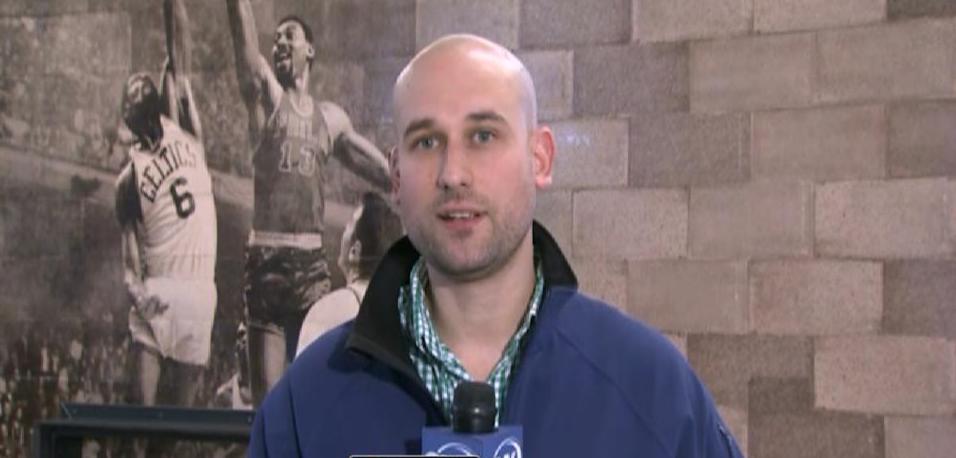
I reached Marbury by phone this morning to dig deeper into the disconnect between his current reality and the media’s memory. Now 49, Marbury sounds like a man who has found peace, yet remains fiercely protective of his narrative. He views Bondy’s critique not as a sports take, but as a failure to recognize human growth.
“I can understand that there was a feeling from that time,” Marbury told me. “But I would love to sit down man to man and ask him why do you have an issue with how I cheer? Everybody will know what the true feeling really is. I don’t think I’m being celebrated, I’m showing how I feel about my hometown team. It’s so new.”
To Marbury, the timing of the critique is particularly grating. As the Knicks finally enjoy a period of sustained success and cultural relevance, he sees the media’s insistence on dredging up the 2004–2009 era as a distraction.
“At the end of the day, I’m a real Knicks fan and if anybody is pushing something positive for the team, I’m down with that. If you’re not? I’m cool with it. I’m 49 years old, if you can’t move past someone’s 20’s, how can you move on with life? I think he failed at that one and is trying to create something for New York when we are trying to focus on winning.”
Marbury’s evolution—from the “Starbury” of the tabloids to the statesman of global basketball—is a story of redemption. He believes the media has a responsibility to acknowledge that shift.
“What’s the story? This is the new story. This is Stephon Marbury the person, not Stephon Marbury the player,” he emphasized. “Athletes have a voice and you no longer can tear people down just because of past mistakes.”
He ended our call with a pointed message regarding the “gatekeeping” of New York sports culture: “And for the record, if you were not born on New York soil and you’re writing about New York kids, make sure you keep the volume down.”
The Reporter’s Context: Why History Matters
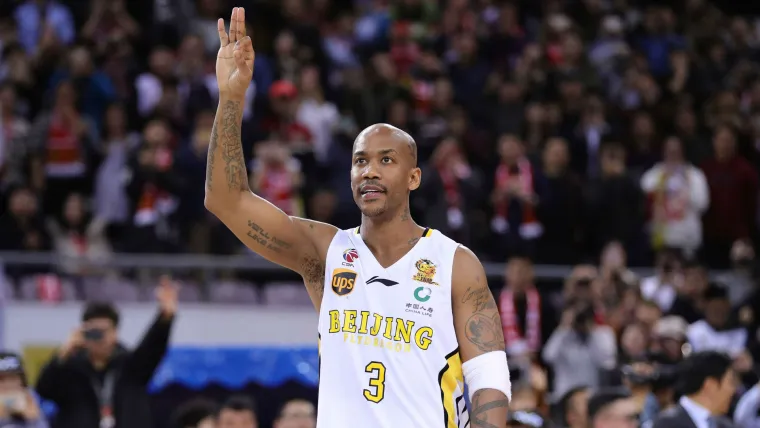
In the interest of balance, I reached out to Stefan Bondy to understand the catalyst behind a tweet that touched such a nerve within the fan base. Bondy who went to Montclair High School in Montclair, NJ but was born in The Bronx and says he lived there until he was 13 clarified that his issue isn’t with Marbury the man or the fan, but with the Knicks’ institutional framing of his legacy.
“It had nothing to do with him cheering for the Knicks,” Bondy explained. “He has all the right to cheer for the Knicks. The Knicks are celebrating him like he deserves to be mentioned in the same breath as John Starks, Walt ‘Clyde’ Frazier and Patrick Ewing.”
For Bondy, the “legend” status being conferred upon Marbury by the team’s social media and in-arena presence feels like a rewrite of a history that was often painful for the fans who lived through it.
“I remember his tenure with the Knicks on and off the court,” Bondy told me. “I had issues with his leadership. There was stuff with the Anucha Brown Sanders lawsuit that came out with him publicly. I have no issues with him as a fan, but my tweet had everything to do with the Knicks celebrating him as a New York Knicks legend.”
The Verdict
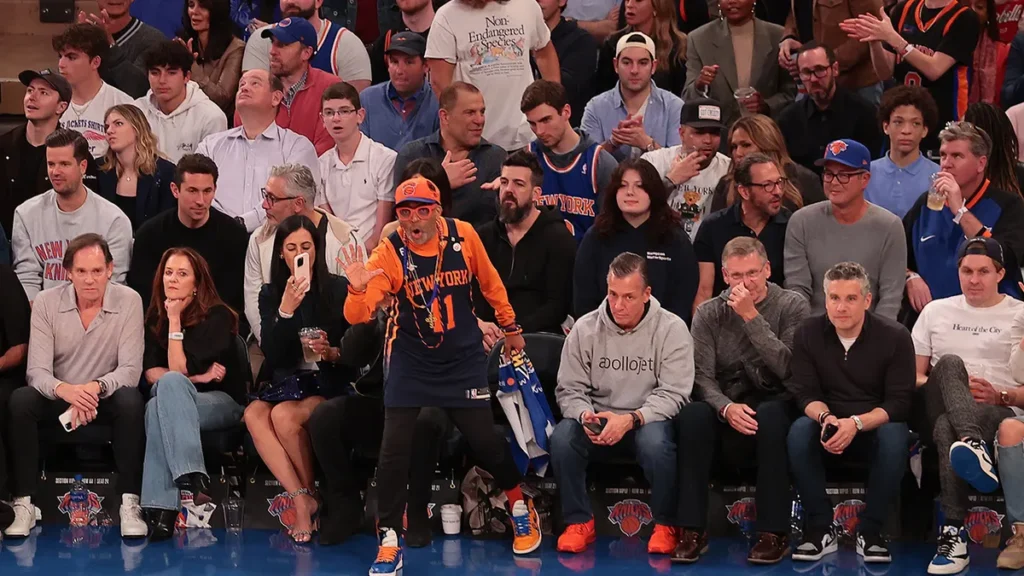
The clash between Marbury and Bondy is a microcosm of the New York sports experience. It is a collision between the statistical record (zero playoff wins) and the cultural connection (the kid from Brooklyn who grew up to wear the jersey).
Is Stephon Marbury a “Knicks Legend?” If you judge by the banners in the rafters, perhaps not.
But if you judge by the “energy” the Knicks asked for on April 20—the raw, unfiltered passion of a fan who has loved the team for nearly 50 years—Marbury is exactly where he belongs.
As Marbury noted, “the purity of New York basketball is in my DNA.” Whether the media likes it or not, that DNA is woven into the Garden floor.
How do you view Marbury’s role in the current Knicks era—as a redeemed hometown hero or a reminder of a past the team should move on from?