
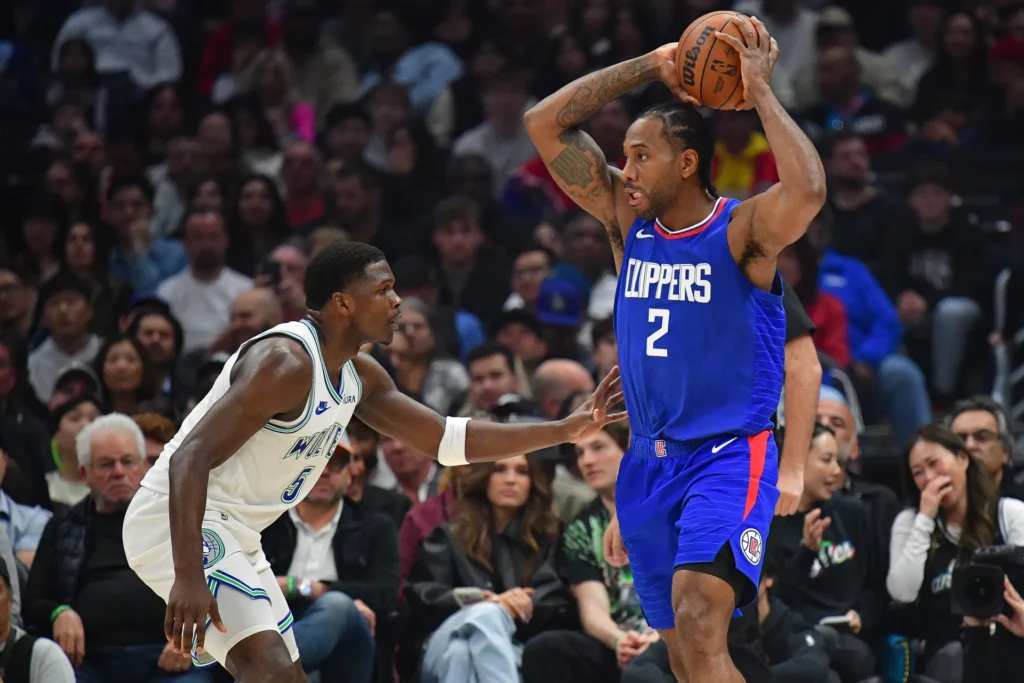
When the NBA handed down a landmark ruling against the Los Angeles Clippers for salary cap circumvention involving Kawhi Leonard, few people in the basketball world were better qualified to evaluate the penalties than Joe Smith.
Back in 2000, Smith was at the center of the league’s most infamous cap circumvention scandal with the Minnesota Timberwolves. That situation resulted in five forfeited first-round picks for Minnesota, massive fines, and the voiding of Smith’s contract.
Now, with the league levying similar hammer-down discipline against the Clippers—stripping five first-round draft picks, imposing a $30 million fine on owner Steve Ballmer, and issuing suspensions for Ballmer, President of Business Operations Gillian Zucker, and President of Basketball Operations Lawrence Frank, alongside ordering Leonard to pay $700,000 in restitution—Smith offered his perspective on how the two cases stack up.
Joe Smith Weighs In: The Scoop B Interview
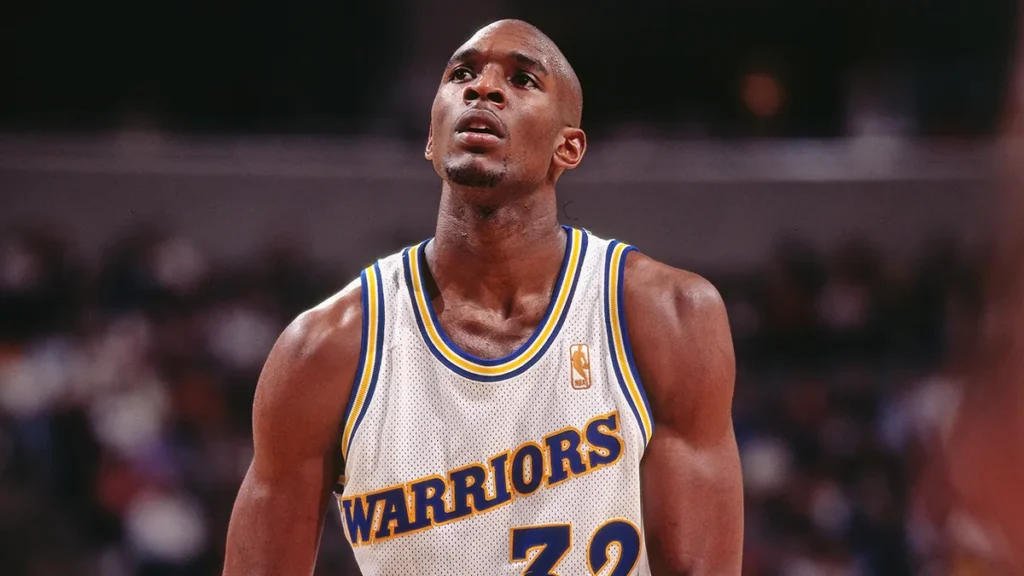
Former NBA top pick Joe Smith didn’t hold back when reacting to the league’s historic ruling against the Los Angeles Clippers and Kawhi Leonard. When pressed for his immediate thoughts on the year-long salary cap circumvention investigation—which resulted in the Clippers forfeiting five first-round picks, owner Steve Ballmer receiving a $30 million fine and suspension, and front office executives Lawrence Frank and Gillian Zucker also facing suspensions—Smith felt the resolution hit a reasonable mark.
“I can rock with that,” Joe Smith tells ScoopB.com by phone. “I can rock with that.”
Smith calls the penalties “pretty fair” given the structural fallout across the board. Drawing from his own past experience as the centerpiece of the Minnesota Timberwolves’ 2000 secret contract scandal, Smith quickly pointed out the stark differences between his outcome and Leonard’s.
While Leonard was ordered to pay $700,000 in restitution for improper benefits tied to his uncle and former business rep, Dennis Robertson, he ultimately avoided a suspension or contract avoidance.
In contrast, Smith reflected on facing much harsher personal consequences during his own situation, telling ScoopB.com:
“Mine was a little more severe because I had to face suspension or I had to go to another team and that’s why I ended up in Detroit. But I mean, I can deal with that. He has to pay a fine. I didn’t have to pay a fine, he has to pay a fine. The team is getting punished.”
Smith also highlighted a major shift in how the NBA held Leonard’s circle accountable compared to his own situation years ago. Pointing to the league’s decision to ban Dennis Robertson from all NBA business dealings, Smith expressed approval that representation was finally being held responsible.
“When I went through, my agents never got anything handed out to them,” Smith remembered. “They were still able to represent players, they were still able to do things around the league as much as they wanted to.”
Reflecting further on his own league-mandated exit, Smith noted:
“I was forced to either be suspended for a year or leave Minnesota, go play somewhere else, and if I wanted to return to Minnesota, I could. So I was faced with a couple different decisions than Kawhi is, but at the end of the day, I think that’s pretty fair.”
Even as Leonard’s pending trade to the Toronto Raptors remains temporarily paused by the league office, Smith believes the All-Star forward got off with a manageable resolution that won’t sideline his career, concluding:
“I don’t think he should miss any time. That’s a tough situation for any player to have to go through contract-wise, especially when you’re depending on other people to have your best interest at heart. It’s a tough situation for players to have to go through that, so I think it’s pretty fair.”
Comparing the Scandals: Kawhi vs. Joe Smith

Joe Smith’s reaction highlights a crucial perspective from a player who experienced the personal and professional fallout of league intervention firsthand. While both situations saw the NBA strip a franchise of five first-round draft picks, Smith noted key differences in how the individual players and their representatives were held accountable.
Regarding player consequences, Smith saw his contract voided by the league and was forced to leave Minnesota for Detroit to avoid a full-year suspension, noting, “Mine was a little more severe because I had to face suspension or I had to go to another team.” In contrast, Leonard avoids any suspension or contract termination, receiving a $700,000 restitution penalty instead.
When examining representation accountability, Smith’s agents walked away without league discipline in his case, pointing out that “my agents never got punished… they were still able to represent players.” Here, the NBA took direct action against Leonard’s former business representative, Dennis Robertson, banning him entirely from future NBA business dealings.
Furthermore, both cases triggered top-level leadership suspensions during executive fallout. While Minnesota owner Glen Taylor was suspended in 2000, the Clippers organization now faces a full sweeping suspension of its top front office—including Steve Ballmer, Gillian Zucker, and Lawrence Frank—alongside a five-year league monitoring program.
Ultimately, Smith views the NBA’s ruling on Leonard as a balanced outcome for the star forward. Having navigated a cap circumvention storm himself, Smith believes letting Leonard play without missing court time while placing heavy accountability on leadership and representation makes the punishment “pretty fair.”