
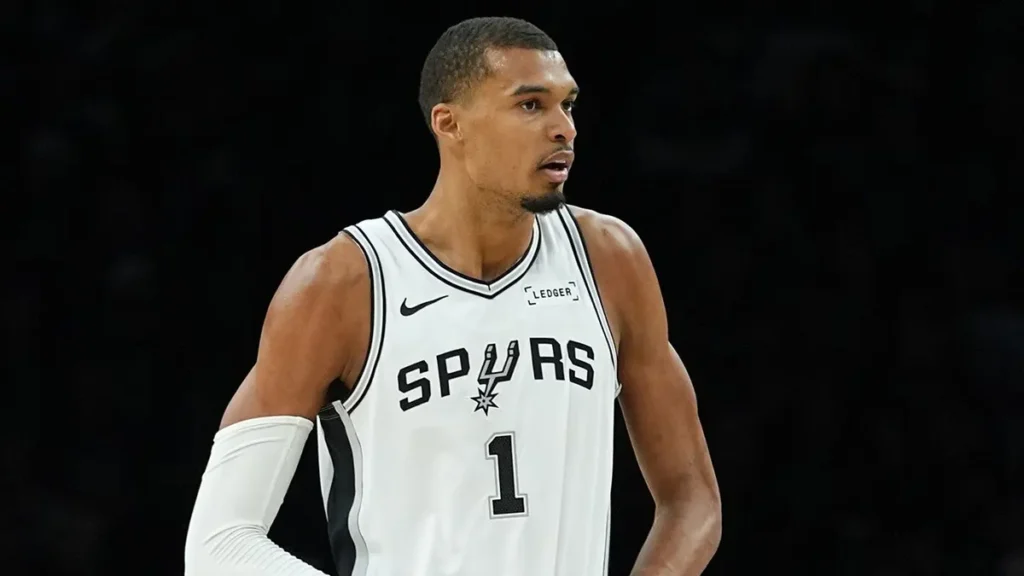
The San Antonio Spurs breathed a massive sigh of relief this morning as the NBA league office confirmed that Victor Wembanyama will face no further disciplinary action following his high-elbow contact with Timberwolves center Naz Reid.
Wembanyama is officially cleared for tonight’s pivotal Game 5 in Minneapolis, a decision that has sent shockwaves through the Twin Cities. While Timberwolves fans are crying foul over the lack of a suspension—or even a fine—the incident has reignited a decade-old conversation about intent, reputation, and the ghost of one of the most infamous elbows in playoff history. The league’s choice to keep the French phenom on the floor highlights the thin line between a “basketball play” and a “non-basketball act.”
A Tale of Two Elbows: 2026 vs. 2012
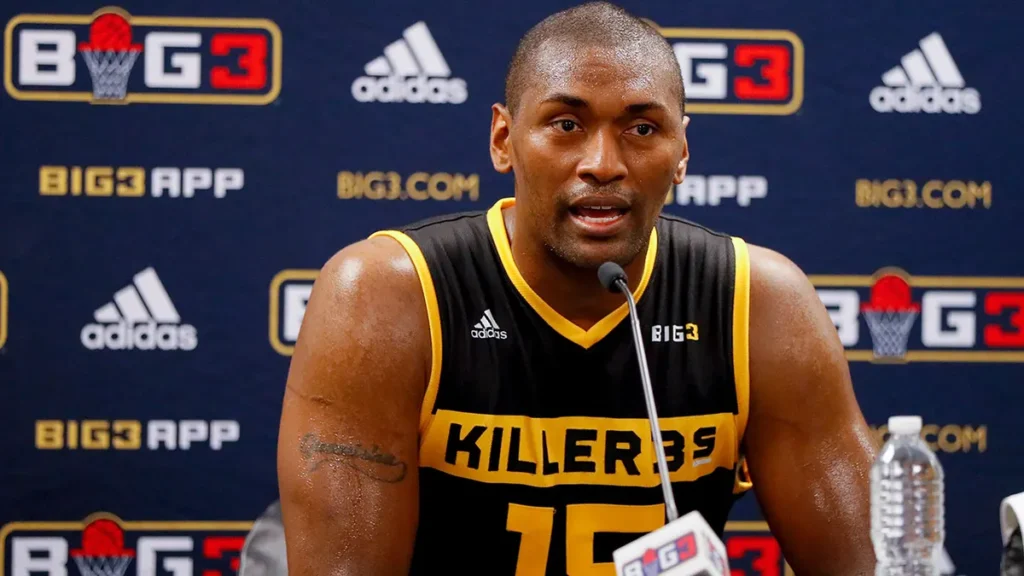
To understand the outcry, one has to look back to April 22, 2012, during a high-stakes Lakers matchup against the Oklahoma City Thunder. In a moment that remains etched in NBA lore, Metta World Peace (formerly Ron Artest) cleared out space after a thunderous dunk by swinging a ferocious, high-velocity elbow that connected squarely with James Harden’s head.
The fallout for World Peace was devastating and immediate. The NBA, determined to curb what it viewed as a violent outburst, handed down a seven-game suspension. This punishment was calculated to hurt: it covered the Lakers’ final regular-season game and the first six games of the 2012 playoffs. It effectively gutted World Peace’s postseason impact and altered the trajectory of the Lakers’ championship aspirations.
When Wembanyama caught Naz Reid with a similar—albeit less explosive—swing in Game 4 of this series, the comparisons were immediate. Fans and pundits flooded social media with side-by-side clips. However, the league’s decision to let Wemby play highlights a significant shift in how “natural basketball motions” are officiated today compared to the “enforcer” era of the early 2010s. While the result for the victim was the same—head contact—the league’s interpretation of the process has evolved.
Exclusive: Metta World Peace Weighs In
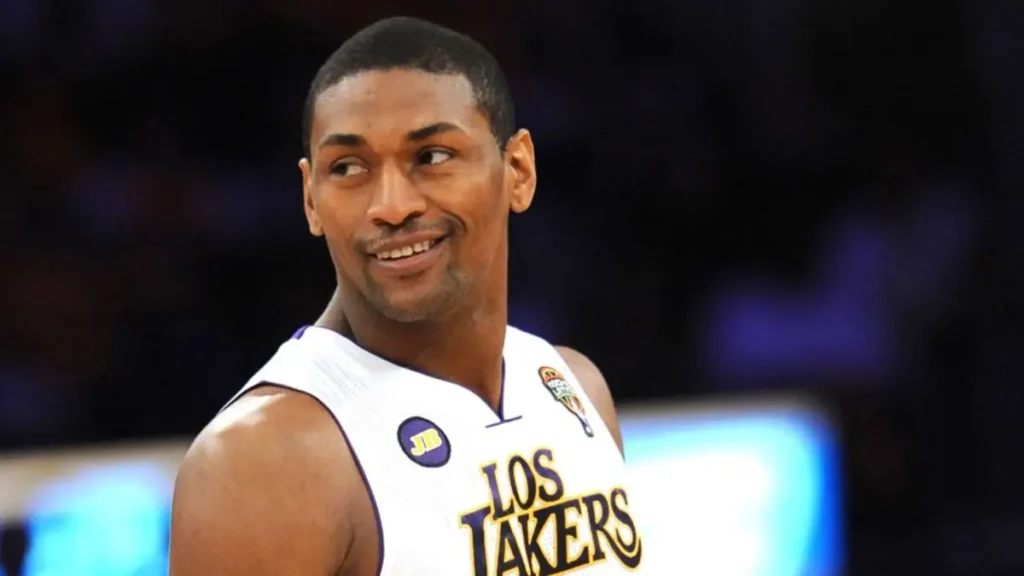
The man at the center of the 2012 storm still carries the weight of that moment, and his perspective offers a unique lens into the Wembanyama ruling. In a 2021 interview with me, World Peace maintained that the hit on Harden was never a targeted attack, but rather a byproduct of high-adrenaline movement and defensive pressure:
“It wasn’t meant for James. I didn’t even know who was behind me. I just felt someone push me; I didn’t know who it was. It was very unfortunate.”
I spoke with Metta World Peace again earlier today, and he reflected on seeing Wembanyama escape the hammer that fell so hard on him fourteen years ago. His reaction was a mix of veteran wisdom, empathy for a young star, and a touch of lingering “what-if” regarding his own career.
“I got a little bit emotional,” World Peace admitted. “Sometimes you gotta win on the court and focus on the game. I wish I could not be able to be suspended and focus on the game. But, they ejected him and gave him a flagrant 2.”
His comments reflect a modern understanding of the game: the desire to see the best players on the floor, regardless of the physical nature of the playoffs. Yet, the sting of being labeled a “villain” clearly remains.
Why Wemby Stayed in the Clear
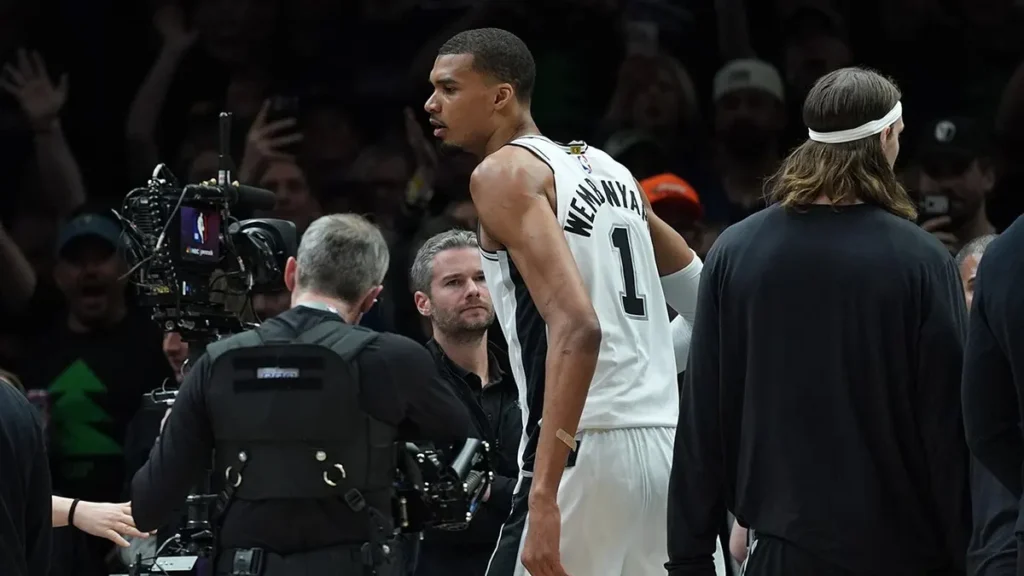
While the optics of a 7’4″ giant swinging elbows are inherently terrifying, several nuanced factors likely saved Wembanyama from the commissioner’s office.
The “Pivot” Factor
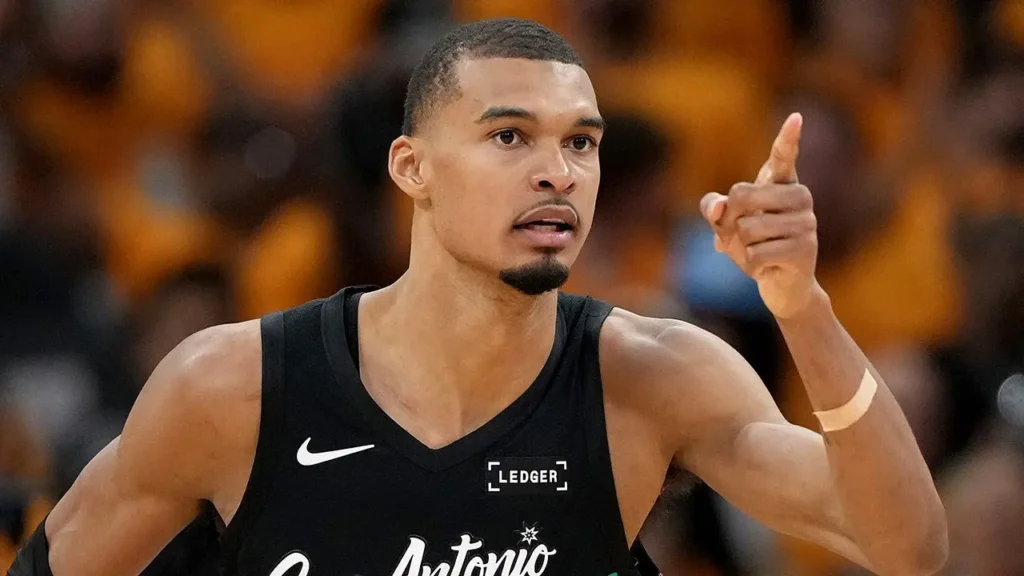
The most significant distinction lies in the timing of the contact. Unlike World Peace’s 2012 strike, which occurred during a post-dunk celebration while the ball was dead, Wembanyama’s contact happened during a live-ball basketball move. Because he was in the process of pivoting to find an outlet, the league likely viewed the contact as an incidental, albeit dangerous, part of the flow of the game. In the eyes of the officials, Wemby was playing basketball; Metta was reacting to a perceived shove.
The Weight of History
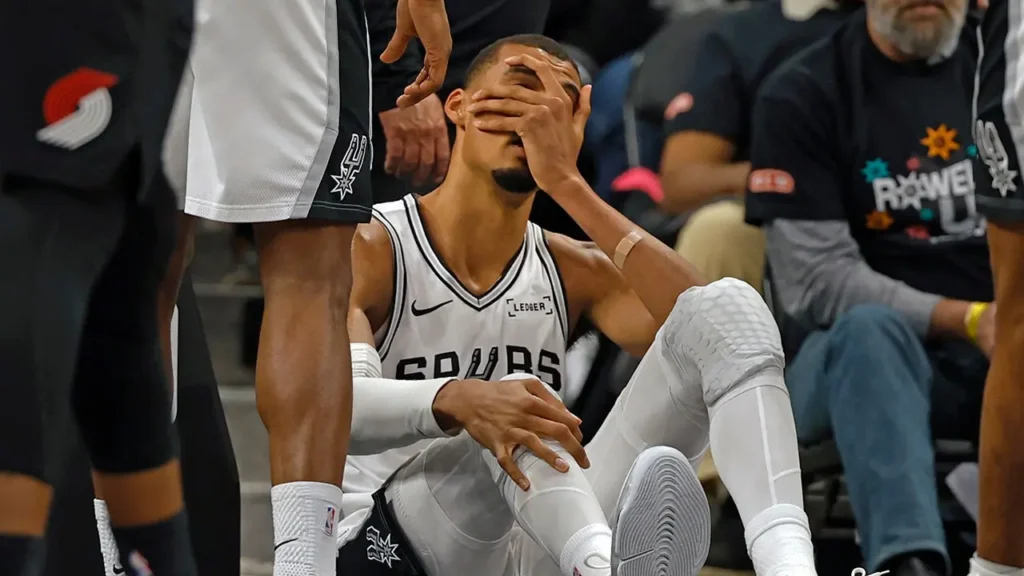
Furthermore, Wembanyama’s clean history played a massive role in the league’s leniency. Throughout his high-profile entry into the NBA, Victor has maintained a pristine disciplinary record, avoiding the technical fouls and “enforcer” antics that often trigger harsher penalties. He is viewed as a global ambassador for the sport. In contrast, Metta World Peace entered that 2012 matchup with a well-documented history of altercations—most notably the “Malice at the Palace”—which arguably left the league office with very little patience for “accidental” contact.
Protecting the Product
Finally, the immense stakes of the postseason cannot be ignored. The NBA is notoriously hesitant to suspend superstars in a tied playoff series—especially a 2-2 deadlock—unless the “malice” is undeniable. Suspending the face of the league’s future for a pivotal Game 5 requires a level of certainty that the video evidence simply didn’t provide. By allowing Wemby to play, the league prioritized the competitive integrity of the series over a punitive message, ensuring that the outcome of Game 5 is decided by the players on the court, not the executives in New York.