
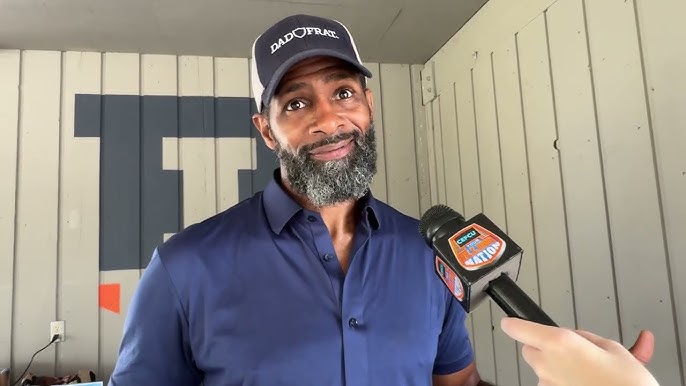
Editor’s Note: This exclusive interview marks the highly anticipated debut of The Pull Up With Scoop B, which officially launched today, Monday, May 18, 2026, featuring NBA veteran and boxing analyst Kendall Gill as the premier guest.
Watch the full episode by clicking here!
In the landscape of modern sports culture, few individuals possess a vantage point as panoramic as Kendall Gill. A native of Chicago’s South Side, Gill navigated the fierce battlegrounds of the Big Ten with the legendary 1989 “Flying Illini” before launching into a highly decorated 15-year NBA career. Known as a relentless defender, dynamic scorer, and a foundational piece for iconic franchises like the Charlotte Hornets, Seattle SuperSonics, and New Jersey Nets, Gill’s competitive fire didn’t extinguish when he checked out of his final basketball game. Instead, he channeled that raw discipline directly into professional prize rings, while simultaneously carving out a permanent, highly respected voice in the sports media landscape.
Sitting down for an unfiltered conversation, Gill brings the rare perspective of a veteran athlete who has completely mastered both sides of the microphone. In an era where tension between players and analysts often reaches a boiling point, he speaks candidly about his own evolution from a young, defensive player who took criticism to heart, to an analyst who understands the exact mechanics of public accountability. This dialogue unearths a rich archive of basketball history, sweeping from the precise moment Michael Jordan personally selected him for the genesis of the Jordan Brand, to the internal fractures that derailed some of the most talented rosters of the 1990s.
What follows is an extensive, deeply personal dialogue from this historic premiere episode that goes far beyond simple nostalgia. Gill strips away the polished veneer of professional sports to dissect his career regrets, the demanding psychological architecture of playing under coaches like Pat Riley and George Karl, and the dangerous reality of transitioning into combat sports. It is a masterclass in longevity, demonstrating how a singular, uncompromising work ethic forged on an 8-year-old’s baseball diamond can carry a man seamlessly across multiple distinct professional lifetimes.
Navigating the Evolution of the Sports Media Space
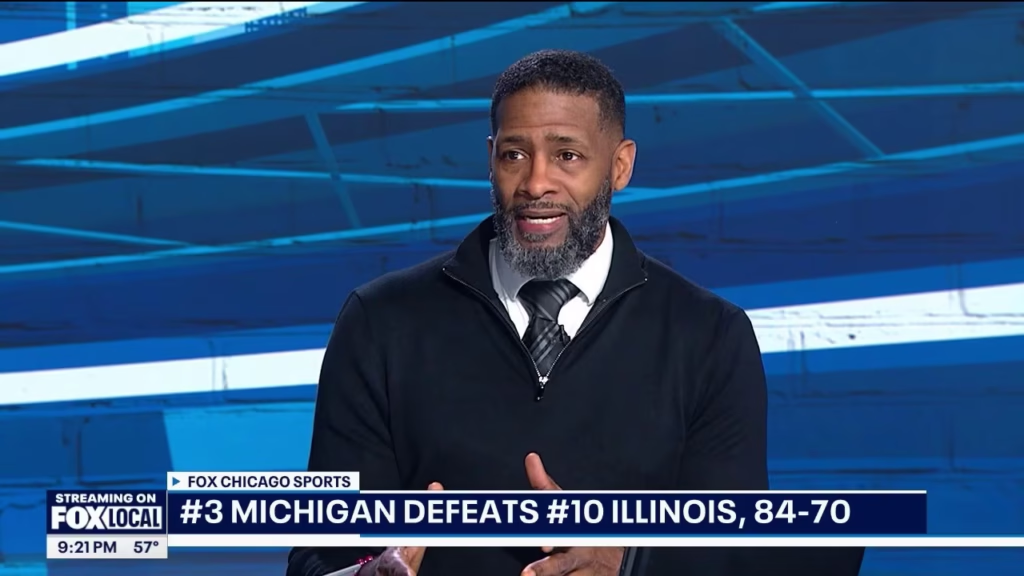
The relationship between professional athletes and the reporters who cover them has always been precarious, often fueled by defensive pride and public misinterpretations. For a young player baseline-focused on survival in the league, a single negative headline can feel like a personal indictment. Years later, sitting on the opposite side of the camera provides a stark lesson in journalistic perspective, structural accountability, and the rare humility required to publicly say, “I got it wrong.”
Brandon “Scoop B” Robinson: You are now in the media space. What has that transition been like for you, especially coming from the perspective of a former player?
Kendall Gill: I am and I didn’t understand the media space when I was playing, you know? At times when a reporter or analyst said something negative about me, I would take it personally but being on this side, I understand that you can’t take it personally. They’re just giving their viewpoints of what they see. Even though they may be wrong — and I’ve been wrong as an analyst and I’ve actually have had to apologize to some of the players saying to them, Look. I got it wrong. I was once a player and I know how that makes you feel, your family feels, your friends and all that if someone says something about you that’s inaccurate… So I had to come to terms with that as a media person.
The Urge to Confront Inaccurate Reporting
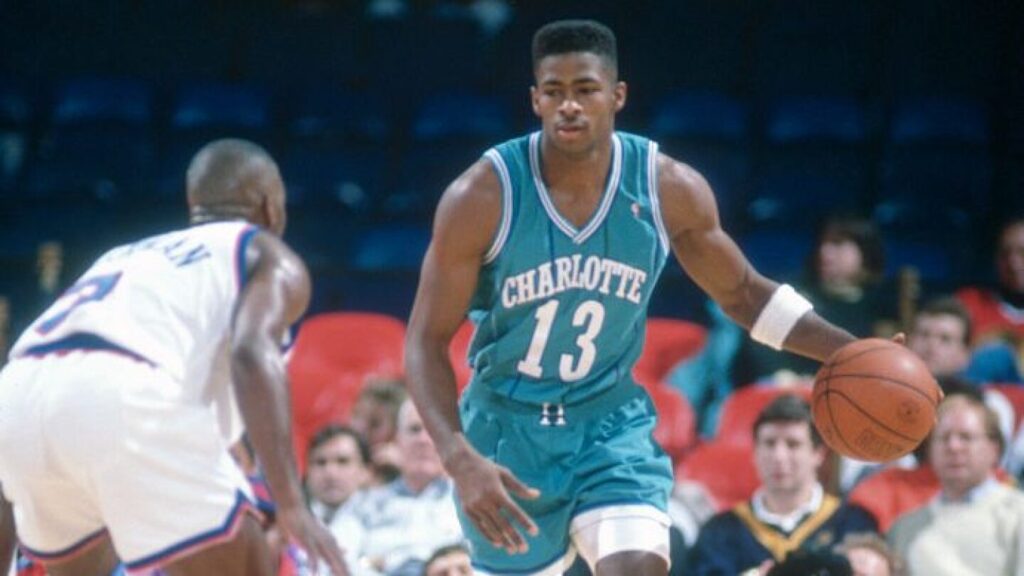
When the rumors of free agency begin to swirl, the noise surrounding an athlete intensifies to a deafening pitch. For Kendall Gill, a television report during a pivotal career summer in Charlotte crossed the line from standard basketball speculation into an attack on his character. Looking back, the veteran analyst recognizes the hotheadedness of youth and outlines the exact tactical restraint a young star must exercise when the media targets them.
Brandon “Scoop B” Robinson: Was there ever a time during your playing career when a reporter or journalist said something about you that made you mad, or where you felt you had to confront them?
Kendall Gill: I was in Charlotte; my third year in Charlotte and I was going through free agency and everybody was wondering if I was going to re-sign with Charlotte or go and explore with free agency. I forget his name but he was a television reporter and he said something that was really negative about me and said something that was not a part of my personality or anything like that and I confronted him about it and really as a player, you shouldn’t do that. You gotta let it go in one ear and out the other. You gotta play the game. See, back then I didn’t know how to play the game back then as a young NBA player, you know? If I had to do it all over again, I wouldn’t say anything. I would do everything with my play.
The Foster Park Blueprint for Long-Term Success
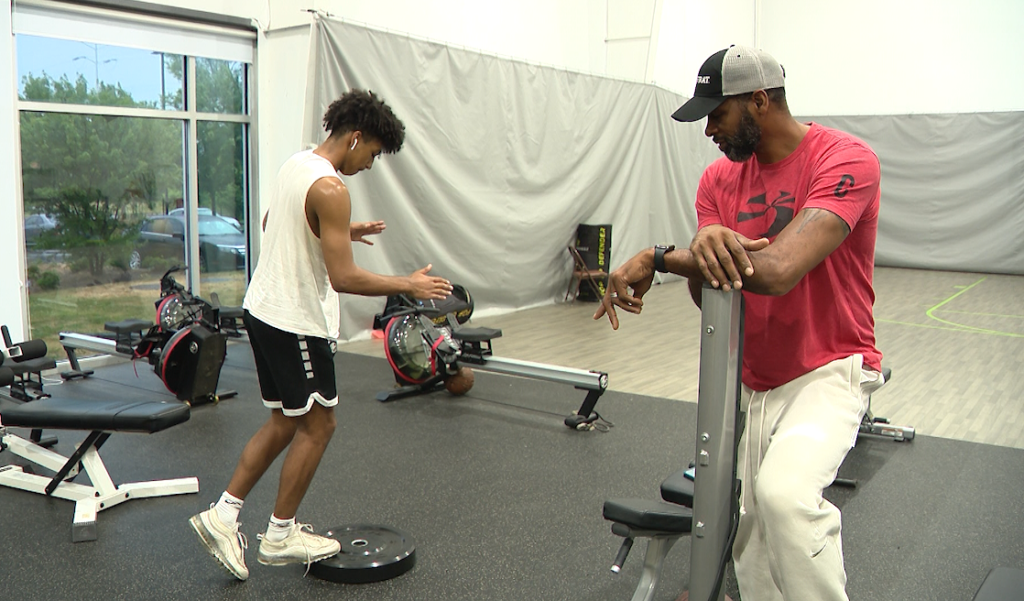
True competitive dominance is rarely birthed from raw talent alone; it is meticulously constructed in the shadows by an individual’s willingness to outwork the field. Long before stepping onto a Big Ten campus or an NBA hardwood, a devastating rejection on a South Side baseball diamond served as a definitive turning point. That tearful drive home sparked a lifetime psychological methodology that remains completely unchanged to this day.
Brandon “Scoop B” Robinson: When did you know, whether it was back in high school or going into college, that you were flat-out better than everyone else around you?
Kendall Gill: I knew even when I was a little kid because it wasn’t about my talent, it was about my work ethic and there were a lot of kids that were more talented than me, but my work ethic was better than theirs and I knew eventually if I put in the work in whatever I decided to do, I was eventually going to catch you and then pass you and that’s what happened when I was in little league. As a little kid I remember that I was 8-years old here at Foster Park on the South Side of Chicago. I got cut from the Little League team because I was not of age, you know? And I can remember going home and crying to my mom and everything like that and she said, “Don’t worry, you’ll make the team next year because you’ll be of age…” And I worked on my game so much as a baseball player and when I came back, I was the best player on the team the following year; and I kept that same methodology with me throughout my whole life, you know? Whether it be me being a student or basketball player, now an analyst in the NBA, a boxer… my methodology I carry it with me.
The Cultural Swagger and Style of the “Flying Illini”
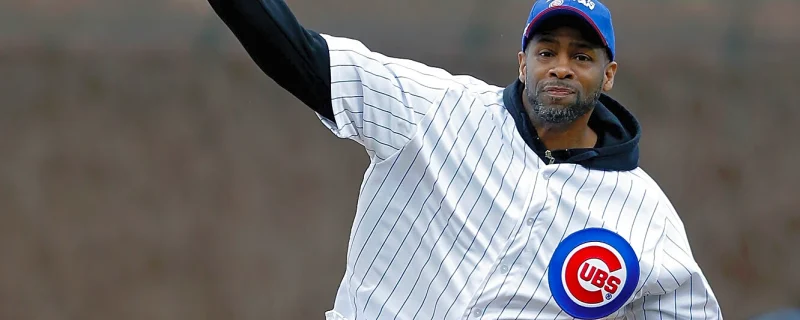
The 1989 University of Illinois roster remains etched in basketball lore as one of the most culturally influential and electrifying squads to ever take the court. Built exclusively with homegrown talent from the boundaries of the state, the team seamlessly blended high-profile national stars with gritty Chicago prospects. Beyond their relentless transition play, they quietly introduced a distinct brand of fashion and swagger that would forever redefine the aesthetic of the modern game.
Brandon “Scoop B” Robinson: What was it like playing for the University of Illinois during that unforgettable era?
Kendall Gill: [smiling] Awww man, it was great, man! That team in 1989 the Flying Illini and a lot of people don’t know this but all the players, even the walk-ons were from the state of Illinois. So we had NOBODY from out of state to make up that team and we were truly a state team because all of us were homegrown and we had McDonald’s All-Americans on that team; Nick Anderson, Marcus Liberty, Lowell Hamilton, Kenny Battle… and then we had the Harold’s Chicken All-Americans like me [laughing]… so the thing is, the Harold’s Chicken All-Americans Steve Bardo, Larry Smith, Irving Small… all those guys we still had the work ethic and eventually we caught up with the level of the McDonald’s All-Americans on our team, so eventually we all became one and that team was so special that Dick Vitale gave us the nickname “Flying Illini” when we played University of Florida on national television and it stuck with us and we just had a brand of style of basketball that we all were 6’5” and 6’8”, interchangeable parts we played an exciting brand of basketball and Jalen Rose once said, The Fab 5 brought in the baggy shorts… nope. The Flying Illini did and if you look back on that interview, you’ll see Jalen Rose say that [laughs]. We had style, we had flair; we had the Chicago swagger because most of us were from Chicago so, it was a SPECIAL team.
Assessing the Modern Era of Fighting Illini Basketball
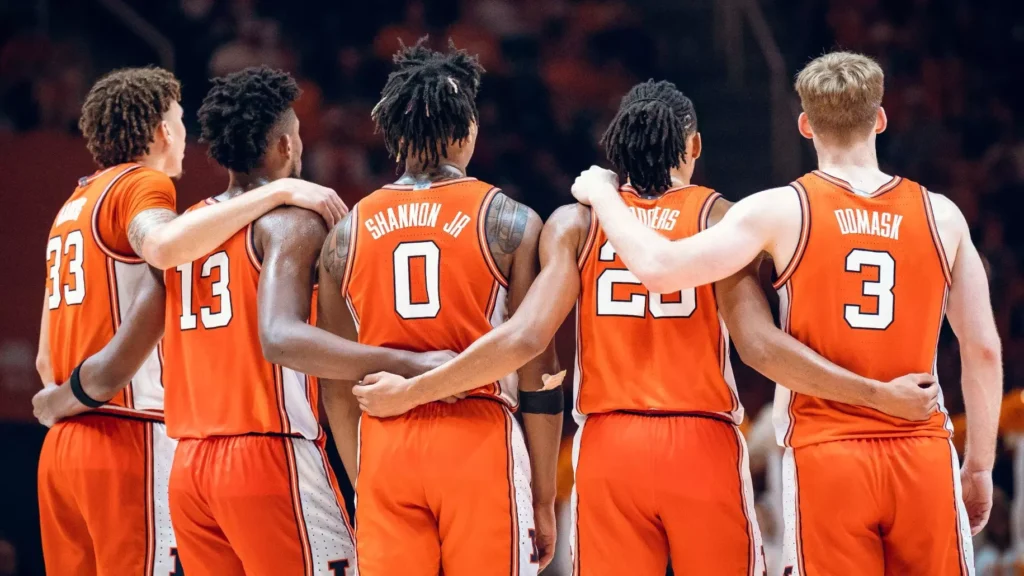
Restoring a historic basketball powerhouse to national prominence requires a delicate balance of local recruitment and tactical vision. After a decades-long drought in the legendary Chicago-to-Champaign pipeline, the program has successfully weaponized the transfer portal and the international market to climb back into the top tier. However, maintaining that elite standing requires a crucial realization about the structural anatomy of a true championship contender.
Brandon “Scoop B” Robinson: The University of Illinois has become much more recognizable and visible over the last couple of years. What are your thoughts on where the program stands right now?
Kendall Gill: Well Brad Underwood has done a great job in putting the program back on the map. It started when he got Ayo Dosunmu who now plays for the Chicago Bulls because once Jimmy Collins when he left, who was the assistant coach who recruited all of us down to the University of Illinois, we had a pipeline, you know? Everything that was in Chicago that was good, you at least took a look at University of Illinois and nine times out of ten, you went there. But that pipeline stopped after Coach Collins was no longer there. So when Brad came back, they were able to reestablish with Ayo Dosunmu coming to the University of Illinois then the program got back on the map again and its wheels spinning again — Terrance Shannon who of course plays for the Minnesota Timberwolves went there as a transfer from leaving Texas Tech and we got back to the Final Eight with him but now there’s been sort of a shift and now Brad is more so looking at older European players and if you look at the University of Illinois team now, you have so many — I think that everybody’s name ends in ‘Evisavic or this Vic… Peja Stojakovic’s son [Andrej] who’s dad I played a multiple time All-Star with the University of Illinois and Brad has… and now just yesterday we are now just yesterday we got ranked 13th in the country but eventually, you still gotta come back home to Chicago and get the kids out of Chicago to be program kids and two, continue to build your legacy. As much as I like skilled high IQ basketball players, you’ll eventually need some skilled high IQ elite athletes on your team, you know? And that’s the one thing I think that separates our program right now from the UConns, from the Alabamas and teams like that. So, once we get that we’ll be ready to roll.
The Call That Placed Kendall Gill in Jordan’s Inner Circle
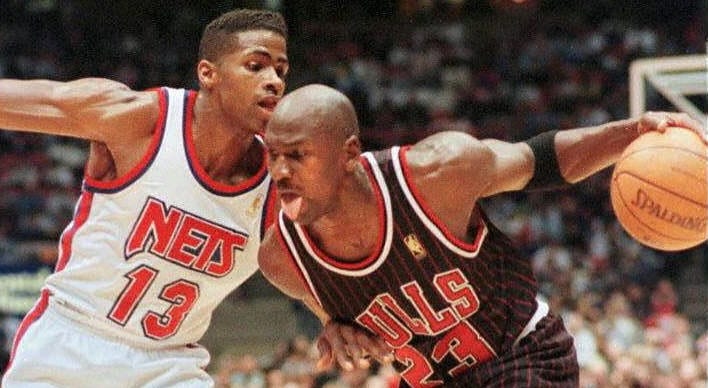
Before it evolved into a multi-billion-dollar global empire that completely dominated sneaker culture, Jordan Brand was simply a visionary concept in the mind of a newly retired Michael Jordan. Hand-picking a select circle of elite perimeter stars to champion his lineage, Jordan forever altered the sneaker landscape.
For Gill, receiving that direct phone call was an unforgettable professional milestone that came with unprecedented baseline stability.
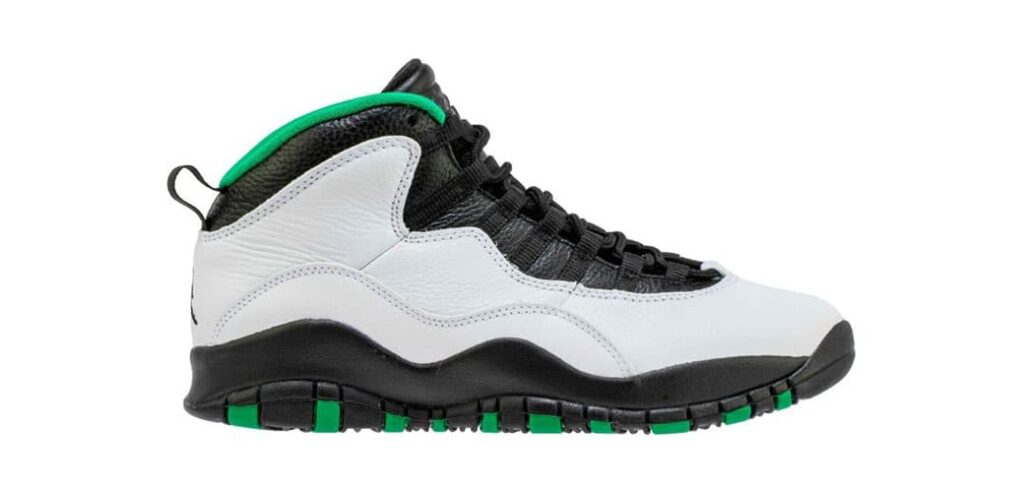
Brandon “Scoop B” Robinson: You were wearing your own PE Jordan IX on the court before Jordan Brand officially became the massive entity it is today. What type of conversation did you have with MJ to facilitate that shoe?
Kendall Gill: It was a conversation. MJ retired and he called a select few players and said, “Listen. This is what I want to do. I want you to wear my shoes and I want to put other guys in it as well…” I don’t know how many of us it was but, I was thankful to be chosen by MJ to wear his shoes, you know? That was the beginning of the Jordan Brand and we had the Jordan IX which was probably one of the better shoes that I’ve worn because of the stability and then after that the Jordan X came out a year afterwards and I was just honored to have MJ just to pick up the phone and call me.
The Reality of $10,000 Nike Allotments in Portland
Signing a premier endorsement contract with Nike came with access to a level of athletic excess that most people can only dream of. Beyond the continuous stream of sneaker shipments arriving directly at the arena, players were routinely flown out to the mother ship in Oregon for massive shopping sprees. The sheer volume of merchandise was enough to push a young athlete to the absolute brink of retail exhaustion.
Brandon “Scoop B” Robinson: What was it actually like when those packages and legendary gear allotments started showing up?
Kendall Gill: Well first of all, you get all your shoes sent to the arena and the equipment man would take care of all of that but then you got a box of maybe 10 to 12 pairs of shoes and then gear as well but, where you got most of your gear was in Portland, Oregon because that’s where Nike Outlet is and they would bring you in and you had a clothing allotment where you would go shopping and everything, and that’s where you got most of everything, you know? So I’ve spent — and you’d be surprised that when they gave me a $10,000 allotment, you get TIRED of shopping and you STILL have money left on it! You got money for all your cousins, your brothers, your sisters, your mom, your dad and you STILL have money left over so, that was the fun thing about being signed with Nike.
Re-Evaluating the 63-Win Seattle SuperSonics and George Karl
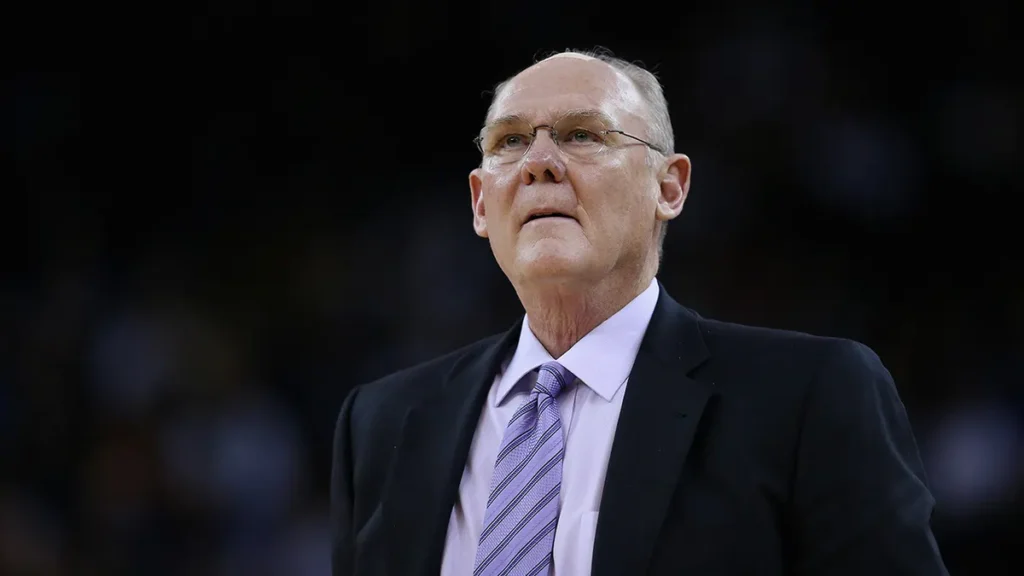
The 1993-94 Seattle SuperSonics were a basketball juggernaut, loaded with explosive talent like Gary Payton and Shawn Kemp, tearing through the regular season to secure 63 victories. Yet, that historic run is permanently overshadowed by an opening-round postseason collapse that shocked the sports world. Decades later, Gill directly addresses the deeply fractured relationship with head coach George Karl that ultimately compromised the team’s championship ceiling.
Brandon “Scoop B” Robinson: What was your time like in Seattle playing with that incredibly explosive SuperSonics team?
Kendall Gill: My time in Seattle was bittersweet, you know? I did NOT get along with George Karl but I loved my teammates. I loved playing with them, you know? We won 63 games the first year that I was there and we were the first number #1 seed to get beat by a number #8 seed who were the Denver Nuggets — you remember seeing Dikembe Mutombo (RIP) holding the ball over his head on the floor? So during my time there I loved playing with Gary Payton; loved playing with Detlef Schrempf and Shawn Kemp, Michael Cage and Ricky Pierce… all those guys, we had a whip, ok? I thought we were going to win the NBA Championship the first year that I was there, but unfortunately we got beat by Denver and then the next year we played the Lakers in the playoffs and got eliminated. But my time with [Coach] Karl was bad. We all know now from the stories about George Karl that what type of dude he is, you know? I’m not gonna hold my tongue about him, I mean… I don’t like the guy even STILL to this day but I was sort of the first one that went through those ups and downs with him and it was documented that I was the problem but now you look at Carmelo Anthony and Kenyon Martin and you look at Ray Allen — all the problems that this guy has had with all these players. Sooner or later you gotta look in the mirror and be like, Maybe it’s ME.
Decoding George Karl’s History of Interpersonal Conflict
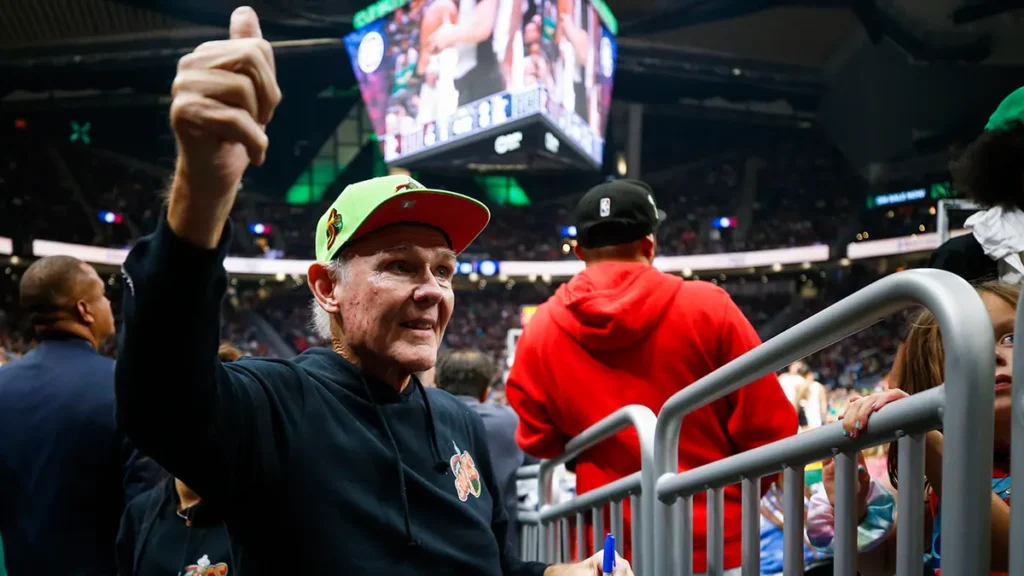
George Karl’s offensive systems were undeniably brilliant, providing an elite blueprint for modern, fast-paced basketball. However, a persistent pattern of high-profile feuds with franchise stars from Seattle to Denver suggests a coach who frequently got in his own way. Analyzing the psychological friction that mirrored later explosive disputes with Hall of Famers, Gill highlights a baffling necessity for calculated controversy.
Brandon “Scoop B” Robinson: What was it exactly, in regards to his approach, that continually rubbed prominent players the wrong way?
Kendall Gill: You know, still to this day I do not understand why he was like he was. I mean, it seemed like every year he had to have a guy that he didn’t get along with, you know? And he’s a phenomenal coach. If I were a coach, I would use a lot of what he used when I was playing for him because I believed in his system but I think that he got in his own way all the time as being one of the greatest coaches of all time he could’ve been, you know? But because of the need to have a controversy with one of his players, he missed that opportunity, you know? Because his system is one of the best that I ever played in but, he just got on his own way and I can tell that with Carmelo, I could tell that with Kenyon and Ray. I could tell it myself and with Chris Washburn back when he was with the Golden State Warriors, you know? If a guy has a pattern with problems with players, then you KNOW it’s not the players.
Walking Away From the Peak Charlotte Hornets Era
The early 1990s Charlotte Hornets were a genuine cultural phenomenon, capturing the imagination of sports fans with their iconic teal pinstripe jerseys and an electrifying core of young talent. Alongside Alonzo Mourning and Larry Johnson, Gill helped build a small-market monster that threatened the Eastern Conference elite. Decades removed from his departure, he reflects on the naive free-agency decision that remains one of the single greatest regrets of his career.
Brandon “Scoop B” Robinson: What was it like playing with the Charlotte Hornets in the team’s absolute early days when the culture was exploding?
Kendall Gill: I got two regrets in my career: One was leaving the Charlotte Hornets as a free agent after my third year when we had Alonzo Mourning, myself, Larry Johnson, Mugsy Bouges, Dell Curry and all those guys. We had just beaten the Boston Celtics in the first round and we took the New York Knicks to five games in the second round and we were young but, me not understanding what we had, I decided to test free agency. If I had to do it all over again, I would’ve signed and stayed with the Charlotte Hornets because that’s where I should’ve been. Everybody loved our colors and you mentioned the teal jerseys and they were designed by some French designer or something like that with the pinstripes and they were beautiful colors and that’s why everyone wore our Starter jackets and most kids had the Charlotte Hornets jerseys — I still have down there in my man cave my Charlotte Hornets jerseys and they’re framed up on the wall the teal, the purple and the white and that team… we had Grandmama who was full of personality; we had Alonzo Mourning, we had Mugsy Bogues and so even though it was a small market team, it was one of the most popular teams in the league aside from MJ and Shaq being in Orlando and then L.A. , and then us. So if I had to do it all over again, NO WAY would I have ever left Charlotte.
The Highs and Lows of the New Jersey Nets Transition
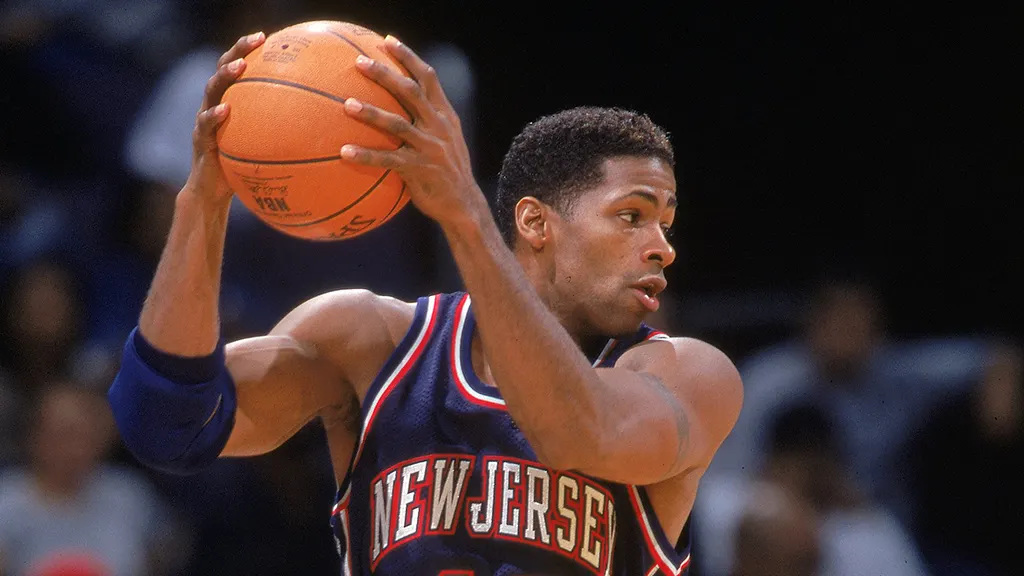
Stepping into the New Jersey Nets organization meant confronting a losing culture head-on, marked by mid-season injuries and front-office tanking strategies that left healthy competitors stranded on the sideline. Yet, that initial hardship cleared the path for a statistical prime and a dramatic roster overhaul. Gill details the exact moment the franchise flipped the script, culminating in a cutthroat, final-game showdown against a prideful Detroit Pistons team.
Brandon “Scoop B” Robinson: What was that initial year like when you transitioned to the New Jersey Nets?
Kendall Gill: Well, the first year was…. it was difficult because we were losing, you know? And I came in the previous year before John Calipari came in under Butch Beard and I love Butch Beard and I thought we had a great opportunity to make the playoffs that year that I came because it was halfway through the season and they had Chris Childs, PJ Brown and Armen Gilliam and all those guys and I broke my hand. We were rolling and I broke my hand on Reggie Miller’s elbow. Then I was out and we started losing and I tried to come back and I remember this — so I come back and I’m out on the court shooting, right? And I’m thinking that I’m okay and I’m going to play today. Willis Reed comes out on the court and he goes, “Kendall, what are you doing?” and I’m like, ‘I’m warming up getting ready for the game.’ and he said, “No no. We’re going for a draft pick. Put your clothes back on!” So I had to go and that was the end of my season that year because they wanted to get the draft pick.
So fast forward John Calipari gets the job and we draft Kerry Kittles and we struggle that season and even though we’re struggling, I’m having the best season of my career. I’m averaging 20-something a game and just statistically I’m having an All-Star year but it was tough because we were losing so not only did I want to do well individually but, I wanted to win as well, you know because I was 27 years old and I was in my prime and I didn’t want to waste those years but eventually the following year it changed because we drafted Keith Van Horn, we get Chris Gatling, we get Sam Cassell and all those guys so now we got some players that can really put it together and the following year and after that we go into the last game of the season we played the Detroit Pistons so before the game, I forget who the coach was but, the coach wrote on the board, because Detroit had already been eliminated and the coach wrote on the board: WE AIN’T GOIN’ THEY AIN’T GOIN’! Because we needed that game to win in order to get to the playoffs to play the Bulls — this was the Grant Hill, Lindsey Hunter, Bison Dele… all those guys on the Pistons, they knew we had to win this game in order to get into the playoffs and believe me, they were playing hard. It was the last game of the season and they wanted to win. So they come in and tell us what they wrote about us on their board and at that time I had sort of given up some of my scoring to make the team better which worked but, in that particular game I was like, Nah. I’m going back to being myself.
Inside the Hotel Room Where the Nets Almost Drafted Kobe Bryant
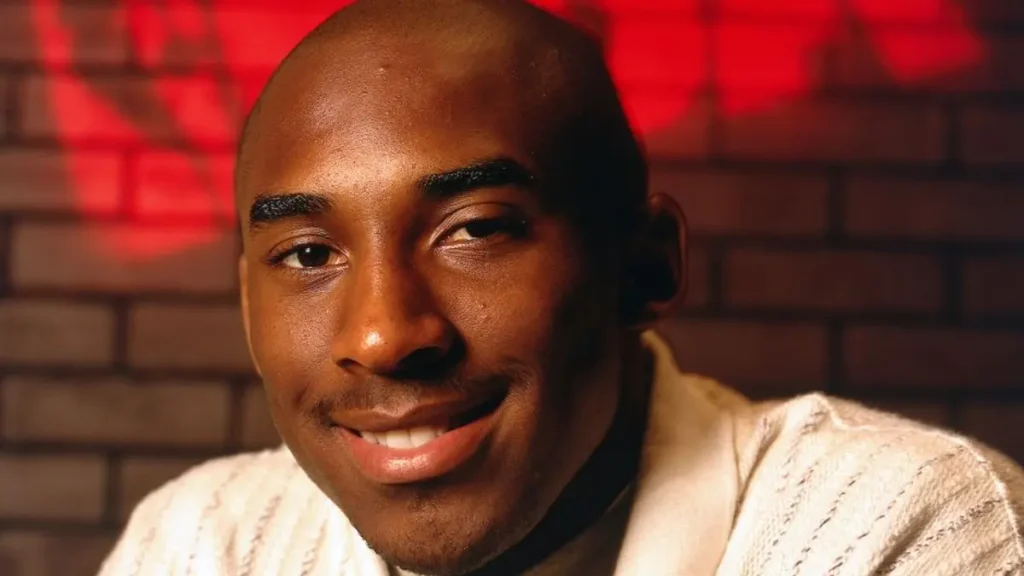
The 1996 NBA Draft altered the trajectory of basketball history forever, anchored by the legendary rise of an eighteen-year-old Kobe Bryant. Sitting directly in the hotel room with powerhouse agent Arn Tellem, Gill witnessed the high-stakes chess match that unfolded behind closed doors. He reveals the explosive threats, front-office panic, and the secret deal that nearly derailed the Los Angeles Lakers’ championship master plan.
Brandon “Scoop B” Robinson: Take me behind the scenes of that legendary 1996 NBA Draft. What was the internal conversation regarding the chatter to get Kobe Bryant (RIP)?
Kendall Gill: I was right there when they were thinking about drafting Kobe. I’m represented by Arn Tellem as well and Kobe was represented by Arn. We’re in the hotel room Secaucus [New Jersey] where the draft was going on, so Arn is on the phone with John Calipari and he’s saying, “Look. We’re going to take Kobe at the 7th pick…” and Arn is like, “I swear to God if you mf’ers take Kobe Bryant at 7 we are going to go over to Europe and he will NEVER play for you. I swear to God you better not f—ing take him!” So I’m just sitting there and I’m right there looking at all of this and watching the draft with Arn at the same time and [John] was like, “I know how you feel but we STILL think that we’re gonna take him…” The pick comes up and… The New Jersey Nets select Kerry Kittles from Villanova University, right? Because Arn had already had a trade set up with the Charlotte Hornets to trade Vlade Divac for Kobe Bryant for the pick. The Lakers dead set wanted Kobe and the New Jersey Nets were about to mess it up and Arn was just going ballistic in the hotel room. This was documented in his book so I’m not saying anything that’s not true or what nobody already knows. John Calipari comes out after the draft is over and comes to the press conference and says, “Hey listen, Kerry was the guy we wanted all along…” [laughing] and Kerry was great; Kerry turned out to be great and a great player for the franchise, BUT… that’s not what the New Jersey Nets wanted to do at that time.
The Reality of Kerry Kittles’ Elite Rookie Impact
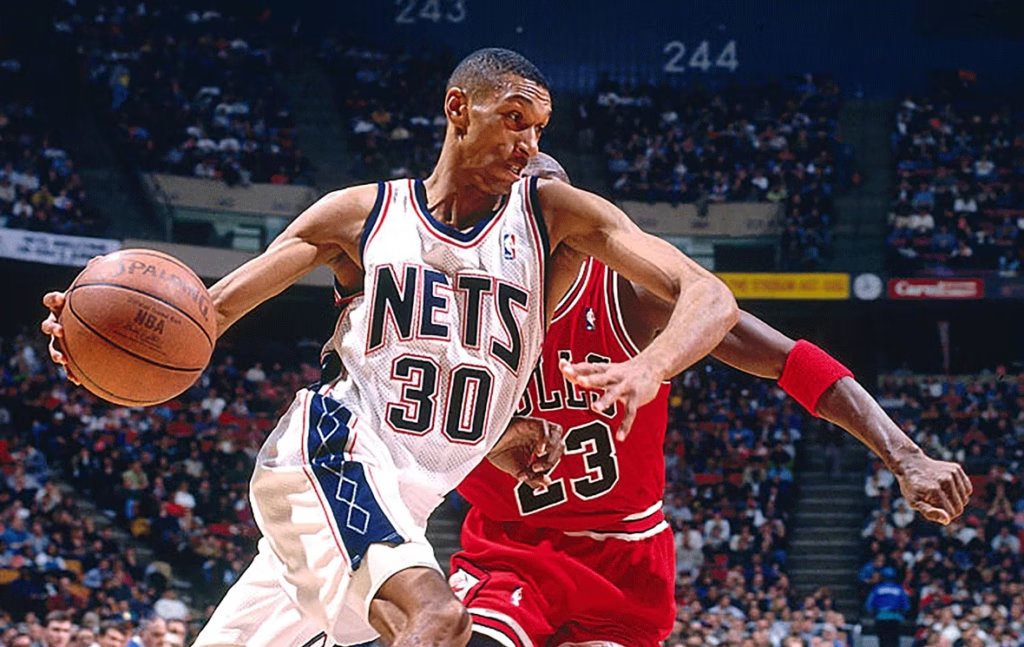
While history focuses entirely on the legendary trajectory that Bryant eventually achieved, the immediate aftermath of the 1996 Draft inside the Nets facility was far from somber. Kerry Kittles arrived from Villanova and instantly validated the front office’s pick with an elite rookie campaign. Gill breaks down the locker room’s perspective on the selection, highlighting how Kittles outpaced expectations out of the gate.
Brandon “Scoop B” Robinson: After that chaos settled down, was there any remaining conversation about getting Kobe amongst the active players on the roster?
Kendall Gill: There was nothing said after that and they took the pick and Kerry honestly turned out to be actually better than advertised. Kerry came in his rookie year and had a great rookie year and he made the All-Rookie Team so, they were happy with the pick after they had done it and actually Kerry had a better rookie year than Kobe did at the time, you know? So but you know we all know how Kobe turned out.
The 1998 SLAM Cover and the Unavoidable Chicago Bulls Wall
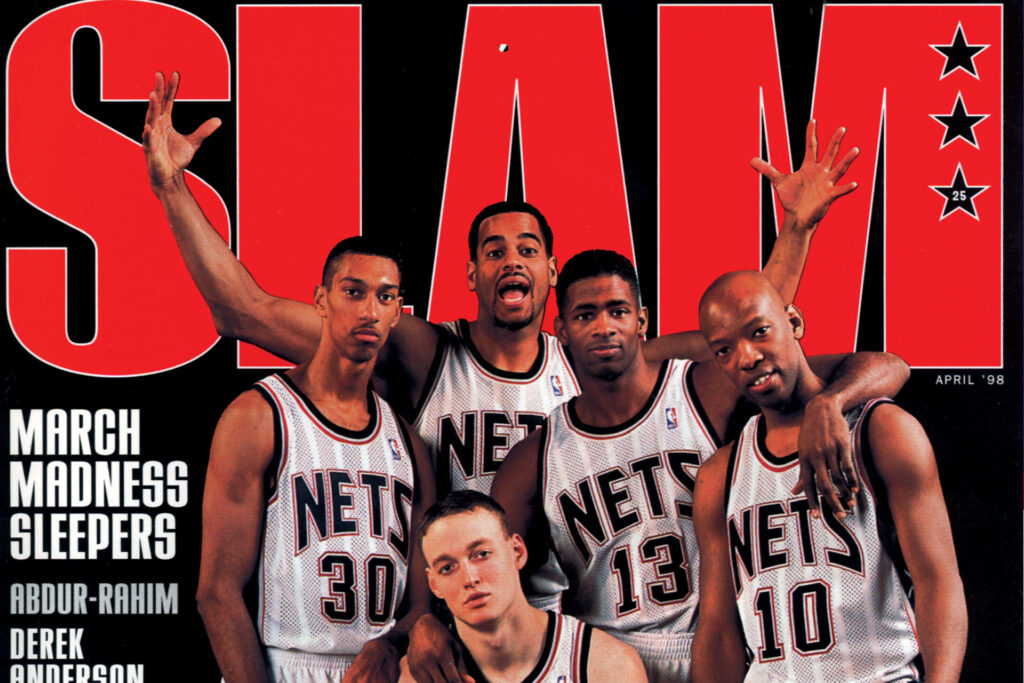
The 1998 New Jersey Nets possessed an unheralded level of depth and veteran perimeter dynamicism, immortalized on one of the era’s most iconic SLAM Magazine covers. Boasting a dangerous roster that felt fully capable of a deep Eastern Conference run, their postseason aspirations met a brutal, immediate end. Gill details the sheer misfortune of running directly into the greatest dynasty in basketball history.
Brandon “Scoop B” Robinson: Looking back at that iconic SLAM cover with the Nets in 1998, how far do you realistically think you guys would have advanced if Michael Jordan had stayed retired?
Kendall Gill: We would’ve DEFINITELY made it out of the first round and we would have probably done some things — I think possibly we could’ve gotten to the Eastern Conference Finals possibly, you know? If everything went right and everybody stayed healthy because we had a helluva team and it’s just that we ran into the best team in NBA history in the first round and don’t forget we had Sherman Douglas on that team as well, the General who is one of the best point guards I played with. We could’ve done some damage but the route that we had was almost impossible to win.
Hanging in the Tunnel With Bill Bellamy and Exotic Supercars
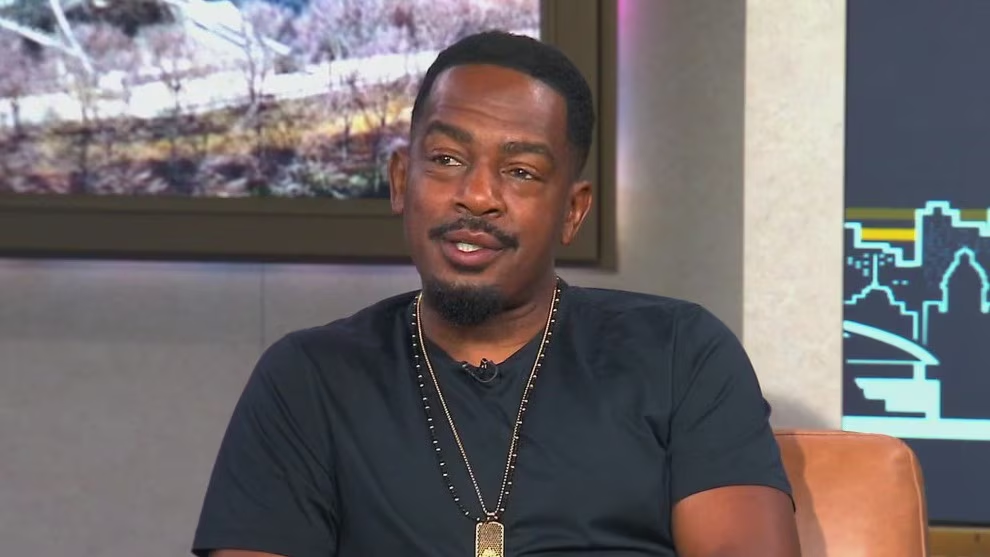
Living the prime New York City lifestyle while playing for the Nets meant completely immersing oneself in the elite cultural fabric of Manhattan. From MTV personalities dropping into practices to legendary late-night run-ins outside exclusive hotspots, the era was defined by excess and star-studded relationships. Gill recounts a hilarious supercar flex that perfectly encapsulates the absolute peak of 1990s athlete culture.
Brandon “Scoop B” Robinson: How did you cross paths with Bill Bellamy, and what did that relationship evolve into?
Kendall Gill: Actually Bill used to come to some of our practices and do some things for MTV while he was there and that’s when I first met Bill and I used to see him hanging out around the city with the New Jersey Nets. And me being with the Nets, I didn’t live in New Jersey. I lived in the city. I loved New York. I mean, I lived on 43rd and 11th Avenue is my second home and I just totally immersed myself into the New York lifestyle, so I used to see Bill all the time. Great guy and we’re still friends to this day, you know? Even when he comes through to Chicago to do his comedy concerts, I’ll go and watch him.
And Bill he told a story about when he was leaving and we had just played the Chicago Bulls and we all in the tunnel and when were coming over into the city to go to Moomba and Jayson [Williams] is in his Lamborghini and I’m in my Ferrari and we pull up next to him and he’s in an eggshell white Dodge Intrepid and I look over at him and said, ‘Yo Bill! What’s up? You fell off, man!’ [laughing] so he tells that story and he can tell it better than I can and I can tell you that playing with the Nets was one of the best 6 years of my life. I had so much fun there and meeting you and still having relationships with you and other guys in the media around the league, it was just great for me.
Driving Blind Across the Nets’ Scattered Practice Facilities
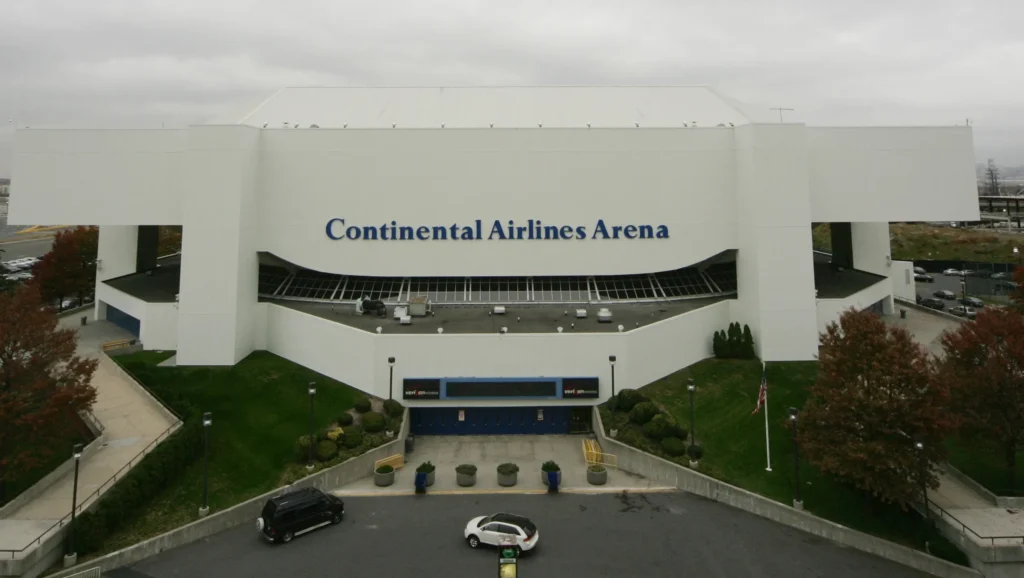
Long before modern franchises built customized, high-tech athletic compounds, the operational reality of the Nets was defined by absolute logistical chaos. Players routinely spent their mornings driving across state lines, guessing whether they were reporting to a commercial trucking site or a remote local facility. Gill explains how securing a permanent home baseline completely rescued the team’s daily sanity.
Brandon “Scoop B” Robinson: What were your actual practice days like during that particular chapter with the Nets?
Kendall Gill: I was horrible but I was living in New York so I didn’t care, you know what I’m sayin’? We were at the trucking facility sometimes we would go up to Inglewood (New York) to practice in the facility up there and the thing is, you never knew where you were going to practice because they would say Today you’re at Inglewood or today you’re at the Trucking Facility… we used to practice somewhere an hour away from the area but when we got the practice facility it was cool because now we knew where we were going to be, you know? We could come there anytime we wanted to and practice but that practice facility saved us, man because driving all over the place was tough.
The Elevator Detour That Cost Him an LA Lakers Jersey
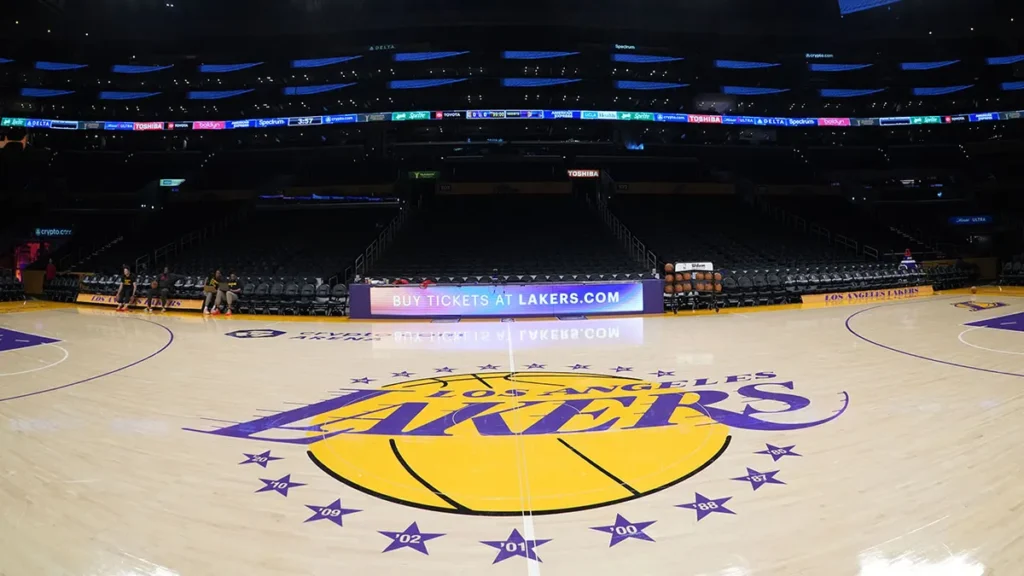
Imagine standing in a hotel lobby, completely prepared to step in front of the global press and unveil a brand-new jersey alongside Mitch Kupchak and Kurt Rambis. You are a signature away from joining a prime Shaquille O’Neal and Kobe Bryant for a certain championship run. Then, a forgotten cell phone forces a quick detour back to your room—and a sudden, staggering multi-million-dollar counter-offer shatters the plan completely.
Brandon “Scoop B” Robinson: There is a wild story about a meeting and a potential deal to team up with the Los Angeles Lakers. What exactly happened there?
Kendall Gill: The one regret I have… well the two regrets I had was leaving the Charlotte Hornets and signing with the Lakers because they had Kobe, they had Shaq and they just had won their first championship and if I had joined them we were in line to win two more or possibly who knows? So I flew out there. We already agreed on the deal and I’m about to go down to Mitch Kupchak and Kurt Rambis were downstairs; they called me, and they’re downstairs in the hotel lobby and they said, “Kendall, come on over. We got your jersey and we’re going to go on over to the press conference.” And I’m like, ‘Ok. I’m headed down.’ And I went to the elevator and I realized that I forgot my cellphone in the hotel and I’m like, Ok. Let me go back and get my cellphone… and I go back and get my cellphone and as soon as I pick it up the rings and it’s Lou Katz the owner of the New Jersey Nets and he said, “Kendall, I know you’re about to go to the press conference but we’re prepared to offer you 7 Million for one year… “ I had agreed to terms with the Los Angeles Lakers for $5.5 million for 2 years so you gotta do the math. The math was mathin for the Nets. I fell back on the bed and I put the pillow over my face and I said, ‘Mutha… why did I come back in this room?’
So I go downstairs and I tell Mitch Kupchak, ‘Hey Mitch, the Nets offered me $7 million and you guys offered me 5.5 for two years. I can’t go to the press conference. I have to think about this…’ and I never went to the press conference. I got on the phone and I tried to work things out with the Lakers to get more money but I had to make a business decision but if I had to do that decision all over again, I probably would’ve signed with the Lakers because in the long run I would’ve made the money but I was looking at right now so that’s how that went.
Terraces, Knee Injuries, and Dropping Priorities in Miami
Playing in Miami brings a unique set of cultural hazards that can quietly compromise the edge of even the most disciplined competitor. Finding himself rehabbing a severe knee injury while living in a stunning, high-end Williams Island penthouse, Gill experienced a level of luxury that felt dangerously comfortable. He reflects openly on a time when his operational priorities shifted completely away from the grind.
Brandon “Scoop B” Robinson: What was your operational reality playing down in South Beach with the Miami Heat?
Kendall Gill: I was with the Miami Heat. I wasn’t the same in Miami because I was coming off a knee injury; my knee still wasn’t 100 percent. Statistically I had the worst season of my career and also it was too damn nice down there in Miami. I had rented a two story penthouse from this Turkish movie star. All I had to do was bring my clothes and I had a terrace overlooking North Miami Beach and I lived on Williams Island… I was just too comfortable, man. Have you ever seen when Rocky’s trainer he said to Rocky that ‘you’re getting too civilized?’ I was too civilized, man. And I actually broke my hand Miami; that was the first time I was actually I was glad that I was hurt. I didn’t mind being hurt because I could go and hang out on the beach. My priorities were totally off then!
Surviving Pat Riley’s Demands and Exiling Himself to Minnesota
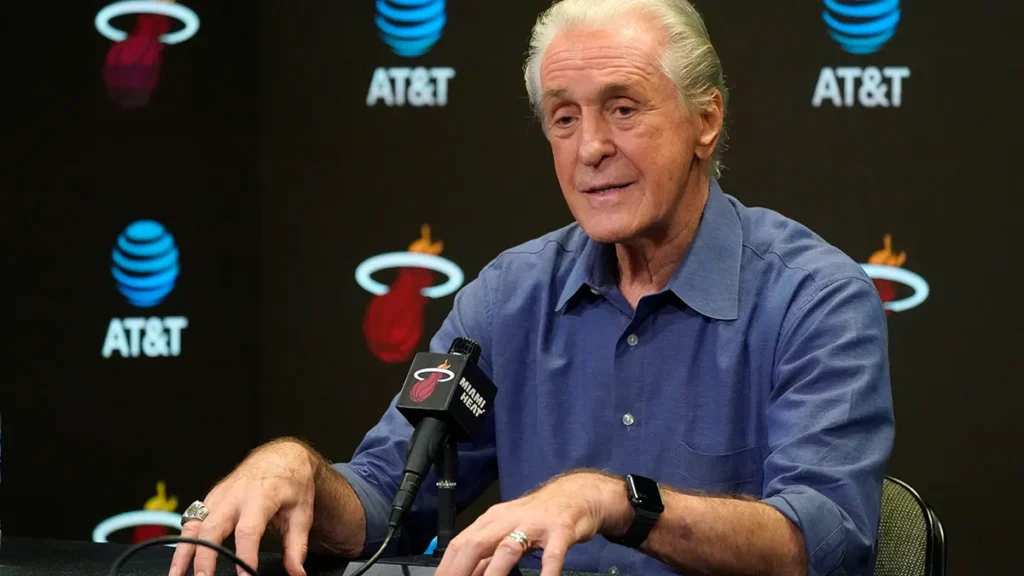
The legendary standard of Pat Riley’s “Heat Culture” is notorious for a reason, imposing strict body-fat maximums and grueling practice schedules that force total alignment. Realizing that the pristine sunshine of South Beach was softening his approach, Gill engineered a drastic corporate pivot. He demanded a trade to the single coldest market in the league to completely reset his focus on the game.
Brandon “Scoop B” Robinson: What was it like managing the psychological and physical demands under legendary coach Pat Riley?
Kendall Gill: Everything that you hear about Pat Riley is true. He’s tough. He runs tough practices, he wants your body fat under a certain level and they go by a certain creed. They talk about the Miami Heat culture, it’s true and that’s why they’ve always been successful. If I would’ve stayed there 2-3 years I would’ve gotten used to it and I would’ve gotten my priorities back in order and everything but, Pat Riley’s going to treat you first class but he’s gonna make you work for it too. You can ask all those guys down in Miami and everything they’ve done starting with Alonzo Mourning, you know? But, the next year I told my agent, ‘I gotta get outta here. My career is over and I like it too much down here with all of the sunshine and the pleasantries. Send me to Minnesota where it’s the coldest of any NBA city…’ and I was able to turn things around there because all I was concentrating on was basketball. Ain’t nothing else to do in Minnesota. [laughing]
The Legendary Target Center Sightings of Prince and Jimmy Jam
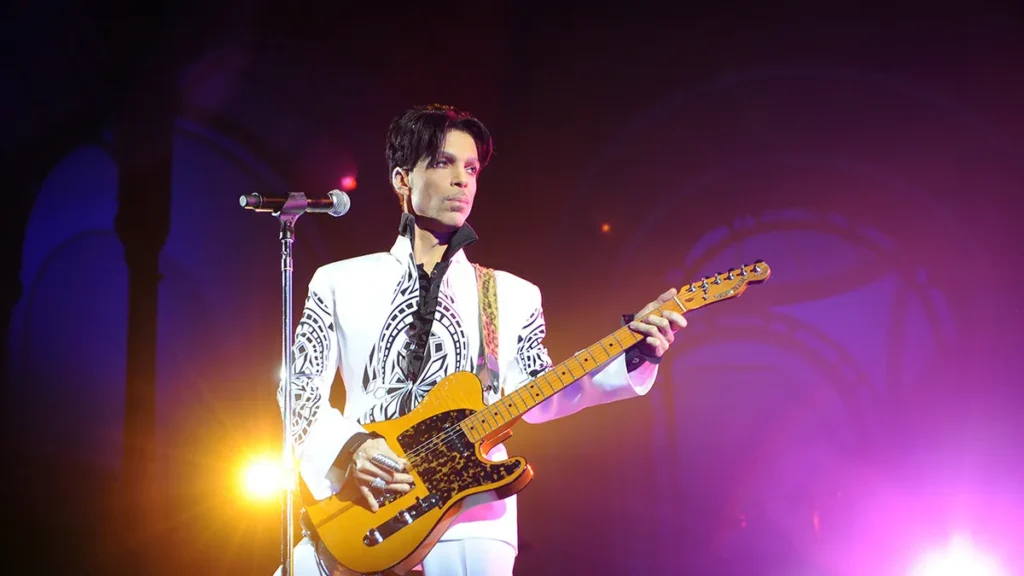
The cultural landscape of Minneapolis during the mid-2000s was anchored by a rare proximity to musical royalty. Beyond standard celebrity court-side appearances, figures like Jimmy Jam regularly integrated into the team’s operational travels. Gill confirms the long-standing baseline rumors regarding a multi-platinum icon, validating that the man could flat-out hoop.
Brandon “Scoop B” Robinson: While navigating that freezing Minnesota landscape, did you cross paths with Prince or Jimmy Jam? Could Prince actually play?
Kendall Gill: Oh yeah! Prince used to come to the games. He could play basketball! He was a baller and he would come and sit in the stands and Jimmy Jam would sometimes ride on the plane with us and everything.
The Rare, Unearthly Charisma of Prince and Magic Johnson
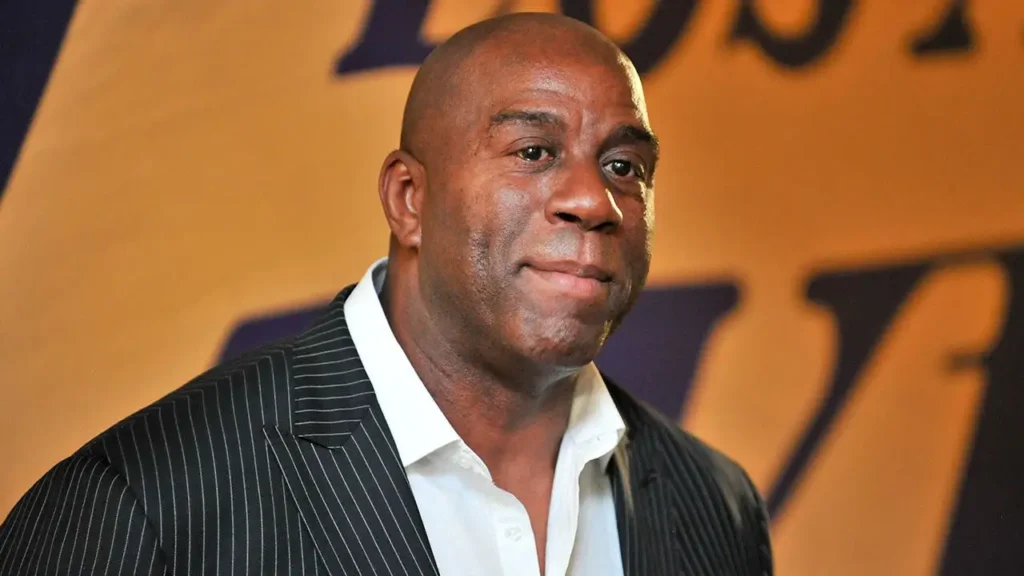
True, unadulterated superstar aura is an exceedingly rare commodity, possessed by only a select handful of individuals in human history. Over a lifetime spent operating alongside elite entertainers and athletes, Gill outlines a literal, visual glow that separates absolute icons from standard famous peers. He recalls the distinct, heavy presence that Prince brought into every public room he occupied.
Brandon “Scoop B” Robinson: Did Prince genuinely carry that mythical, unearthly aura around him that people always speak about?
Kendall Gill: He did! I’ve only seen a couple guys with glows. He was one of them. The other one was Magic when I first saw him my rookie year. But Prince as well, you know? He just has an aura about him and he doesn’t talk that much when he’s out in public and everything and when he does talk, he has this really deep voice and he just carries himself like a superstar and God bless his soul and everything, but that guy was a true, TRUE rockstar.
Fulfilling a Childhood Aspiration in a Chicago Bulls Uniform
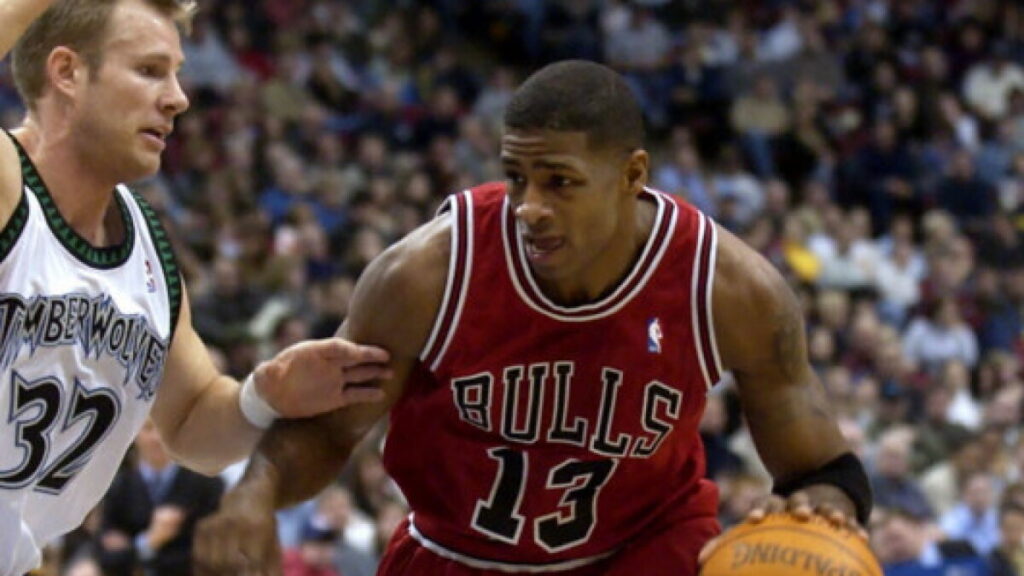
For an eighteen-year-old high school sophomore watching Michael Jordan completely transform the city of Chicago in 1984, the dream of wearing that iconic uniform was all-consuming. Standing on that legendary floor as an opposing player, the quiet promise to one day return home became a structural reality. That full-circle milestone laid the foundation for a permanent post-retirement broadcast tenure with his hometown team.
Brandon “Scoop B” Robinson: Ending your storied career in a Chicago Bulls uniform must have been a profoundly surreal, full-circle milestone.
Kendall Gill: It was because I always wanted to wear the jersey. Being from Chicago, I grew up watching the Chicago Bulls and I watched Michael in 1984 come to Chicago and put Chicago on the map. Back then I was a sophomore in high school and I aspired to be on the level that they were on and whenever I would come to Chicago and play, I would look around and be like, One day. I’ll play here… I didn’t know what year that would be but before my career is over I want to wear this uniform. I was able to make that come true and now I am a true Chicago Bull because for the past 16 to 17 years I’ve been working with them in a broadcast capacity.
Gym Politics, Fighter Mindsets, and the Danger of Playing Boxing
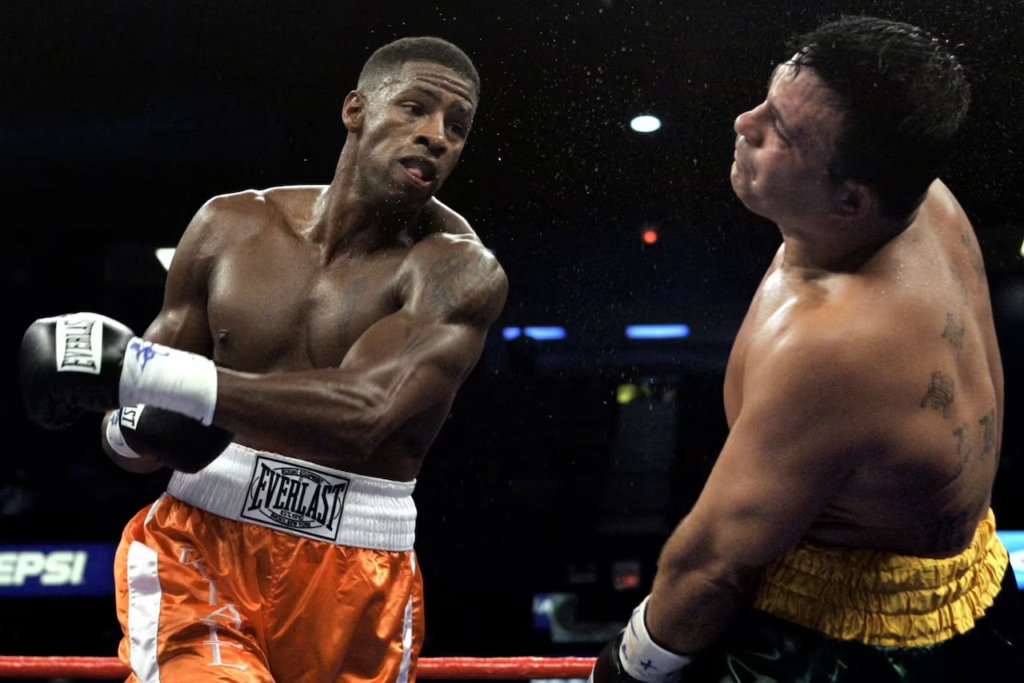
Stepping out of an elite 15-year basketball career straight into the violent, territorial world of professional boxing means confronting a brutal corporate reality. In combat sports, traditional athletic accolades provide zero protection against gym regulars determined to break a multi-millionaire intruder. Gill closes with a stark analysis of weight-cutting depletion, undercard survival, and a stern warning regarding the absolute lethality of the ring.
Brandon “Scoop B” Robinson: Finally, talk to me about the brutal transition of jumping from elite professional basketball straight into the professional boxing ring.
Kendall Gill: The transition wasn’t hard for me because I’ve been boxing my whole life, you know? When I was a young kid on the South Side of Chicago my parents sent me to a daycare center where they had boxing. That’s where I first started boxing and my grandmother lived on 79th and Sangamon in the city. One day she sent me to Woolworth’s and when I was walking to 79th and Woolworth, I saw Muhammad Ali standing on the corner and he was just standing out there; I had no idea why he was there but, he was just standing there talking to a whole bunch of people and he was holding court and to me I thought that he was god — I was a little kid then, but he looked like god, man. He was so tall and his skin was beautiful… It was Muhammad Ali and I said, I want to be just like that… and that’s when I started boxing and when I retired from the NBA, I already studied six years of ju-jitsu and six years of Muay-Tai boxing but boxing was always my favorite sport and my first love.
So I contacted my trainer and I said, ‘You know what? I want to have a couple of fights and I want to know what it feels like to really be a boxer…’ And so I went into the training and because I was already experienced it wasn’t that hard to pick up, but what was hard to pick up was the guys that were coming at me sparring because they had the attitude that this basketball player is coming into OUR gym. We ain’t come in your gym and you can’t come in our gym; and that was the attitude that they had with me whenever I got into the ring with them and it was tough — they were tough on me, they beat me up a lot, you know? After about 6 months I got used to it and then instead of taking it, I started dishing it and I had my first fight and my first fight was easy and I got rid of the guy in the first round.
I thought my second fight was going to be easy like my first fight… it wasn’t. I can remember being on the ropes and he cracks me and I’m like, Oh shit. My mom and dad are in the audience, my fiancé and my friends are here and it was at All-State Arena so the arena was packed — I was on the Fernando Vargas undercard so if he hits me like that again, he’s gonna knock me out. I didn’t train hard for the fight. I was tired. It was hard for me to make weight because I fought at Cruiseweight and you had to be under 200 pounds. I played basketball at 215 and I think I went in that fight at 197. So I depleted myself and I didn’t have the energy so I said, I gotta get rid of this dude right now… and I just let it all hang out and I ended up winning by majority decision but that just let me know that from that old saying: You don’t play boxing. And anybody that gets in there — that’s why when Nate Robinson fought Jake Paul and I talked to Tim Hardaway before the fight and Tim said, “Nate is looking pretty good out there…” I said, ‘He’s gonna get knocked out, Tim. Don’t bet any money on this guy. This guy Jake Paul? He takes it for real. He’s NOT playing. For Nate, this is like a YouTube thing…’ and that’s exactly what happened and boxing is not a game and people have lost their lives in the ring.
The Analytical Lens: Longevity and the Unforgiving Reality of the Arena
Ultimately, Kendall Gill’s journey across the multiple landscapes of elite athletics serves as a definitive blueprint for structural reinvention. In an industry where former players frequently struggle to find their footing or their distinct voice after the final whistle blows, Gill has managed to construct an authoritative legacy built on a foundation of absolute transparency. He does not view his athletic past through a lens of filtered perfection, nor does he shield himself from his historic missteps. By openly discussing his massive career regrets—such as abandoning a burgeoning powerhouse in Charlotte or bypassing a championship dynasty with the Los Angeles Lakers for immediate short-term capital—he offers a masterclass in the profound psychological weight that modern athletes carry during high-stakes free agency.
Furthermore, his reflections on locker room dynamics and coaching architecture pull back the curtain on the complex politics of the NBA. Gill’s ability to objectively analyze the masterful systems of George Karl and Pat Riley, while simultaneously refusing to minimize the severe interpersonal friction that came with them, highlights his exceptional utility as a modern analyst. He bridges a historical gap for fans and current players alike, utilizing his own experiential data to validate the enduring truths of ‘Heat Culture’ or the structural patterns of coaching controversy. This willingness to call out systemic behavior, whether it pertains to historical draft-room drama involving Kobe Bryant or the precise athletic adjustments needed in today’s college recruitment pipelines, cements his reputation as an essential, fearless historian of the game.
Yet, the defining truth of Kendall Gill resides in his profound understanding of accountability, summarized perfectly in his ominous parting warning: you do not play boxing. Whether standing on a South Side street corner gazing at a towering Muhammad Ali, trading punches on an arena undercard while physically depleted, or demanding journalistic integrity from himself at the analyst’s desk, Gill treats every arena he enters with the utmost gravity. He recognizes that sports, in their truest and most punishing forms, strip away all illusions of unearned talent. It is a philosophy governed entirely by work ethic—a continuous, lifetime methodology that caught up to McDonald’s All-Americans in 1989, survived the golden era of the NBA, and continues to dictate his unyielding standard of professional excellence today.