

In May 2017, I sat down with model, actress, and media personality Stephanie Santiago to discuss a fundamental shift in hip-hop culture. For years, the “Video Vixen” was the gatekeeper of the industry’s aesthetic—a role that could launch a full-scale career. Today, in 2025—as the “Instagram Model” and “Influencer” have completely absorbed that space—Santiago’s “buttoned-up” observation that the traditional vixen is extinct serves as the definitive autopsy of a bygone era.
Reflecting on our Scoop B Radio session, Santiago wasn’t just observing a trend; she was documenting the democratization of fame.
The Era of the “Vixen” vs. the “Influencer”

In the early 2000s, appearing in a Hype Williams or Benny Boom video was the ultimate validation. Santiago argued that by 2017, the power had shifted from the directors and casting agents to the women themselves via social media.
“I don’t think traditional video vixens exist anymore,” Santiago told me. “Back in the day, you had to wait for a video to come out to see who the girl was. Now, you see the girl on Instagram first, she has a million followers, and the artist is asking her to be in the video to get her audience.”
In 2025, this power dynamic is the foundation of the creator economy. The “vixen” used to be an employee of the label; today, she is a brand partner. Santiago saw early on that the mystery of the “music video girl” was killed by the 24/7 access of social media stories.
The Entrepreneurial Shift
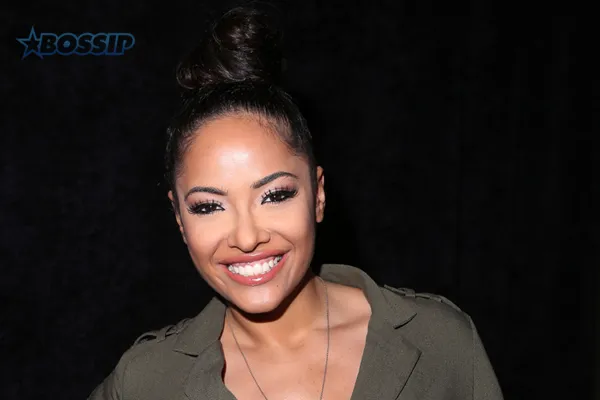
Santiago, who transitioned from modeling to co-hosting the Lip Service podcast and pursuing acting, emphasized that the “vixen” title became too small for the ambition of modern women.
“Girls are smarter now. They aren’t just looking to be the pretty face in the background for $500 a day. They are looking at how to turn a following into a business, whether it’s fitness, makeup, or hosting.”
Looking back from 2025, Santiago’s career path—moving from the screen to the microphone and the boardroom—is the blueprint. The “vixen” era was a sprint; the “influencer” era is a marathon. By 2017, Santiago was already buttoned-up on the fact that if you don’t own your platform, you’re just a prop.
The Aesthetic of the Digital Age
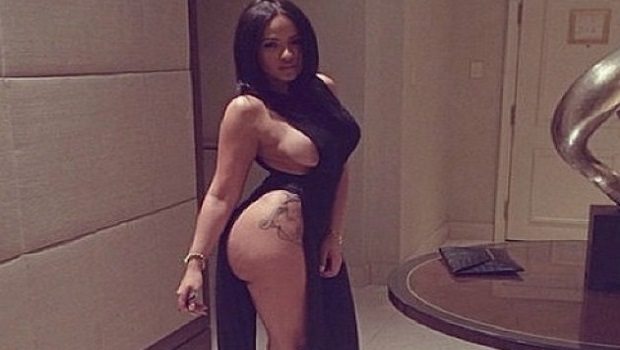
We also touched on how the “look” of the industry changed. The traditional vixen was often a “discovery,” whereas the modern aesthetic is often curated for the “grid.” Santiago noted that the industry became more about “perceived lifestyle” than just a music video appearance.
“It’s about the brand you build for yourself online. The music video is just a 15-second clip for your reel now. The real work is happening on your own page every single day.”
2025 Retrospective: The Legacy of the Transition
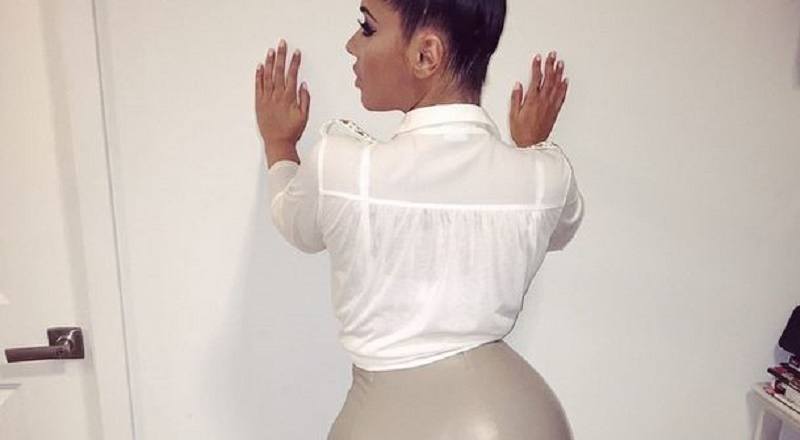
Today, the term “Video Vixen” is treated as a nostalgic relic of the 90s and 2000s. Stephanie Santiago’s 2017 session on Scoop B Radio was the final word on that chapter. She proved that the women of the industry didn’t disappear; they just moved from the background of someone else’s frame to the center of their own.
As Stephanie told me:
“You have to be more than just a girl in a video.”
In the age of 2025, where “influence” is the primary currency of entertainment, Santiago’s foresight remains a masterclass in professional evolution.