
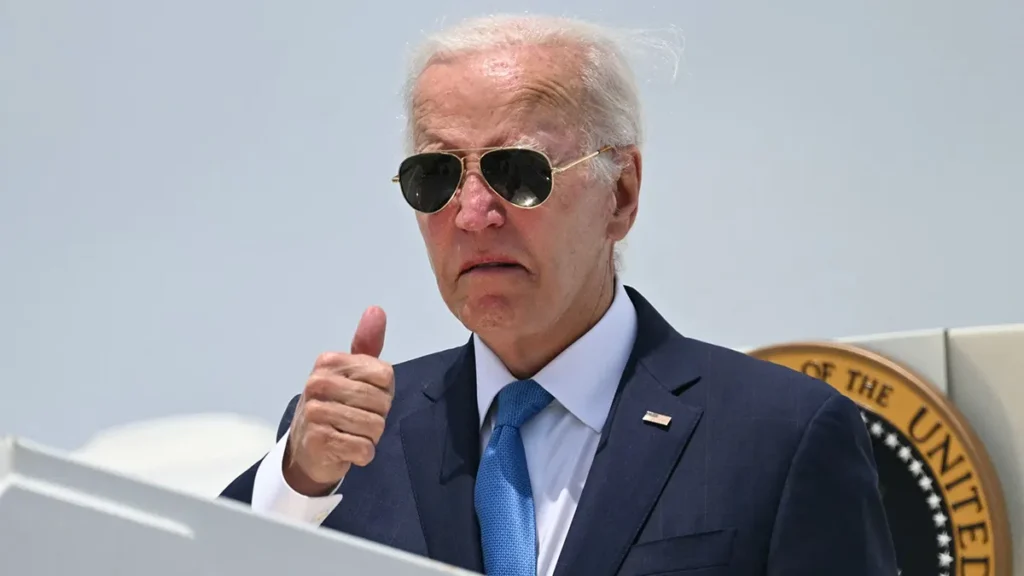
Elected in 2020 with decisive support from Black voters and alongside Kamala Harris, the nation’s first African American vice president, Joe Biden entered office pledging to center racial equity across federal policymaking. Throughout his presidency from 2021 to 2025, the Biden-Harris administration pursued an agenda combining major economic stimulus,record institutional investments, judicial appointments, and federal civil rights directives.
Supporters point to historic lows in Black unemployment, billions of dollars in targeted investments, and landmark representation in the federal courts as evidence of substantive delivery. Critics, however, contend that inflation eroded many of those economic gains, while legislative gridlock in Congress stalled several of Biden’s highest-profile civil rights and policing promises.
Economic Recovery, Child Poverty, and Wealth Building
A central pillar of Biden’s record was the 2021 American Rescue Plan, which provided direct stimulus payments,expanded food assistance, and temporarily expanded the Child Tax Credit. According to federal data and independent policy analyses, the expanded credit cut Black child poverty roughly in half during its implementation before expiring at the end of 2021.
Over the course of his term, the post-pandemic labor recovery pushed the Black unemployment rate to a record low of 4.8% in April 2023. Meanwhile, Federal Reserve data showed that median inflation-adjusted Black household wealth rose by 60% between 2019 and 2022, reflecting broader wage growth and rising asset values.
The administration also targeted barriers to business ownership and capital access. It increased Small Business Administration (SBA) lending to Black entrepreneurs and, according to White House records, awarded a record $10 billion in federal contracts to Black-owned small businesses in fiscal year 2023.
In housing and agriculture, federal agencies introduced measures aimed at narrowing structural lending disparities. The administration reduced Federal Housing Administration (FHA) mortgage insurance premiums—saving tens of thousands of Black homebuyers hundreds of dollars annually—while launching an interagency task force to combat racial bias in home appraisals. Additionally, the Department of Agriculture distributed $2.2 billion in financial assistance to more than 43,000 farmers who had experienced historical discrimination in federal farm lending programs.
Education, Student Debt and HBCU Investments
Education policy represented one of the administration’s largest areas of direct financial investment. Through COVID-19 relief packages, Bipartisan Infrastructure Law funding, and annual budget appropriations, the Biden administration directed more than $17 billion to Historically Black Colleges and Universities (HBCUs)—the largest federal investment in HBCUs in U.S. history.
Although the Supreme Court struck down Biden’s initial broad student loan forgiveness plan in 2023, the administration used existing federal authority to approve nearly $170 billion in targeted debt cancellation for almost 5 million borrowers through income-driven repayment adjustments, Public Service Loan Forgiveness reforms, and relief for defrauded students. Because Black borrowers disproportionately carry higher student debt balances and default at higher rates, civil rights groups noted that these cancellations provided substantial relief to Black graduates.
Federal Judiciary, Representation and Landmark Legislation
Biden reshaped the demographic makeup of the federal government and judiciary at an unprecedented pace. In 2022, he appointed Ketanji Brown Jackson as the first Black woman to serve on the U.S. Supreme Court. Across his four-year term, Biden appointed more Black women to federal circuit courts than all previous presidents combined and confirmed more Black federal judges in a single term than any predecessor.
Beyond judicial appointments, Biden signed several symbolic and statutory measures into law. In 2021, he enacted the Juneteenth National Independence Day Act, establishing June 19 as a federal holiday commemorating the end of slavery in the United States—the first new federal holiday since Martin Luther King Jr. Day. The following year, he signed the Emmett Till Antilynching Act, which classified lynching as a federal hate crime for the first time in U.S.history after more than a century of failed congressional attempts.
Alongside legislative milestones, Biden used executive authority to embed racial equity initiatives across the federal government. He signed sweeping executive orders requiring every federal agency to audit programs for systemic barriers,advance equity in federal procurement, and expand access to voter registration across government agencies.
Healthcare Access and Infrastructure Equity
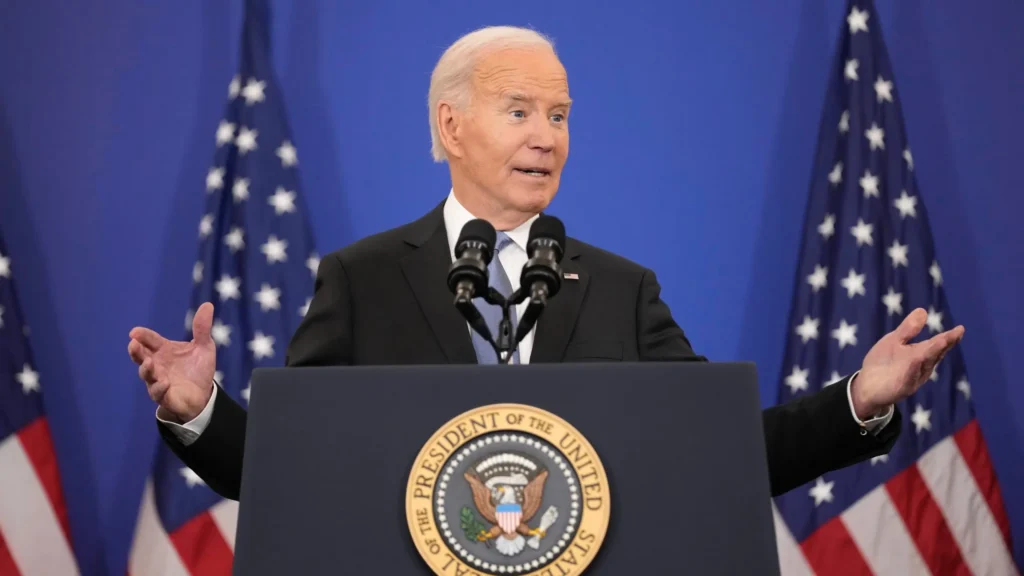
Building on the Affordable Care Act, the Biden administration expanded premium subsidies and outreach efforts, driving a 95% increase in Black enrollment in ACA marketplace coverage between 2020 and 2024. Through the 2022 Inflation Reduction Act, the administration capped insulin costs at $35 per month for Medicare beneficiaries—a measure particularly impactful for older Black adults, who experience higher rates of diabetes—and directed federal agencies to expand postpartum Medicaid coverage to a full year in most states to address the Black maternal mortality crisis.
Additionally, the 2021 Bipartisan Infrastructure Law included dedicated funding to replace lead service lines nationwide and reconnect urban neighborhoods historically divided by highway construction, initiatives specifically aimed at addressing environmental and infrastructure disparities in majority-Black communities.
Unfulfilled Promises and Criticisms
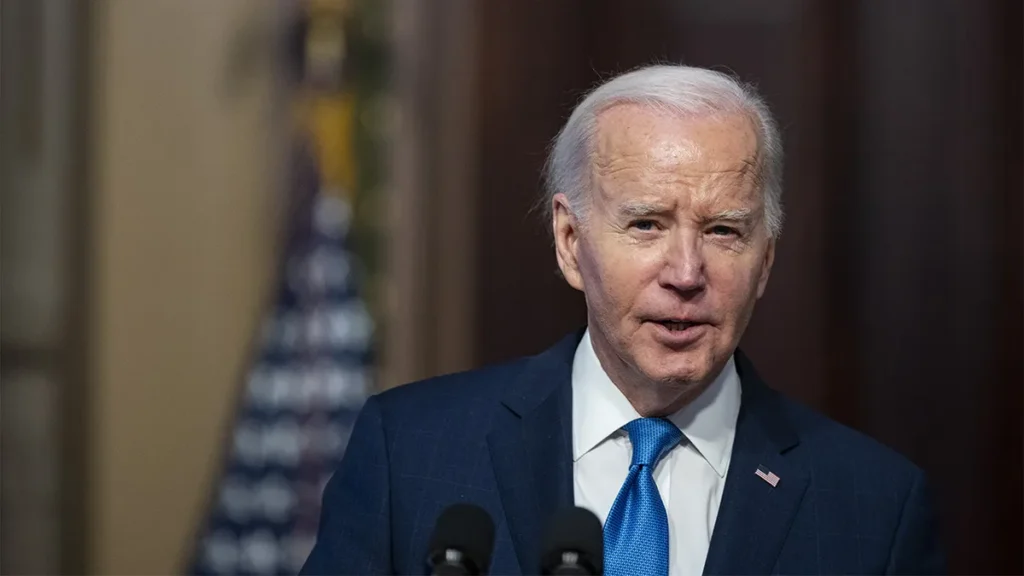
Despite these accomplishments, Biden faced persistent criticism from many Black voters, activists, and civil rights leaders over major legislative priorities that failed to pass a closely divided Congress. Most notably, neither the John Lewis Voting Rights Advancement Act nor the George Floyd Justice in Policing Act cleared the Senate. In response, Biden issued an executive order restricting chokeholds and no-knock warrants for federal law enforcement agencies and creating a national misconduct database, though critics noted these rules could not compel state and local police departments to change their practices.
Economic pressures also weighed heavily on public perception of his presidency. While job growth and nominal wages rose, high inflation between 2021 and 2023—particularly in housing, groceries, and childcare—strained household budgets and dampened approval of Biden’s economic stewardship among Black voters.
At the same time, critics on the progressive left argued that the administration did not fight hard enough to prevent the expiration of pandemic-era safety nets. When the expanded Child Tax Credit lapsed at the end of 2021, child poverty rates rebounded sharply in 2022 and 2023, erasing much of the historic progress achieved during the program’s first year.
A Substantive Yet Contested Record
Joe Biden’s presidency delivered historic levels of federal investment in HBCUs, record judicial representation, and measurable gains in employment and health coverage for Black Americans. Yet his record also reflected the constraints of a polarized political era—leaving behind foundational investments in Black institutions alongside unfinished legislative battles over voting rights, policing, and long-term economic security.