

The question of how Donald Trump’s policies have affected Black Americans has been one of the most fiercely debated topics in modern U.S. politics. Across his two non-consecutive terms in the White House, Trump and his supporters have pointed to bipartisan legislative milestones, targeted institutional funding, and pre-pandemic economic metrics as proof of tangible progress. Conversely, civil rights organizations, economists, and political critics argue that his broader economic shifts, rollbacks of civil rights enforcement, and second-term executive actions have undermined Black communities.
Evaluating his record requires looking at both the specific initiatives championed by his administrations and the wider policy impacts experienced over the last decade.
Criminal Justice Reform: The First Step Act
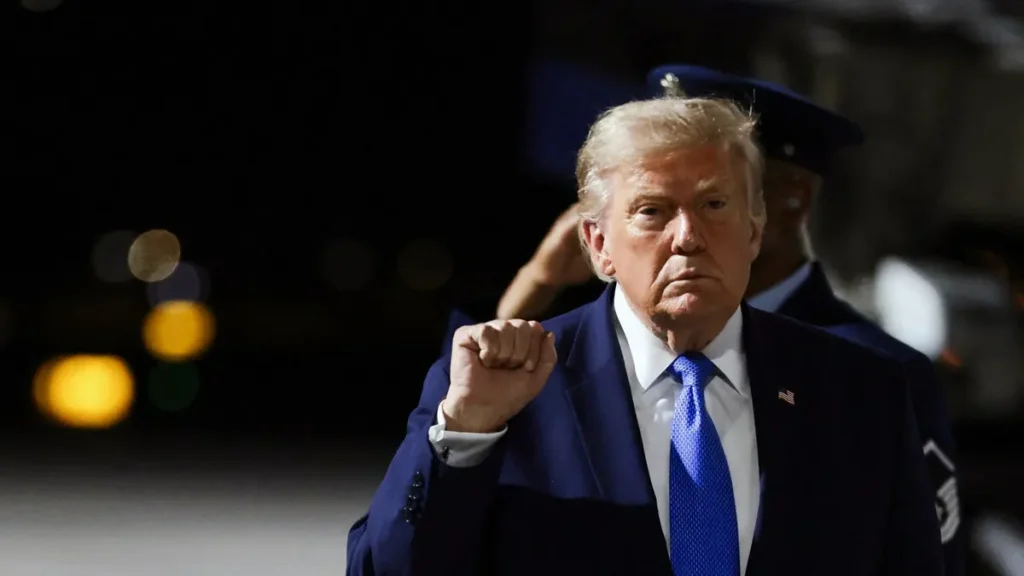
One of the most frequently cited accomplishments of Trump’s first term is the passage of the First Step Act in December 2018. Working alongside a bipartisan coalition of lawmakers and criminal justice advocates, Trump signed legislation that overhauled parts of the federal prison and sentencing system.
The law reduced mandatory minimum sentences for certain nonviolent drug offenses and expanded the “safety valve” provision, giving federal judges greater discretion to depart from strict sentencing guidelines. Most notably, it made the Fair Sentencing Act of 2010 retroactive, addressing the long-standing sentencing disparity between crack and powder cocaine offenses. According to data from the U.S. Sentencing Commission, more than 90% of the thousands of inmates who received retroactive sentence reductions under the law were Black. The legislation also expanded prison rehabilitation and job-training programs aimed at reducing recidivism and banned the shackling of pregnant federal inmates.
Support for Historically Black Colleges and Universities (HBCUs)
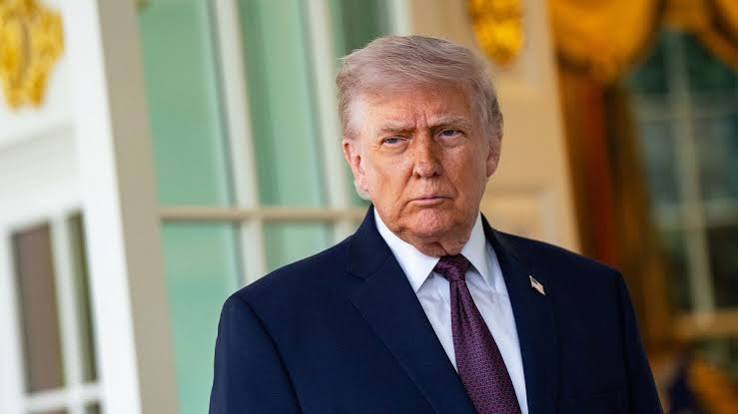
Throughout both of his presidencies, Trump has highlighted his administration’s engagement with Historically Black Colleges and Universities. In 2017, he signed an executive order moving the White House Initiative on HBCUs back into the Executive Office of the President to elevate its profile. Later that year, his administration forgave more than $300 million in federal disaster loans owed by four HBCUs recovering from Hurricane Katrina.
In December 2019, Trump signed the FUTURE Act, which permanently secured $255 million in annual federal funding for Minority-Serving Institutions, including $85 million per year specifically dedicated to HBCUs. Upon returning to office in April 2025, Trump signed another executive order reestablishing a federal White House initiative focused on supporting HBCUs, though critics noted that the order simultaneously revoked prior federal programs emphasizing Diversity, Equity, and Inclusion (DEI).
Economic Policies, Opportunity Zones and Labor Trends
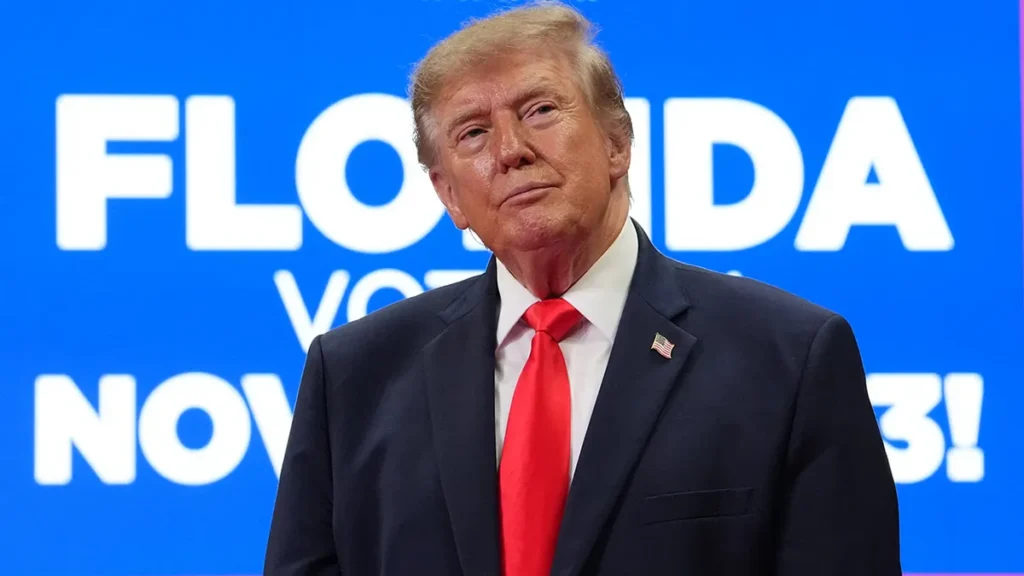
Economic performance has been central to Trump’s pitch to Black voters. During his first term, prior to the onset of the COVID-19 pandemic in early 2020, the Black unemployment rate fell to a then-record low of 5.3% in August 2019,accompanied by rising median household incomes and declining poverty rates.
To stimulate investment in underserved areas, the 2017 Tax Cuts and Jobs Act created Opportunity Zones—a program offering tax incentives for private capital invested in more than 8,700 designated economically distressed communities nationwide, many of which have majority-Black populations. Supporters credited the program with driving billions of dollars into neglected neighborhoods, though independent analyses later found that a substantial share of the capital flowed into high-end real estate projects rather than direct job creation for low-income residents.
During his second term, which began in January 2025, the economic picture grew more contentious. Reports from policy groups such as the Economic Policy Institute and the Brookings Institution noted that Black workers experienced steeper increases in layoffs and unemployment rates in 2025 compared to white peers, alongside heightened financial strain from broad tariff policies. Additionally, significant downsizing of the federal workforce disproportionately affected Black employees, who historically represent roughly 18% of federal workers.
Civil Rights, DEI and Second-Term Shifts
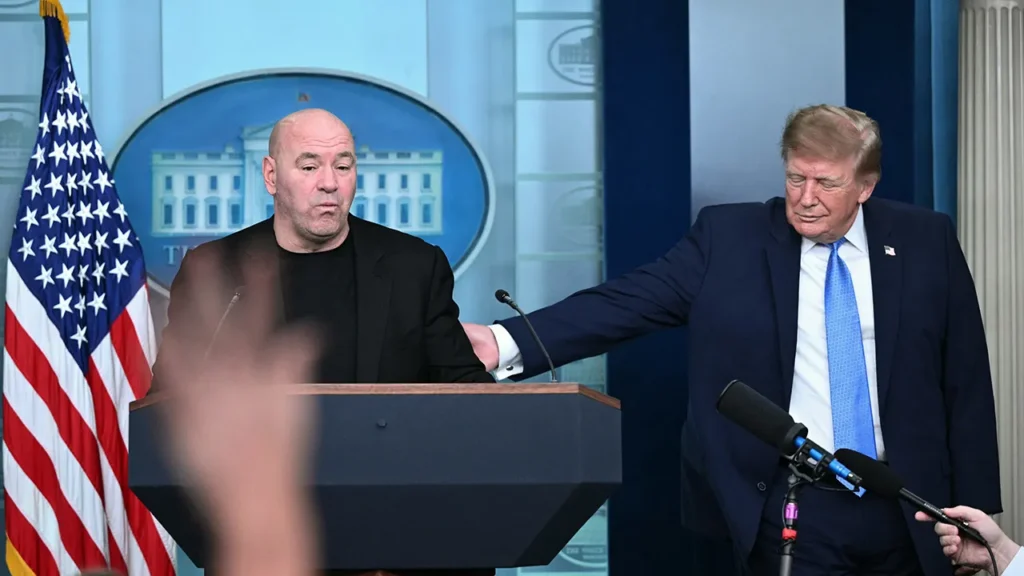
While supporters focus on legislative wins like the First Step Act and HBCU funding, civil rights leaders—including the NAACP and the Congressional Black Caucus—have argued that Trump’s governing agenda has largely eroded civil rights protections and economic safety nets.
In his first term, the Justice Department scaled back the use of federal consent decrees used to investigate and reform local police departments accused of systemic racial bias. Upon taking office again in 2025, Trump dramatically accelerated efforts to dismantle race-conscious policies across the federal government.
Dismantling DEI and Disparate-Impact Enforcement
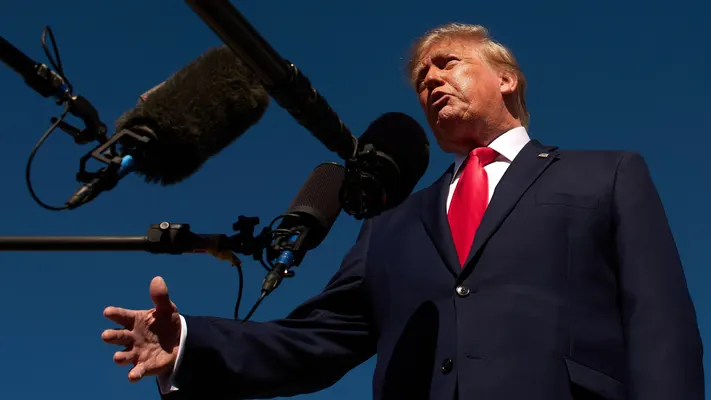
Through a series of 2025 executive orders, the administration eliminated federal Diversity, Equity, and Inclusion (DEI) offices, terminated equity-focused grants, and revoked affirmative action mandates for federal contractors. These actions rolled back long-standing federal diversity initiatives across government agencies and institutions receiving federal funds.
In April 2025, Trump expanded these efforts by signing an executive order restricting the use of “disparate-impact” liability in federal civil rights and housing enforcement. According to analyses from groups such as the Congressional Black Caucus Foundation, this directive prevented agencies like the Department of Housing and Urban Development from using racial disparity metrics to shape housing programs or challenge policies that disproportionately affect minority communities.
Healthcare and Social Safety Nets
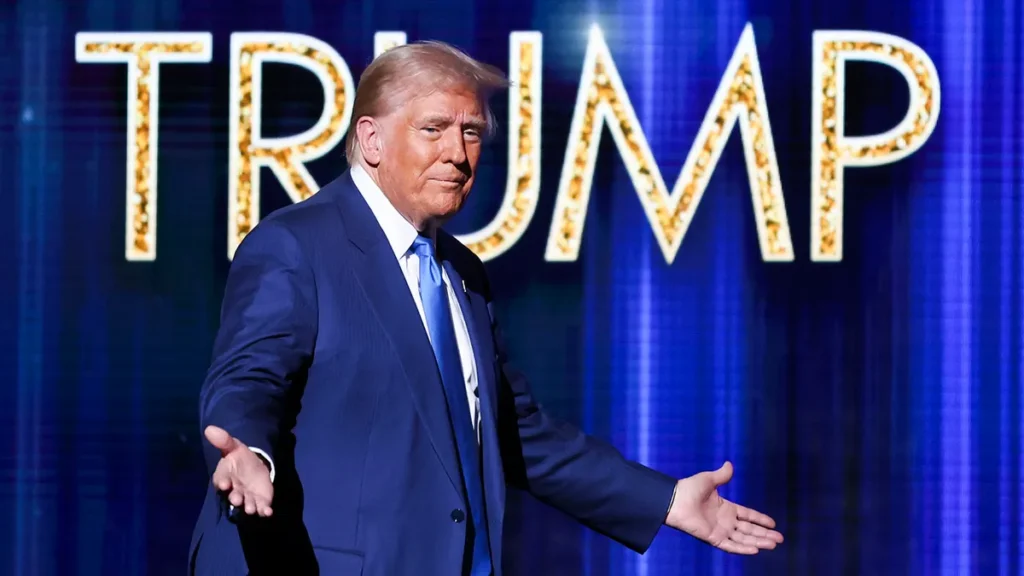
In July 2025, Trump signed H.R. 1, a sweeping budget package that enacted the largest cuts to Medicaid in the program’s history and introduced strict monthly work requirements for beneficiaries.
Because Black Americans account for over 20% of Medicaid recipients nationwide, health policy analysts warned that these restructuring measures and new eligibility hurdles would disproportionately reduce healthcare coverage access and increase financial strain for Black families.
Federal Data and Cultural Directives
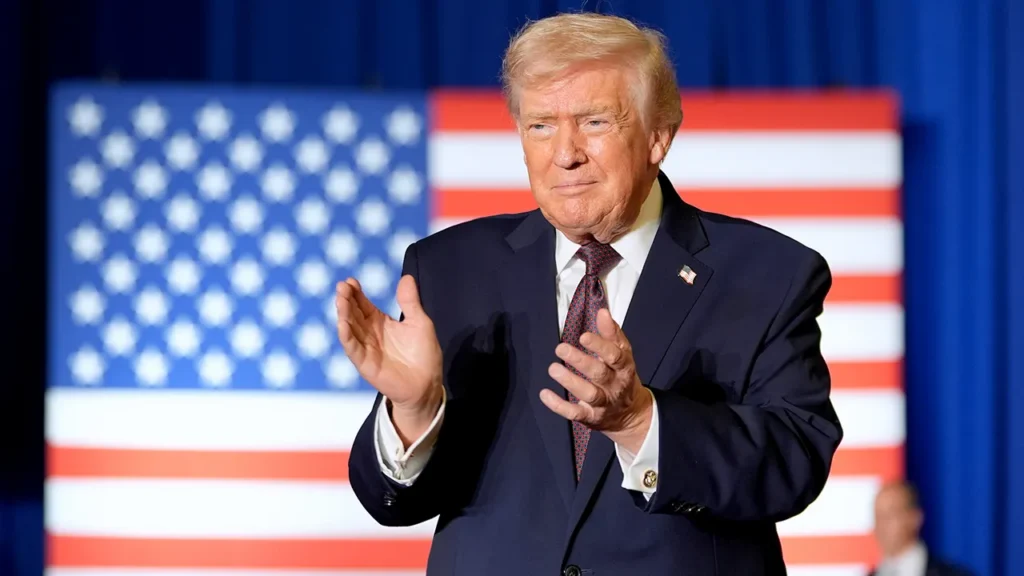
Across 2025 and 2026, the administration also issued directives reshaping how race and Black history are documented and presented at the federal level. This included orders directing changes to historical exhibits on slavery and civil rights at federally funded institutions such as the Smithsonian.
At the same time, the administration took steps to curb federal demographic tracking by rescinding Equal Employment Opportunity Commission (EEOC) requirements for employers to report workforce racial demographics and proposing the removal of race and ethnicity questions from the decennial U.S. Census.
A Divided Legacy
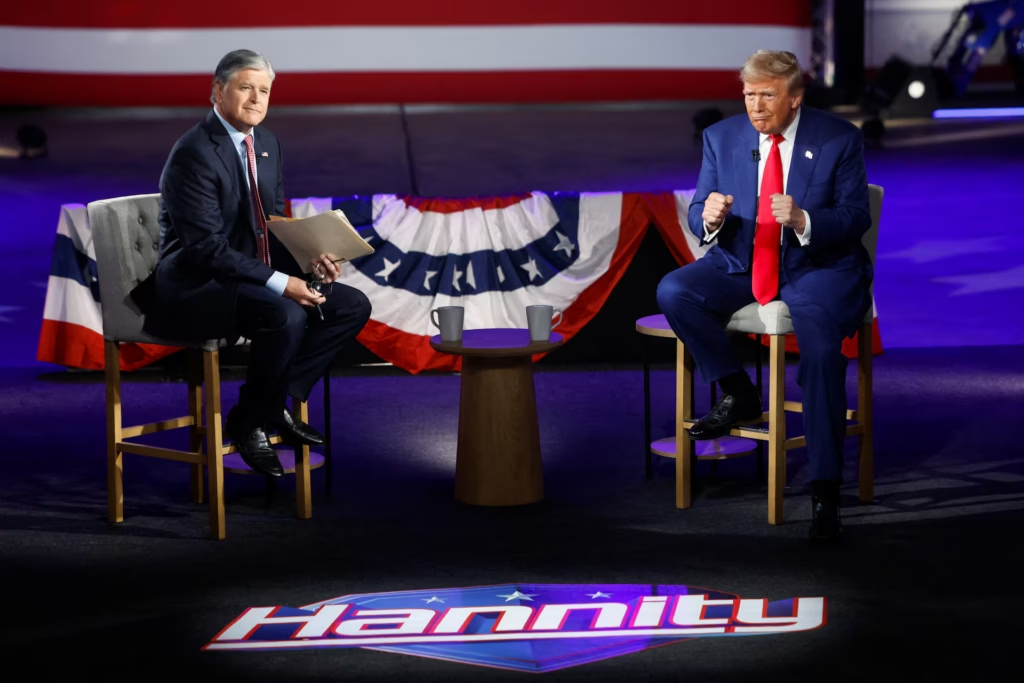
Ultimately, Donald Trump’s record regarding Black Americans reflects two starkly different approaches to governance.Supporters point to targeted, race-neutral economic growth, permanent HBCU funding, and landmark sentencing reform as concrete results that delivered where previous administrations stalled. Critics counter that those measures are outweighed by aggressive rollbacks of civil rights enforcement, cuts to healthcare and federal employment, and the dismantling of institutions designed to address systemic inequality.