
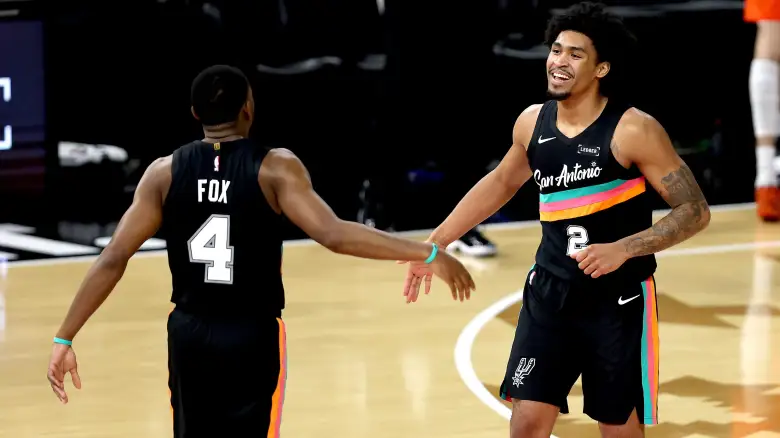
The modern NBA landscape is driven by two things: real estate on the hardwood and the timeline of your core.
I’ve got a captivating trade blueprint that could fundamentally shake up the foundations of both the Utah Jazz and the San Antonio Spurs. With both organizations navigating unique locker room dynamics and looking to maximize elite young pieces, this multi-player swap serves as a direct answer to existing roster logjams. However, it also demands an intense, high-stakes gamble from both front offices.
Let’s look at how this conceptual framework moves the needle on the court.
The Proposed Framework
| Team | Acquires |
| Utah Jazz | Dylan Harper (Guard)Keldon Johnson (Forward)Luke Kornet (Center) |
| San Antonio Spurs | Lauri Markkanen (Forward)Kyle Filipowski (Big)Svi Mykhailiuk (Guard)Two Future Utah 1st-Round Picks |
The Utah Perspective: A Masterclass in Timeline Alignment
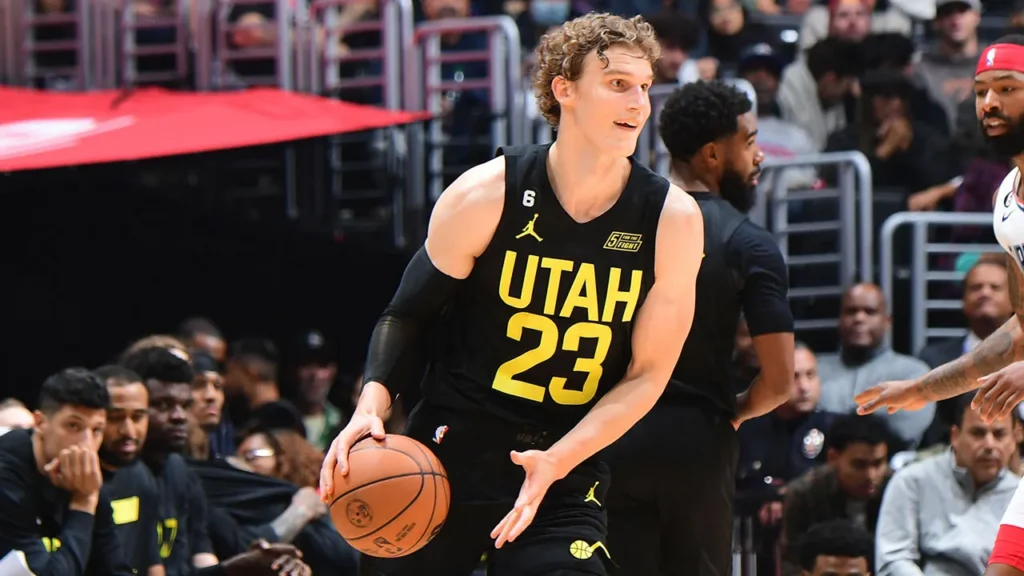
For the Jazz, this hypothetical deal is a massive victory in asset management and roster construction. Moving Lauri Markkanen allows Danny Ainge to fully commit to an incredibly high-upside youth movement, establishing a clear, unified blueprint for the future.
Projected Future Jazz Roster

| Position | Player | Core Role |
| PG | Dylan Harper | Primary Playmaker / Lead Guard |
| SG | Keyonte George | Dynamic Shot-Creator |
| SF | Ace Bailey | High-Upside Three-and-D Wing |
| PF | Cameron Boozer | Versatile Interior & Perimeter Scorer |
| C | Walker Kessler / JJJ | Paint Protector / Rim Runner |
The crown jewel of the return is Dylan Harper. The 6’5″ guard gives Utah its true playmaker of the future. Coming off a spectacular rookie campaign where he proved his mettle under the brightest lights of a deep playoff run to the NBA Finals, Harper possesses a rare blend of elite size, exceptional floor vision and high-IQ scoring instincts. Pairing him with Keyonte George instantly creates one of the most dynamic, versatile young backcourts in the NBA.
Furthermore, clearing Markkanen out of the frontcourt opens up the runway entirely for Ace Bailey and the high probability of landing a foundational talent like Cameron Boozer up front. With a defensive anchor protecting the paint, Utah secures a perfectly synchronized core where every single piece matches the same developmental timeline.
To wrap it all together, Keldon Johnson adds a tough, culture-setting veteran presence on the wing, while Luke Kornet offers reliable depth at the backup center position.
The San Antonio Perspective: The Ultimate High-Risk, High-Reward Power Move
For the Spurs, this trade represents an aggressive, organizational pivot. The basketball logic behind it is tantalizing: putting Markkanen’s elite floor-spacing, movement shooting and size right next to Victor Wembanyama creates a virtually unstoppable frontcourt environment.
Projected Spurs Starting Five

| Position | Player | Core Role |
| PG | De’Aaron Fox | Fast-Break Engine / Primary Facilitator |
| SG | Stephon Castle | Perimeter Lockdown Defender |
| SF | Devin Vassell | Elite Three-and-D Spacer |
| PF | Lauri Markkanen | Elite Floor-Spacing Forward |
| C | Victor Wembanyama | Two-Way Generational Anchor |
While that lineup is an undeniable powerhouse capable of contending for a championship immediately, the cost to get there would likely cause serious hesitation in San Antonio.
Trading away a blue-chip talent like Harper on a rookie-scale contract is a massive gamble, even with De’Aaron Fox firmly holding the keys to the starting point guard position. While a Fox and Harper overlap creates a dilemma, moving a foundational piece like Harper usually happens much later in a team’s championship window.
The primary sticking point is the draft capital. Sending two future first-round picks back to Utah on top of surrendering Harper feels like a double-penalty for San Antonio. Typically, the team parting ways with a blue-chip rookie prospect is the one accumulating draft assets, not sending them away.
Financial Mechanics & Collective Bargaining Agreement (CBA) Reality

From a financial standpoint, a deal of this magnitude requires precise cap engineering under the current collective bargaining agreement. Shifting this much salary between two franchises means navigating the league’s strict trade matching rules, particularly regarding how both teams sit relative to the first and second tax aprons.
Lauri Markkanen’s sizable contract extension and Keldon Johnson’s remaining years serve as the primary financial ballast for this entire transaction. Because both front offices are swapping major salary anchors, the matching math has to be airtight. For San Antonio, absorbing Markkanen’s massive contract means taking on a significant long-term financial commitment, necessitating the inclusion of Johnson’s salary to keep the incoming and outgoing money balanced.
On the other side of the ledger, getting Dylan Harper’s elite production on a cost-controlled, rookie-scale contract is what makes him the ultimate trade asset. For Utah, absorbing a blue-chip player on a rookie deal while sending out a max-level contract like Markkanen provides immense, long-term financial flexibility. It gives the Jazz front office a massive runway to aggressively build and spend around their new young core in the years to come.
Conversely, losing that rookie-scale luxury completely changes the mathematical equation for San Antonio. By trading away a premier young talent making a fraction of his true on-court value, the Spurs accelerate their spending timeline. Filling out a competitive, deep roster around the high-priced trio of De’Aaron Fox, Lauri Markkanen and Victor Wembanyama suddenly becomes a much tighter, vastly more expensive proposition.
The Klutch Angle & The VanVleet Hurdle
Any secondary plan that relies on leveraging a Klutch Sports connection to recruit Fred VanVleet to San Antonio as a backup to De’Aaron Fox runs into severe financial and modern reality checks.
VanVleet is currently playing under a two-year, $50 million contract with the Houston Rockets, which he signed during the 2025 offseason after Houston wisely declined his original $44.9 million team option to restructure a more cap-friendly, long-term deal. While VanVleet missed his initial campaign recovering from an unfortunate ACL tear suffered in September, his leverage remains incredibly solid.
VanVleet holds a $25 million player option for the upcoming 2026-27 season. Expecting a veteran leader of his caliber to opt out of a guaranteed $25 million bag—or pass up a long-term restructure to stay in Houston’s locker room next to Kevin Durant—just to sign a cheaper deal to come off the bench in San Antonio is highly ambitious. VanVleet still commands high-level money and utility, making the Spurs’ backup guard equation a much tougher puzzle to solve.
The Verdict
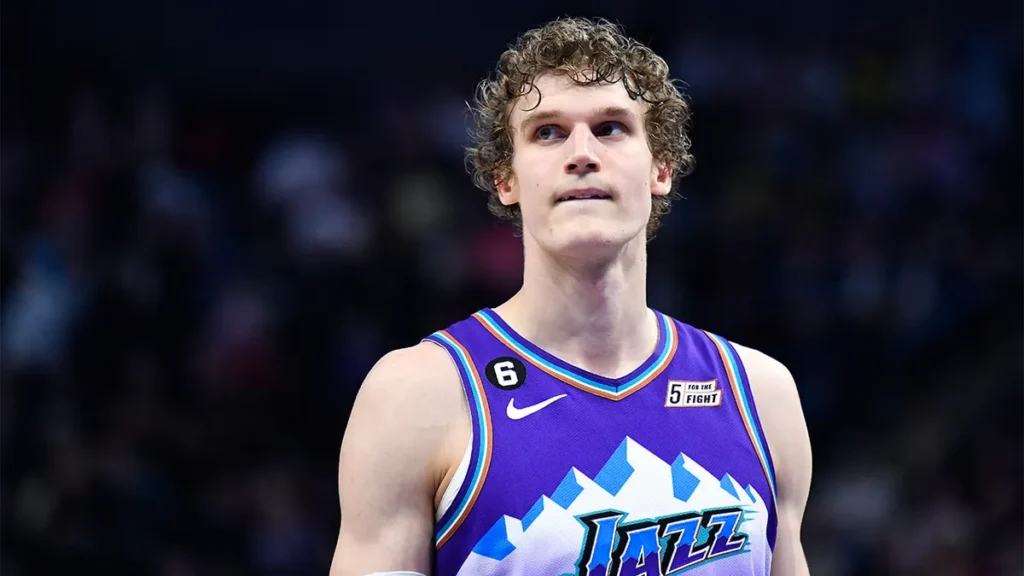
As a pure basketball concept, this trade proposal solves real-world issues for both teams, but the value scales currently tip in Utah’s favor.
Utah successfully capitalizes on Markkanen to secure their franchise point guard and clear their frontcourt logjam. For San Antonio to greenlight a home run deal of this magnitude, the draft pick compensation would likely need to be heavily modified. If the picks are removed from the table—or if Utah routes draft capital back to Texas—this becomes a franchise-altering win for both sides.