
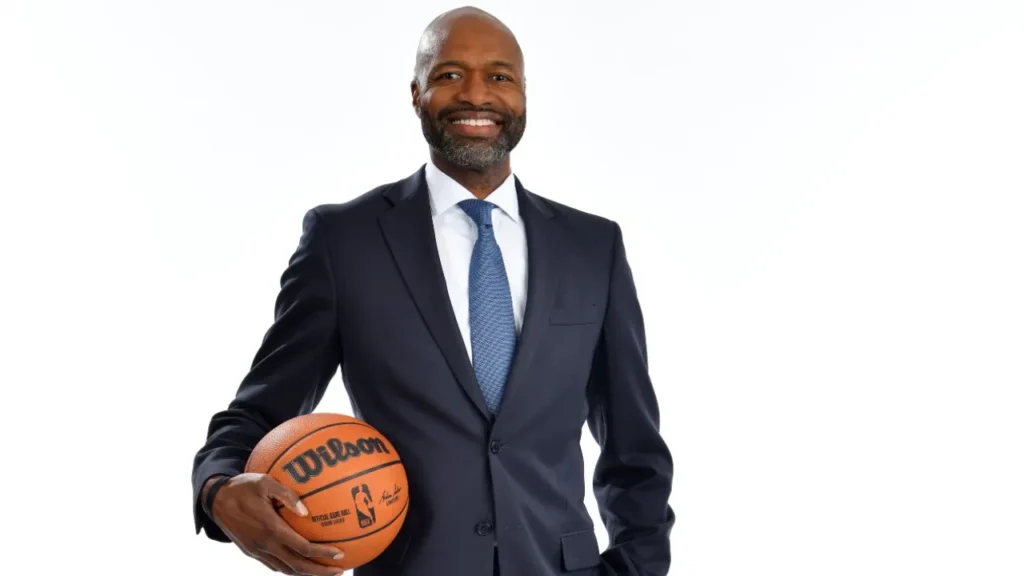
The architectural framework of a successful NBA franchise is built upon two pillars: identity and execution. For the New Orleans Pelicans, those elements have often felt like fleeting concepts rather than concrete foundations. Following a tumultuous chapter that saw the mid-season dismissal of Willie Green after a devastating 2-10 opening stretch, a long interim stretch under James Borrego, and a dismal 26-56 finish, the franchise stood at a critical crossroads. The mandate from the front office was clear: find a leader capable of commanding accountability, building a rigid defensive structure, and connecting deeply with a frustrated, injury-plagued young roster.
Enter Jamahl Mosley.
Formally announced by Executive Vice President of Basketball Operations Joe Dumars, Mosley takes over as the tenth head coach in franchise history on a multi-year deal. He steps into the Crescent City freshly removed from a transformative five-season tenure with the Orlando Magic, where he successfully navigated a scorched-earth rebuild and guided an undergraduate roster into three consecutive playoff appearances.
While Mosley’s exit from central Florida was abrupt—following a heartbreaking, seven-game first-round collapse against the Detroit Pistons—his reputation across the basketball landscape remains sterling. He is widely considered one of the elite developmental and defensive minds in modern coaching. To understand what Mosley brings to New Orleans, one must examine the tangible basketball philosophy, personal testimony, and coaching lineage that define his career.
The Core Philosophy: Accountability and Defensive Identity
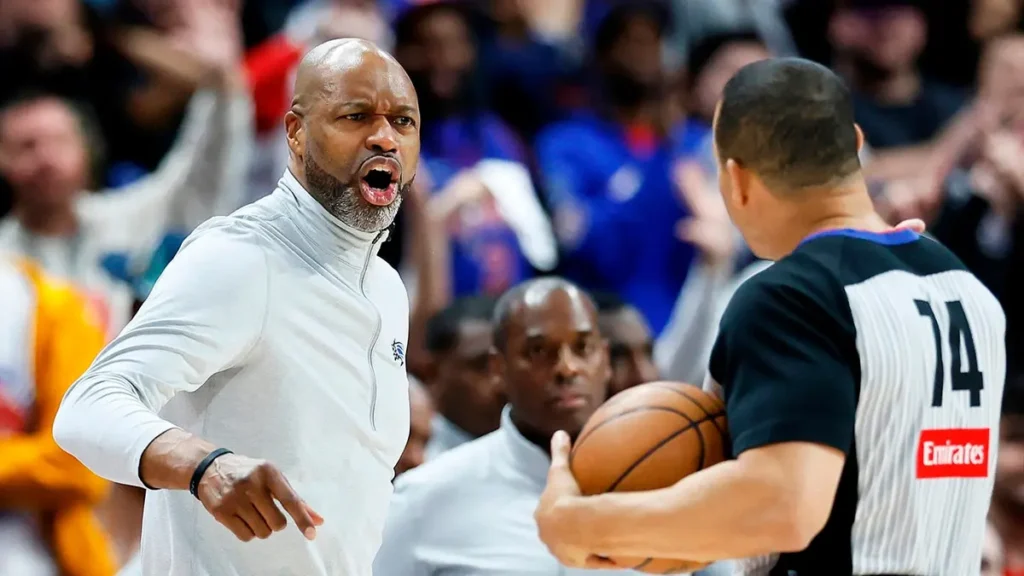
Mosley’s coaching methodology is anchored by an unapologetic, gritty defensive focus. In an era dominated by offensive spacing, high-volume three-point shooting, and pace-and-space systems, Mosley has consistently swam upstream, prioritizing point-of-attack defense, physical containment, and structural discipline. Under his watch, the Orlando Magic evolved from a defensive afterthought into a top-three defensive unit in the NBA, suffocating opposing guards and forcing teams into grueling, half-court execution.
This is exactly what the Pelicans desperately require. With perimeter pieces like Herb Jones—an elite All-Defensive First Team stopper whose recent seasons have been interrupted by injuries—alongside physical specimens like Zion Williamson and Dejounte Murray, the raw materials for a defensive powerhouse are present in New Orleans. However, raw materials require a master craftsman to assemble them into a functional system.
To truly understand how Mosley implements this style, one must listen to the players who fought in the trenches for him. Orlando Magic big man Wendell Carter Jr., who blossomed into a reliable structural anchor under Mosley’s tutelage, provided an incredibly candid look at what the Pelicans players can expect when they step into the practice facility.
“He’s the ultimate player-coach,” Wendell Carter Jr. tells ScoopB.com.
“He expects great things from his players and not giving everyone necessarily their freedom but he wants everybody to be great and he wants everybody to live up to what their potential is; and also he coaches you really hard especially on the defensive end. He wants guys to sit down and guard. He really doesn’t put too much emphasis on the offensive end but I think that’s the freedom you get when you sit down and get stops on the other end.”
Carter’s insight perfectly encapsulates the delicate balance Mosley strikes. The phrase “ultimate player-coach” can sometimes carry a soft connotation in professional sports—evoking images of a manager who coddles egos or avoids conflict. But Carter immediately dispels that notion by noting that Mosley is “not giving everyone necessarily their freedom” and that “he coaches you really hard especially on the defensive end.”
This structural reality marks a major psychological shift for the Pelicans, establishing what can best be described as Mosley’s defensive covenant. Under this philosophy, a player’s journey begins with absolute defensive buy-in and high-intensity effort on every single possession. This rigorous commitment directly translates into earned stops and forced turnovers on the floor. In Mosley’s system, those defensive results are the exact currency required to purchase offensive freedom and creative latitude on the other end. Rather than restricting his players, Mosley uses tight defensive parameters to generate the high-efficiency transition opportunities that allow their natural offensive talents to truly shine.
Under Mosley, offensive privileges are earned on the baseline. Players like Jordan Poole and Saddiq Bey, who have historically encountered lapses in defensive concentration, will find themselves challenged in ways they haven’t experienced before. Mosley’s mandate to “sit down and guard” means that defensive execution is non-negotiable. Yet, as Carter astutely points out, this rigid defensive expectation unlocks offensive liberation: “I think that’s the freedom you get when you sit down and get stops on the other end.” By generating stops, forcing turnovers, and controlling the defensive glass, Mosley’s teams create high-efficiency transition opportunities. For an explosive athlete like Zion Williamson or an instinctive playmaker like Murray, playing in an elite defensive system means getting out in the open floor where they are virtually unstoppable.
The Lineage: From Cleveland to the Horizon
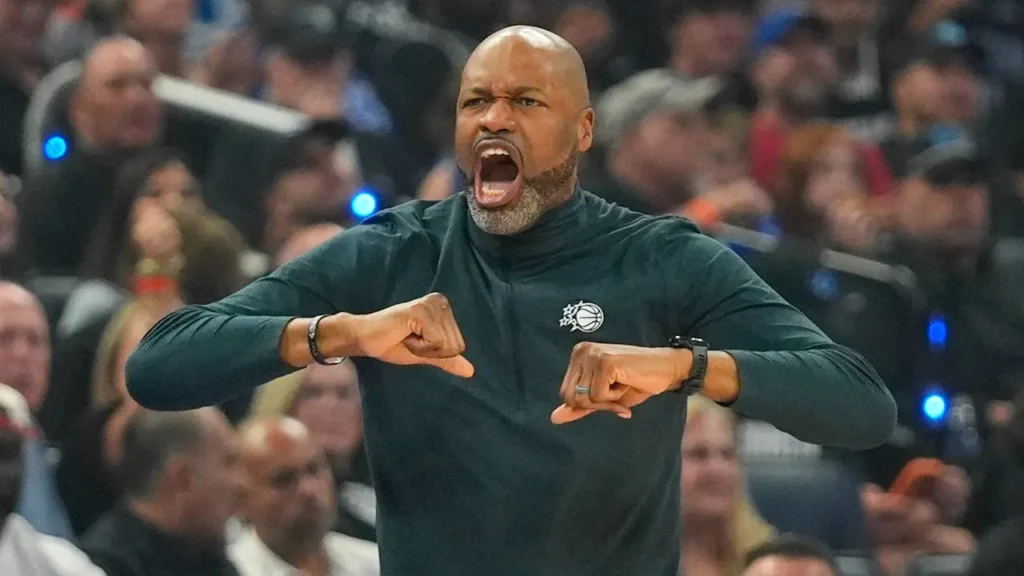
Coaching excellence is rarely generated in a vacuum; it is forged through decades of observation, collaboration, and structural evolution. Mosley’s journey to the top step of the NBA hierarchy is a testament to this grind. Long before he was orchestrating playoff game plans in Orlando or reshaping the culture in New Orleans, Mosley was a grinding assistant coach learning the nuances of player management and detailed preparation.
A crucial, foundational epoch of his development occurred in Ohio. Mosley served on the Cleveland Cavaliers’ bench from 2010 to 2014, working under both head coaches Byron Scott and Mike Brown. It was an environment defined by transition, young talent evaluation, and structural rebuilding following the departure of LeBron James.
It was during this final stretch in Cleveland that Mosley’s path crossed with another legendary basketball mind: Phil Handy. Handy joined Mike Brown’s coaching staff in June 2013 as an assistant coach and director of player development, which overlapped with Mosley’s final season in Cleveland before Mosley left for the Dallas Mavericks.
While Mosley went on to spend seven highly successful seasons as Rick Carlisle’s lead defensive assistant in Dallas before landing the Orlando job, and Handy went on to win multiple championships as a developmental mastermind with the Cleveland Cavaliers, Toronto Raptors, and Los Angeles Lakers, the bond formed between the two during that 2013-14 campaign remained unbreakable.
Handy, who currently serves as an assistant coach with the Dallas Mavericks, holds a profound appreciation for Mosley’s foundational traits. When asked about what the Pelicans are getting in their new leader, Handy offered an illuminating evaluation: “Mos has always been a hell of a coach,” Handy told me by phone this afternoon.
“Detailed and a great communicator. His energy daily is at a high level and always ready for whatever challenge is ahead.”
Handy’s commentary isolates three specific traits that explain why the Pelicans front office identified Mosley as their prime target.
The first is an emphasis on meticulous detail. In the modern NBA, tactical adjustments happen on a possession-by-possession basis. Mosley’s scouting reports and structural coverage are famously dense, ensuring that his players enter every contest with an intimate knowledge of their opponent’s tendencies. This micro-level preparation eliminates hesitation on the floor, allowing defenders to anticipate plays before they develop.
However, a highly detailed game plan is entirely useless if it cannot be articulated effectively to a young roster. This is where Mosley’s elite communication skills become a game-changer for New Orleans. He excels at translating complex tactical concepts, advanced analytics, and dense film study into accessible, actionable instructions. Whether he is coaching a seasoned veteran or a 21-year-old lottery pick, Mosley ensures that every individual understands their precise positioning and role within the broader team framework.
Finally, navigating the grueling NBA regular season requires an unwavering daily energy. The league is an 82-game war of attrition characterized by exhausting travel schedules, emotional valleys, and deep physical fatigue. A head coach whose energy is constantly sustained at a high level acts as a vital cultural anchor for a franchise. Mosley’s relentless enthusiasm and daily approach prevent the standard mid-season malaise from creeping into the locker room, keeping his players motivated and locked in through the toughest stretches of the calendar year.
Maximizing the New Orleans Roster
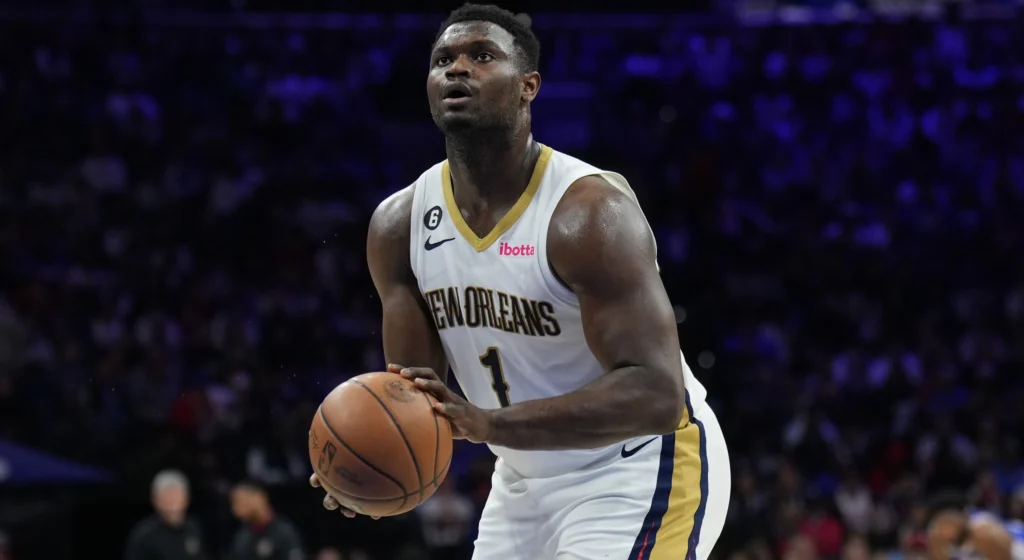
Maximizing the diverse collection of high-end lottery talent, unpolished youth, and proven veterans on this roster requires a highly targeted approach for each distinct unit. For the star franchise core of Zion Williamson and Dejounte Murray, Mosley’s primary mandate is to instill absolute physical accountability while maximizing their transition opportunities through elite defensive stops. By establishing defensive stops as the catalyst for their offense, he can put both stars in position to run the floor while simultaneously cultivating the late-game execution discipline that has occasionally eluded this team in critical moments.
On the defensive side of the ball, Mosley inherits an elite foundation spearheaded by Herb Jones. The goal here is to elevate Jones into a perennial Defensive Player of the Year caliber weapon by deploying his rare point-of-attack length across multiple aggressive schemes. Meanwhile, the perimeter will feature a young core of Trey Murphy III and Jordan Poole. To get the most out of their explosive scoring ability, Mosley must establish clear shot-selection boundaries while demanding rigorous, focused defensive buy-in so they do not become liabilities on the other end of the floor.
Finally, the frontcourt future of the franchise rests on the development of young big men Derik Queen and Yves Missi. Mosley plans to anchor his rim protection by implementing aggressive, vertical drop-coverage schemes that utilize their size and athleticism. By pairing this tactical structure with a rigid, daily player-development plan, Mosley can maximize their screen-and-roll efficiency, turning them into elite interior anchors who can protect the paint for years to come.
The most critical relationship Mosley must cultivate is with Zion Williamson. When healthy, Williamson is an unguardable interior force, but his career has been consistently derailed by health issues and structural instability within the organization. Mosley’s history of managing high-profile young stars—most notably Paolo Banchero and Franz Wagner in Orlando, as well as working alongside Luka Dončić during his assistant coaching days in Dallas—gives him a unique blueprint for how to handle elite talent. He will push Williamson to meet his potential, holding him to the rigorous standards Carter outlined, while providing the personal support required to navigate the pressures of franchise stardom.
Simultaneously, the arriving rookie class—headlined by skilled interior big man Derik Queen and dynamic guard Jeremiah Fears—will benefit immensely from Mosley’s historical pedigree. Mosley’s work with USA Basketball, where he served as the head coach of the USA Basketball Men’s Select Team in both 2023 and 2024, demonstrates his elite standing in the eyes of young American talent. He understands how to communicate with the modern young player, demanding professional standards without crushing their natural creativity.
The Mosley Blueprint: Versatility and “Our Brand”
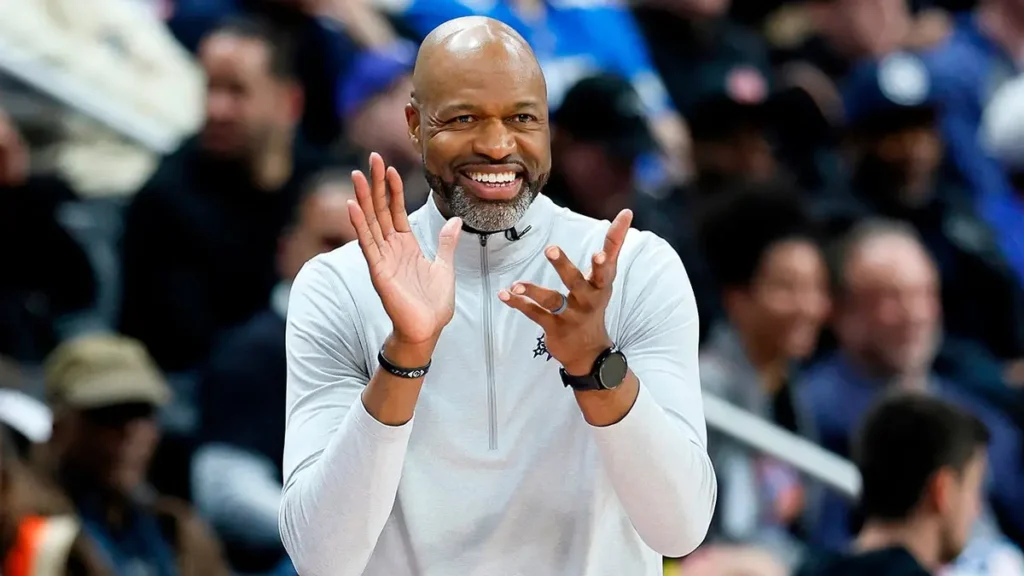
To gain direct insight into how Mosley views late-season execution, handling offensive slumps, and adapting to structural styles, we can look back to an exclusive conversation. In an interview with me in the spring, we discussed the state of the Orlando Magic, and Mosley explicitly detailed the baseline expectations he sets for his teams when entering the most crucial stretches of the calendar year.
When discussing how a team must sharpen its execution as the postseason nears, Mosley laid out a philosophy centered on progression over complacency:
“What I say to that is I’d like us to continue to rise up and keep playing better basketball; our best basketball down the stretch. We’ve got four left and the ability to get our defense lined up the way it needs to be.”
Crucially, Mosley’s system demands that a team controls the small details, even when their primary offensive sets aren’t yielding points. When evaluating a rugged game where his team struggled mightily from the floor, Mosley emphasized that microscopic margins dictate winning at the highest level:
“Offensively the ball clicking, the ball popping I think we were trying to share it. I think it’s kind of hard to do when you’re shooting 7-of-33 [from deep] but finding a way to get the win despite that and obviously shooting 69 percent from the free-throw line. All of those little margins are going to be huge down the stretch for us.”
This exact process-over-results mentality is what Mosley brings to New Orleans. For a Pelicans group that has historically fallen into isolated scoring lulls, Mosley’s insistence on “the ball popping” and finding alternative routes to victory will serve as a stabilizing force.
Furthermore, Mosley rejects the notion that a team must be boxed into a singular stylistic identity based on conference trends or roster layout. He expects his teams to possess a distinct, universal baseline that translates across any environment:
“Coming off of these last wins, it’s very important for us to continue to play the right way, sharing the basketball; defensively we’re just continuing to get after it. No matter who we’re playing, West or East, we’ve got to make sure that we’re playing our brand of basketball.”
When asked to unpack what that tactical hybrid looks like in practice, Mosley detailed a structural adaptability that perfectly suits the physical toolkit available to him in New Orleans:
“The other part about it is that we can play both sides of it. I think offensively being able to push the pace of it as they do in the West and being able to grind the games out like we do in the East.”
This dual capability is precisely what makes Mosley the ideal visionary for the modern Pelicans. With the open-floor gravity of Zion Williamson and the half-court perimeter lockouts anchored by Herb Jones, New Orleans now has a coach who intends to seamlessly master both high-octane pace and defensive grinds.
Rebuilding the Culture
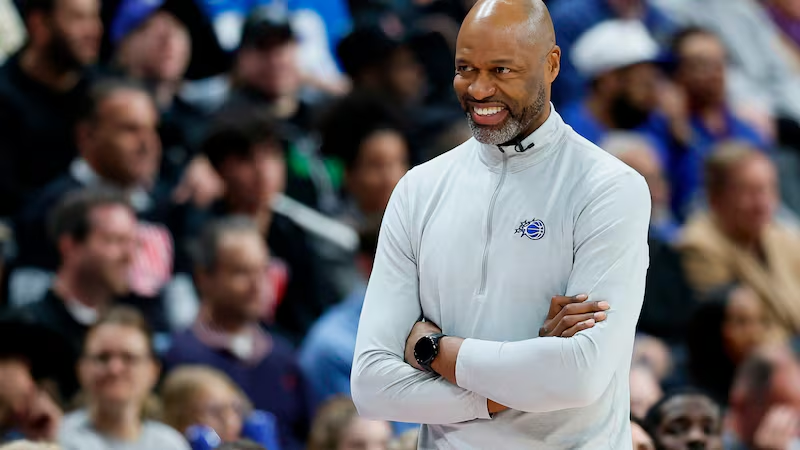
When Joe Dumars addressed the hiring of Mosley, he emphasized that the team was looking for “leadership, accountability, and vision necessary to move our franchise forward.” For too long, the Pelicans have played with an operational inconsistency that frustrated a loyal fanbase. The team would show flashes of brilliance, string together impressive wins, and then collapse into periods of uninspired defensive effort and stagnant offensive isolation.
Mosley’s presence changes the baseline expectations of the franchise. His teams play with a collective chip on their shoulder. In Orlando, he fostered an atmosphere where young players took pride in holding opponents under 100 points. They celebrated blocks and deflections with the same enthusiasm that other teams reserved for highlight-reel dunks. Changing a culture requires that level of systemic devotion.
The road ahead in the Western Conference is notoriously brutal. There are no easy nights, and a five-game slide can drop a team from home-court playoff positioning completely out of the play-in tournament picture. But as Phil Handy pointed out, Mosley is “always ready for whatever challenge is ahead.”
By combining the elite physical tools of this Pelicans roster with the tactical detail, communicative clarity, and defensive discipline of their new head coach, New Orleans is positioning itself for a sustainable, long-term ascent. The era of empty promises and unmet potential in the Big Easy is officially over. Under Jamahl Mosley, the Pelicans are finally ready to sit down, guard, and earn their path to greatness.