
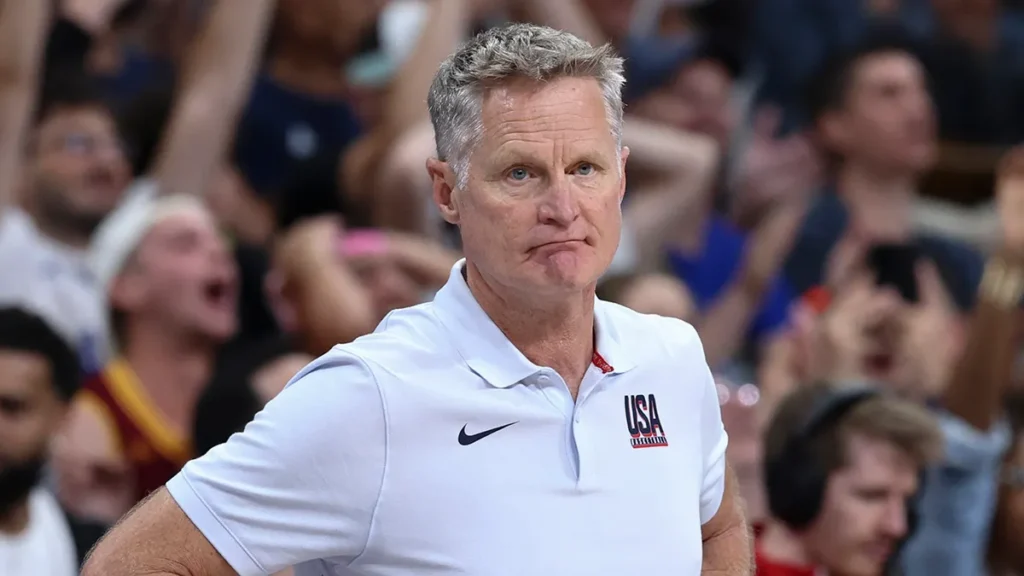
he 2025-26 NBA season has brought us to a breaking point that few could have predicted back in October. As we sit here in late April 2026, the Houston Rockets find themselves in a precarious position. Despite a stellar 52-30 regular season that secured the 5th seed, the Rockets are staring into the abyss—down 3-0 in their first-round series against the Los Angeles Lakers following a heartbreaking 112-108 overtime loss in Game 3.
With the “championship or bust” pressure mounting after the mid-season acquisition of Kevin Durant, the cracks in the current leadership are starting to show. If Tilman Fertitta decides that a change at the top is necessary to maximize Durant’s remaining window, the timing couldn’t be more serendipitous. In the Bay Area, the Golden State dynasty is effectively over. Following a play-in exit at the hands of the Suns, Steve Kerr is reportedly “50-50” on a return, with his contract set to expire and major media players like NBC and Amazon already circling him for a broadcasting return.
If Houston moves on from Udoka and Kerr officially exits the Bay, the Rockets must go all-in. It is the ultimate power move: reunite Steve Kerr with Kevin Durant to recapture that championship DNA and install a system capable of leading this young core into a new era.
The Tactical Advantage: Restoring the Flow
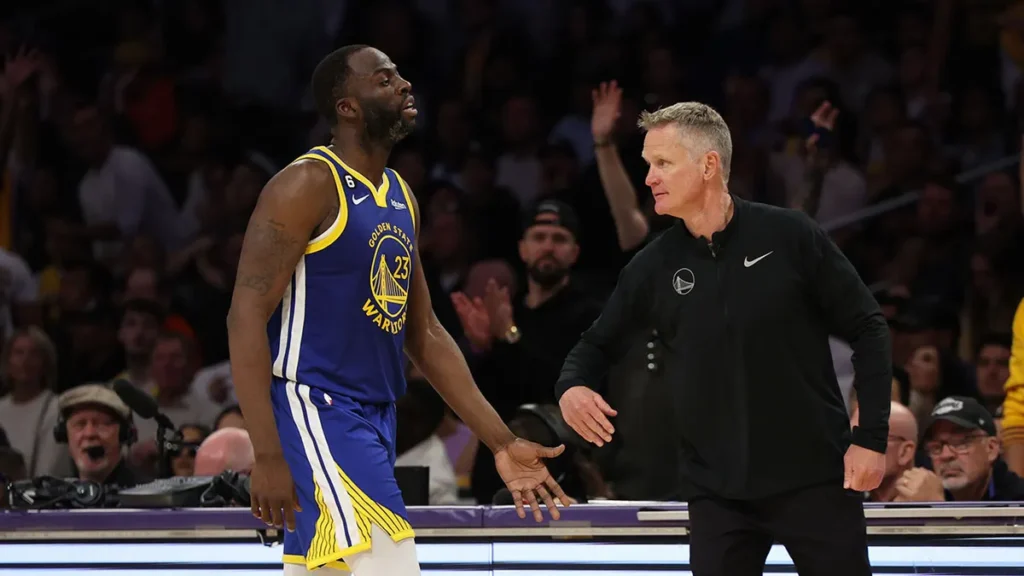
The potential for a Steve Kerr and Kevin Durant reunion in Houston represents a tactical shift that could redefine the franchise’s trajectory. During their time together in Golden State, Kerr and Durant were virtually unstoppable because Kerr mastered the art of integrating KD’s elite scoring into a fluid system that elevated everyone on the floor. Instead of falling back on the “your turn, my turn” isolation style that has bogged down Houston in this Lakers series—where Durant’s brilliance is often offset by stagnant ball movement—Kerr’s approach would prioritize collective gravity.
Beyond the Game: Culture and Growth
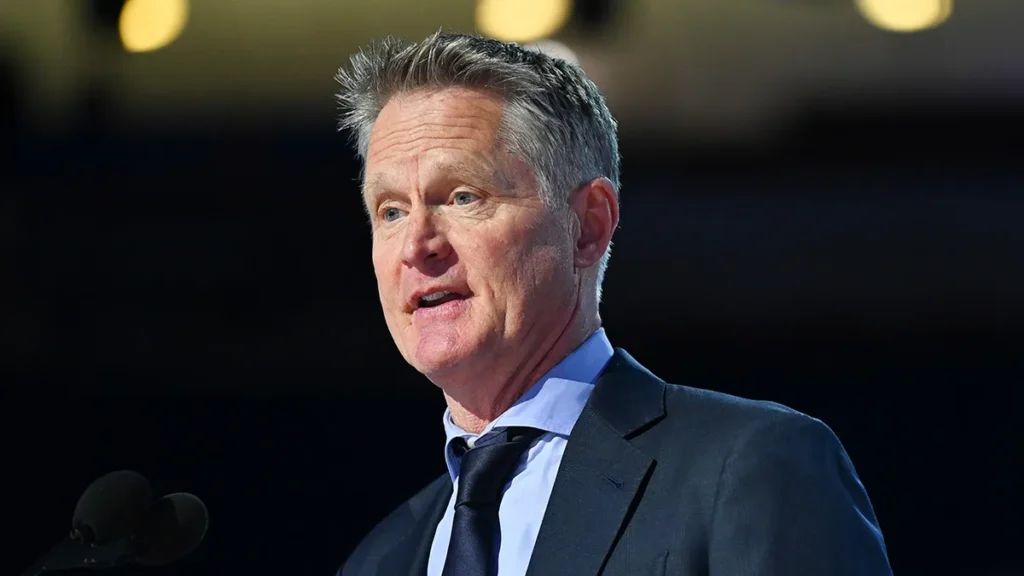
Kerr’s impact goes well beyond the X’s and O’s; he is widely respected for his emotional intelligence and a unique ability to navigate superstar egos while making role players feel essential. By bringing that “strength in numbers” philosophy to a roster stacked with high-IQ young talents like Alperen Şengün, Reed Sheppard, and Amen Thompson, Kerr wouldn’t just be managing talent—he’d be turning a group of individual stars into a disciplined, cohesive machine.
For a “mogul-model” organization like the Rockets, securing a four-time champion coach isn’t just about winning games; it’s about establishing a sovereign media and athletic ecosystem that commands respect globally. If Kerr is truly looking for a final challenge that allows him to mold a new generation alongside a familiar legend, Houston is the only destination that makes sense.