
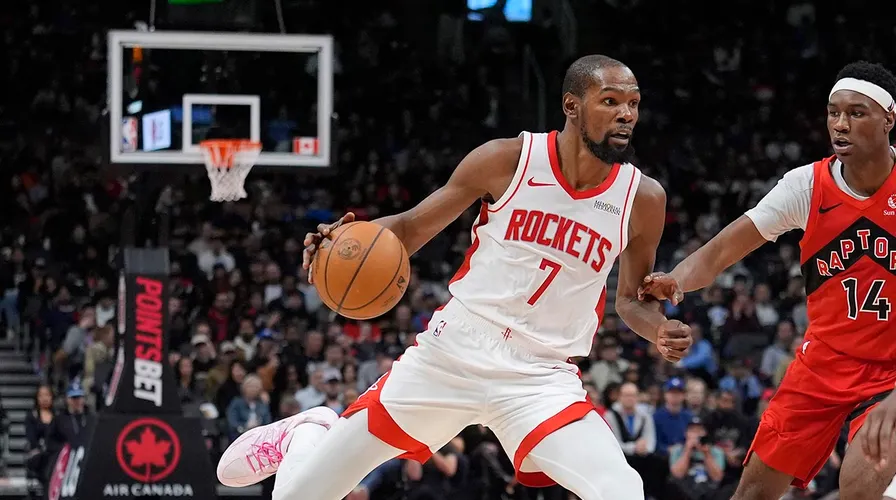
The landscape of professional sports is undergoing a seismic shift, moving away from the era of the athlete as a mere “endorser” toward a new reality where players are owners, operators, and equity stakeholders. Few people understand this transition better than Al Harrington. The 16-season NBA veteran has successfully navigated the treacherous waters of post-career entrepreneurship, becoming a titan in the cannabis industry with his brand, Viola.
In a wide-ranging and insightful conversation with Landon Buford, Harrington pulled back the curtain on several of the most discussed topics in the basketball world: the inevitable return of the Seattle SuperSonics, the savvy business maneuvers of Kevin Durant, and how the modern player is rewriting the rules of the corporate game.
The Emerald City’s Void: The Resurrection of the Sonics
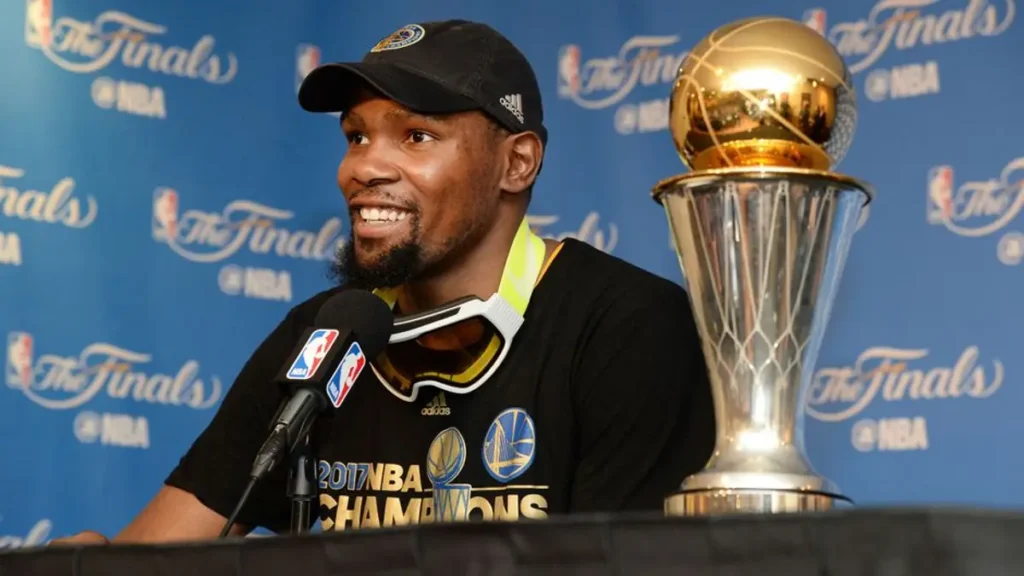
For fans of a certain vintage, the wound left by the Seattle SuperSonics’ departure in 2008 remains fresh. Seattle is a basketball mecca, a city that birthed legends and fostered one of the most vibrant fanbases in the league. As NBA expansion rumors reach a fever pitch, Harrington shared his thoughts with Buford on why a return to the Pacific Northwest isn’t just likely—it’s necessary.
Harrington emphasized that the league feels incomplete without the green and gold. However, the most compelling aspect of a potential Seattle revival is the involvement of Kevin Durant. Durant, the last active link to the original Seattle franchise (having played his rookie season there), has long been the subject of speculation regarding a future ownership stake in the team.
According to the report by Buford, Harrington views Durant as the perfect bridge between the Sonics’ storied history and their future. If the NBA expands, having a figure like Durant involved in the ownership group would provide immediate institutional knowledge and an emotional connection to the community that few other athletes could offer. It wouldn’t just be an expansion team; it would be a homecoming.
Kevin Durant: The Blueprint for the Player-Owner
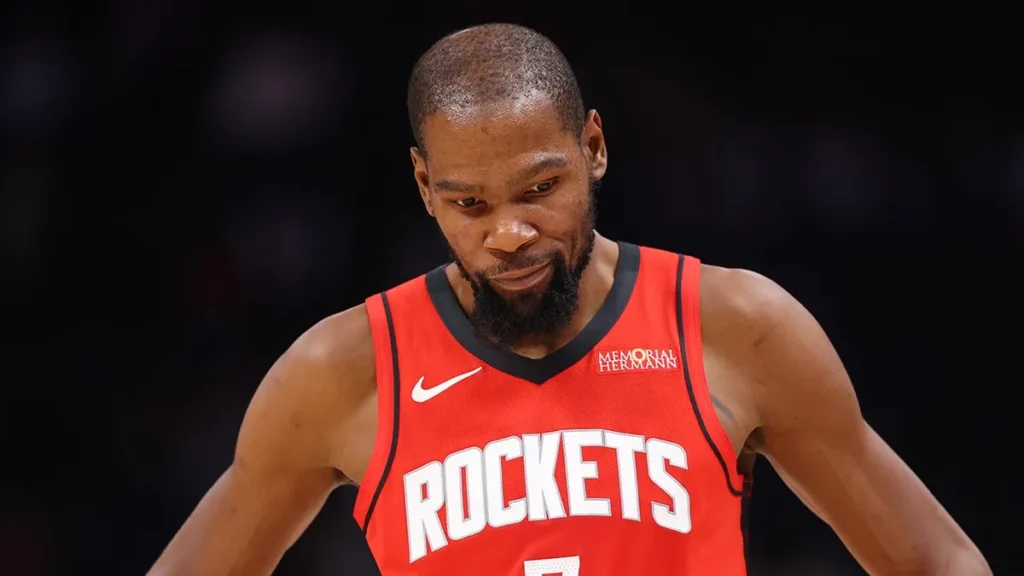
While Durant’s scoring prowess remains elite, Harrington is equally impressed by what the “Slim Reaper” is doing off the hardwood. Alongside his business partner Rich Kleiman, Durant has built 35V (Thirty Five Ventures) into a powerhouse.
Harrington pointed out to Buford that Durant’s approach is a radical departure from the “sneaker deal” era of the 90s and early 2000s. Durant isn’t just looking for a check; he’s looking for a seat at the table. From early-stage investments in tech giants like Postmates to his stake in the MLS side Philadelphia Union and his flourishing media network, Boardroom, Durant is practicing what Harrington calls “strategic leverage.”
“Players are starting to realize that their platform is more valuable than their salary,” Harrington noted during the interview. This shift in mindset allows players to trade their “clout” and marketing power for equity, ensuring that their wealth continues to grow long after their vertical leap begins to fade.
The Harrington Method: From the Hardwood to the Boardroom
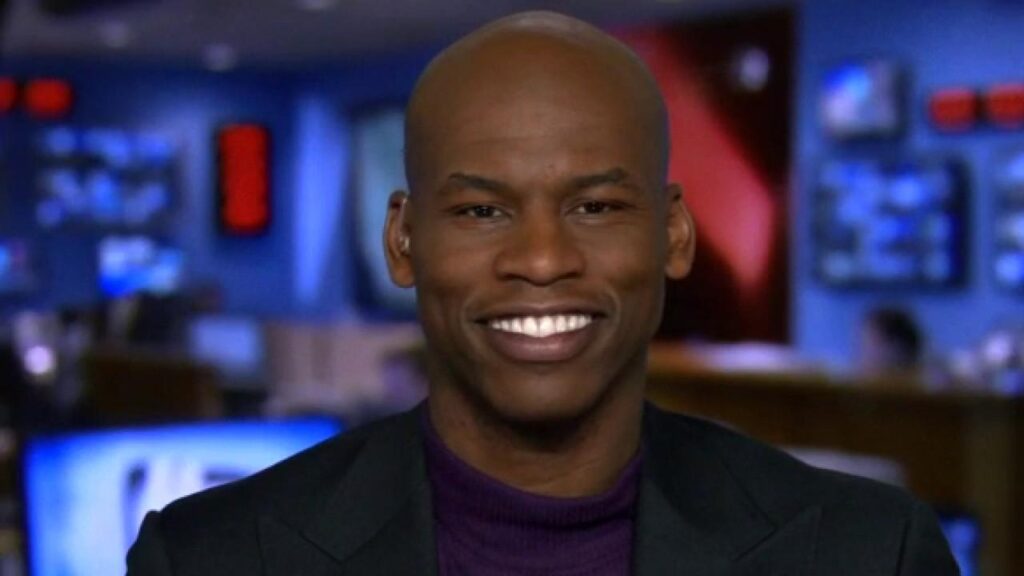
Harrington isn’t just an observer of this trend; he is a pioneer. Since retiring, he has dedicated himself to building an empire that serves a purpose. His company, Viola—named after his grandmother—was founded with the mission of increasing minority participation in the cannabis industry and providing social equity opportunities for those disproportionately affected by the War on Drugs.
Speaking with Buford, Harrington discussed the mental fortitude required to make the leap from athlete to executive. He admitted that the transition is often jarring. In the NBA, everything is scheduled and curated. In business, you have to build the schedule yourself. Harrington credits his success to the same discipline he used to survive 16 years in the league: an obsession with the “scouting report.” In business, that means doing exhaustive due diligence and surrounding himself with experts who challenge his thinking.
A New Era of Influence
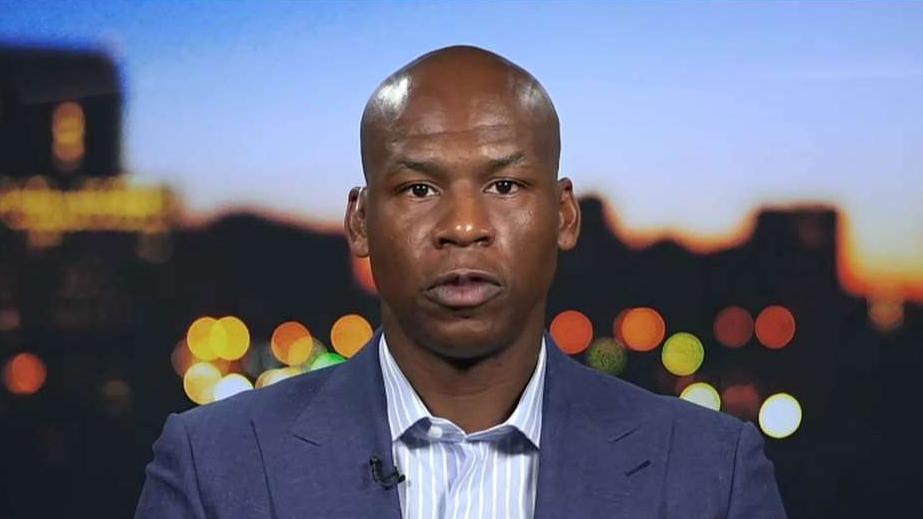
The conversation between Harrington and Buford highlights a broader trend: the “empowerment era” has moved past the trade request and into the venture capital space. Harrington’s insights suggest that we are entering a period where the barrier between the front office and the locker room is dissolving.
When we look at players like Durant, LeBron James, and Chris Paul, we see a generation that is no longer satisfied with being employees. They are building conglomerates while still leading their teams in points and assists. Harrington believes this is the ultimate win for the players’ union and the culture at large. By controlling the narrative and the capital, athletes are ensuring that the wealth generated by their likeness stays within their communities.
The Future of the League
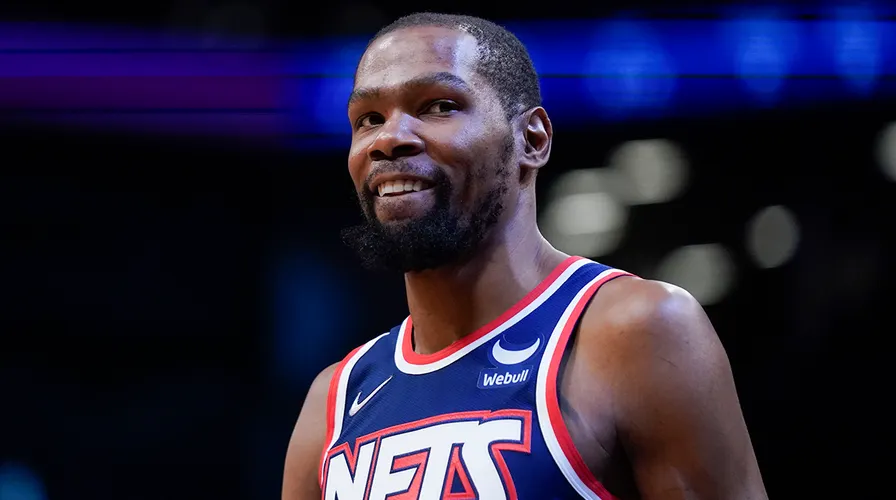
As the NBA looks toward its expansion into cities like Seattle and Las Vegas, the voices of veterans like Al Harrington become increasingly vital. He provides a roadmap for the “mid-level” player to become a high-level entrepreneur, proving that you don’t need to be a Hall of Famer to build a Hall of Fame business.
The synergy between Durant’s brand and the potential return of the Seattle SuperSonics represents the pinnacle of this new movement. It is a fusion of nostalgia, business savvy, and social impact. As Harrington told Buford, the goal is no longer just to play the game—it’s to own the game.
Final Thoughts
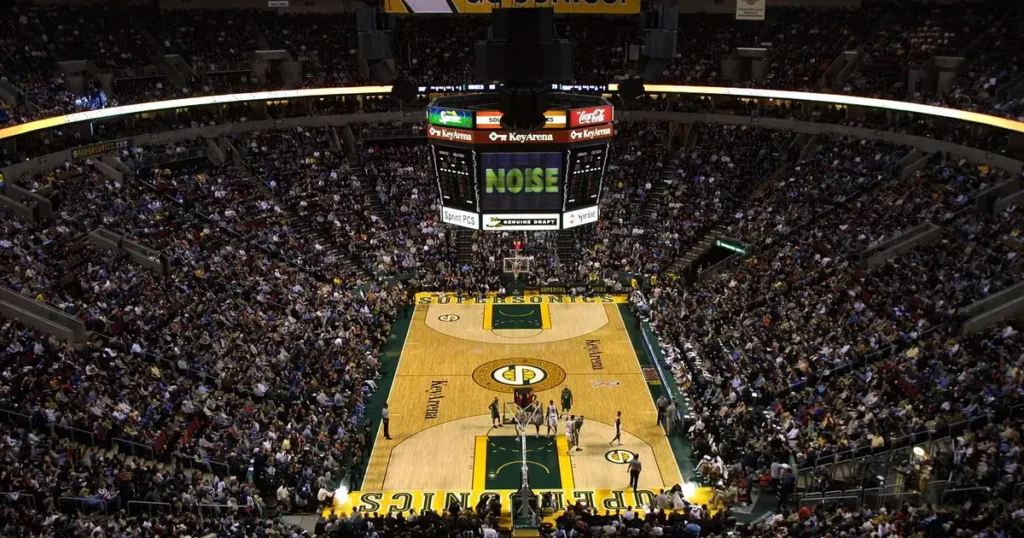
The insights shared by Al Harrington offer a rare glimpse into the sophisticated world of athlete-led business ventures. Whether it’s the return of a beloved franchise or the growth of a billion-dollar investment firm, the message is clear: the modern athlete is just getting started.