
In the modern NBA, accolades are the currency of legacy. We debate the All-NBA First Team with the fervor of a high-stakes trial. We scrutinize the Defensive Player of the Year race until the tape runs thin. We even have an award for the Clutch Player of the Year, ensuring that every hero arc is properly indexed and archived.
But as the league continues to expand its trophy case, a curious vacuum remains at the helm. While players are sorted into tiers of greatness every spring, the coaching fraternity remains tethered to a single, solitary individual honor: The Red Auerbach Trophy, awarded to the Coach of the Year.
It begs the question: In an era defined by tactical evolution and “super-coaching,” why isn’t there an All-NBA Coaching First Team?
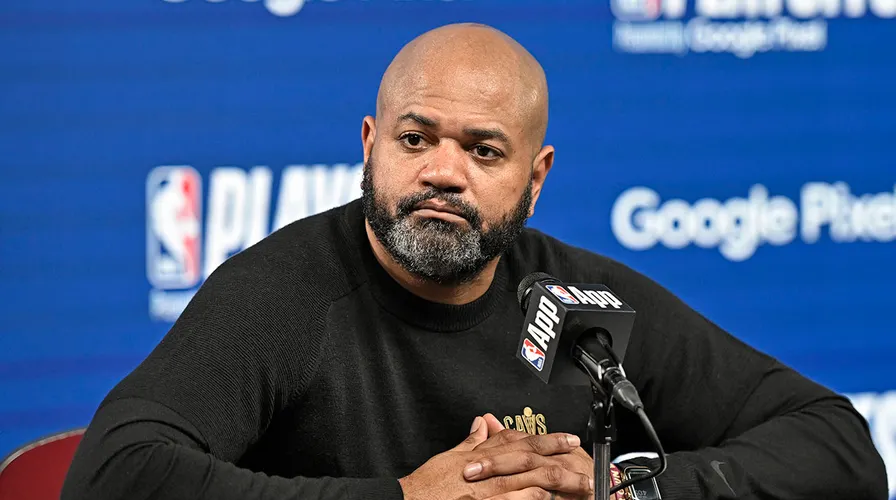
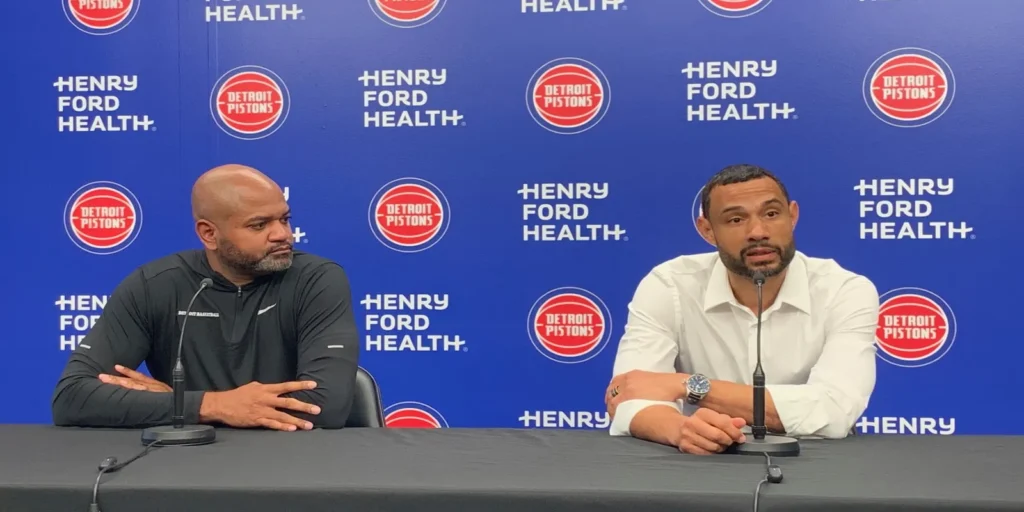
Today I floated the idea to Detroit Pistons head coach JB Bickerstaff.
Bickerstaff, a veteran strategist known for his pragmatic approach to team building and his deep respect for the “grind” of the profession, met the suggestion with a mix of amusement and a very telling brand of coaching stoicism.
“It’s a helluva of an idea,” Bickerstaff said with a laugh, leaning back.
“But, no.”
The Culture of the Background
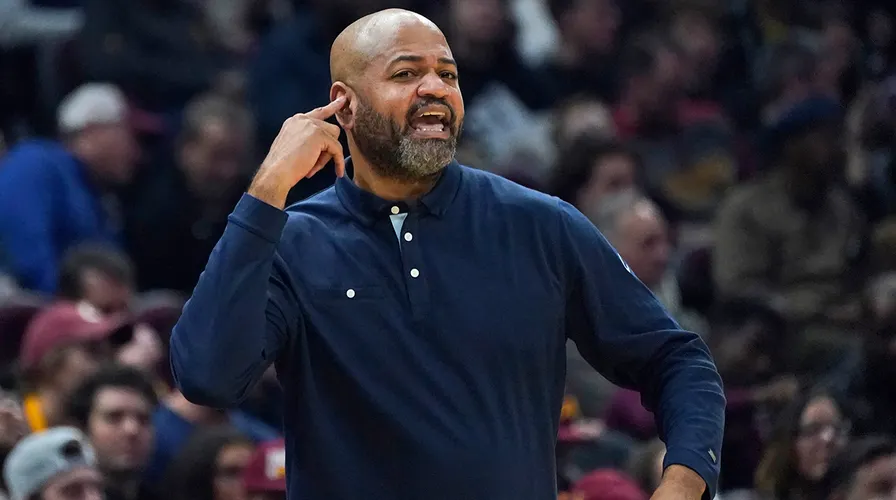
Bickerstaff’s immediate dismissal wasn’t born of a lack of ego—you don’t reach the level of an NBA head coach without a healthy amount of self-belief—but rather a fundamental understanding of the coaching “code.” In his eyes, the very nature of the job is antithetical to the pursuit of individual hardware.
“It’s just one of those things that you wouldn’t be able to get enough coaches on board, right?” he explained. “Like, those awards are well earned and well deserved, but they’re more for the players than they are for us. We go out and we do a job, and our job is to support those guys to the best of our abilities and put them in a position to be successful.”
This sentiment captures the paradox of the NBA head coach. In 2026, coaches are more visible than ever. They are mic’d up during national broadcasts, their challenge flags are the focal point of late-game drama, and their post-game press conferences are sliced into viral soundbites. Yet, the elite among them—the Bickerstaffs, the Spoelstras, the Kerrs—view themselves as the scaffolding, not the monument.
To Bickerstaff, an “All-NBA Coaching Team” would shift the focus away from the court and into the film room, a move that feels inherently “off” to those who wear the suit.
Redefining the Standard
The implementation of an All-NBA Coaching Team—spanning a First, Second, and Third Team—would theoretically bridge this gap by allowing the league to recognize diverse forms of excellence. It would provide a platform to honor the Overachiever, that coach who successfully transforms a lottery-bound squad into a legitimate playoff contender, as well as the Tactician, who masterfully maintains a top-tier system despite a revolving door of roster injuries. Furthermore, it would finally give due credit to the Standard-Bearer, the coach of a 60-win juggernaut who performs the exhausting task of keeping a veteran locker room motivated and disciplined throughout the long grind of a championship pursuit.
Historically, the Coach of the Year award hasn’t always gone to the best coach in the league; it frequently goes to the coach of the team that most exceeded preseason expectations. It is an award for the “biggest surprise.” This creates a strange reality where a coach like Erik Spoelstra—widely considered the gold standard of the profession—can go decades without winning the award simply because his excellence is expected.
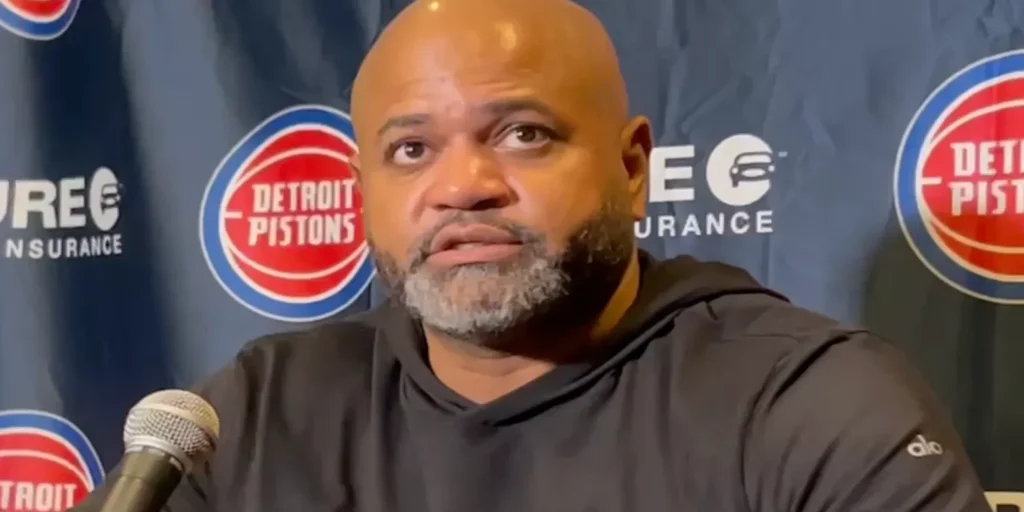
Yet, when I pressed Bickerstaff on who would actually make his hypothetical First Team ballot, he hit me with the “coaching wall” faster than a well-executed blitz on a pick-and-roll.
“I can’t do that, sorry,” Bickerstaff said with a chuckle.
The Brotherhood of the Bench
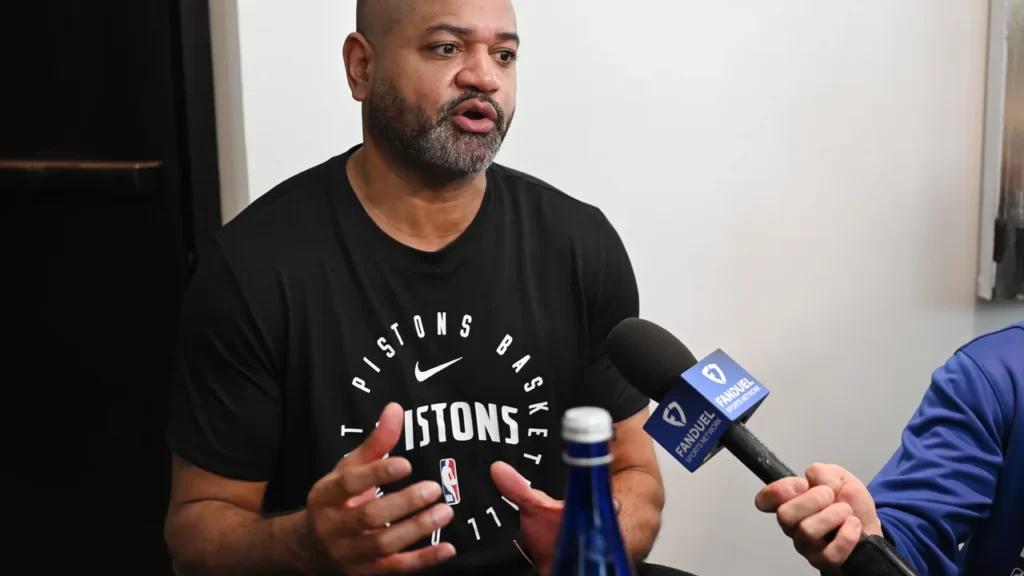
Bickerstaff’s refusal to name names highlights the intense, unspoken fraternity that exists among the 30 individuals holding these jobs. To name a “First Team” is to implicitly suggest that others are “Second Team.” In a profession where the average tenure is often shorter than a standard car lease, coaches are loath to rank one another.
There is a shared trauma in coaching—the late nights, the plane rides, the inevitable hot-seat rumors—that breeds a level of mutual respect. For Bickerstaff, the reward isn’t a plaque or a spot on a list; it is the tangible success of the players he mentors.”Our job is to support those guys to the best of our abilities and put them in a position to be successful.”
This philosophy is the heartbeat of Bickerstaff’s tenure in Detroit. For a young team looking to find its identity, having a coach who refuses to prioritize his own brand is a stabilizing force. It sends a message: The accolades are for you; the work is for us.
The Case for the Award (Despite the Resistance)
While Bickerstaff may not be on board, the basketball world at large might still benefit from such a distinction. If we look at the current landscape of the league, a “First Team” would provide a much-needed historical record of coaching eras.
Imagine a 2025-2026 All-Coaching First Team. You might see names like Joe Mazzulla for mastering the math of the modern game, or Mark Daigneault for the creative deployment of a position-less roster. By not having these teams, we lose the nuance of how the game was coached in specific windows of time. We remember who played, but we often forget the architects who drew the lines.
Ultimately, Bickerstaff is likely right. The “Coaches Association” is a powerful, unified body that prides itself on a “we, not me” mentality. Introducing a tiered ranking system could create unnecessary friction in a fraternity that relies on shared information and professional courtesy. Furthermore, without a clear metric beyond wins and losses, the award would likely devolve into the same “narrative-based” voting that Bickerstaff seems weary of.
Conclusion: The Silent Architects
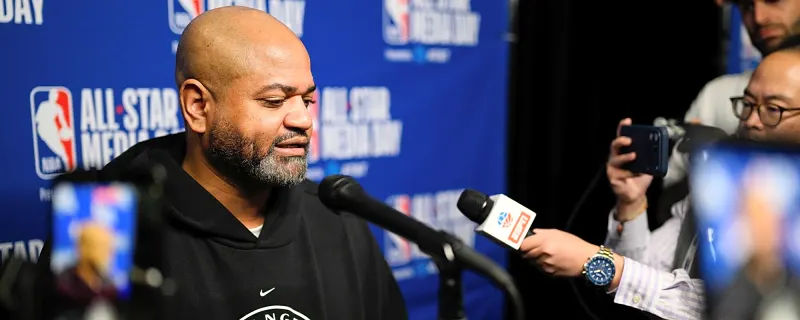
The NBA is a league of superstars, and the marketing machine will always favor the jersey over the pullover. JB Bickerstaff’s reaction to the “All-Coaching Team” is a refreshing reminder that, at least for some, the profession is still a service-oriented one.
While the media and fans may continue to debate who the “top five” coaches are, the men on the sidelines seem content to let the results speak for themselves. They are the silent architects of the greatest show on earth, and if Bickerstaff has his way, they’ll stay exactly where they belong: in the huddle, out of the spotlight, and entirely off the ballot. Bickerstaff might not give us his First Team, but his reasoning provides a masterclass in the humility required to lead.