
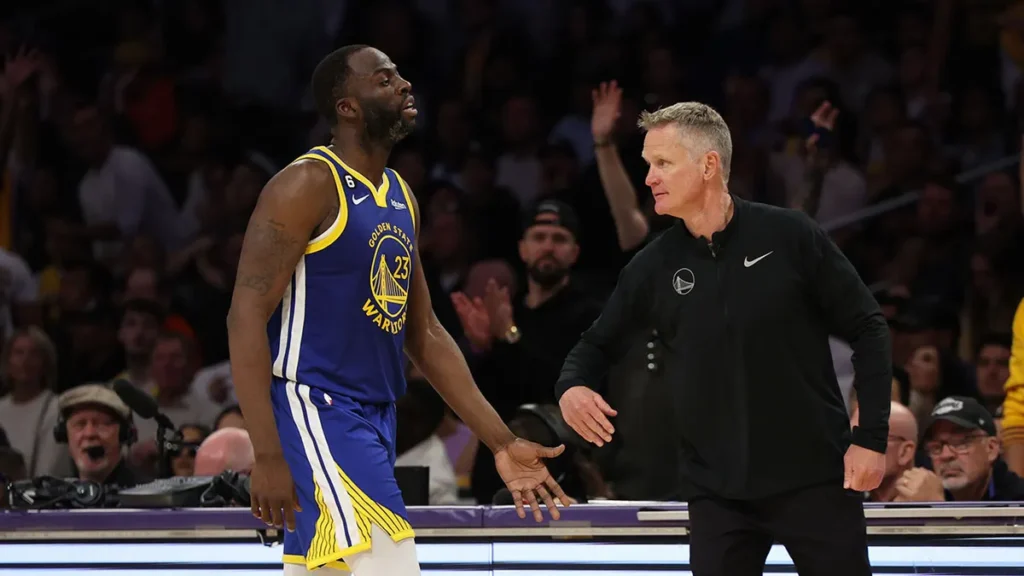
To understand the Golden State Warriors dynasty is to understand the friction and the brilliance of Draymond Green. For over a decade, Green has served as the emotional and defensive heartbeat of a team that redefined modern basketball.While Stephen Curry provided the gravity and the scoring, Green provided the grit. This partnership has yielded four championships and a basketball legacy that will be studied for generations.
Reflecting on Green’s legacy and his current role, Steve Kerr is unequivocal about the forward’s place in history. He views Green not merely as a supporting player, but as a primary engine of the most successful era in the franchise’s history.“Draymond is one of the great defenders of all time,” Steve Kerr told me.
He’s one of the great competitors, he’s one of the main reasons for this run. Obviously, he and Steph are the two drivers; Klay, Andre Iguodala [as well.] But Draymond is so unique, so different and that combination of that incredible brain; on defense especially and that fierce incredible desire, it’s set a tone here for a decade.”
That “tone” was often a mix of high-level tactical communication and raw, unfiltered intensity. It was the sound of Green barking out rotations before the opponent had even crossed half-court and the sight of him diving for a loose ball in a preseason game with the same fervor as a Game 7. However, as the Warriors transition into a new era, the challenge isn’t just about maintaining intensity—it’s about adaptation.
The Psychological Battle with Father Time
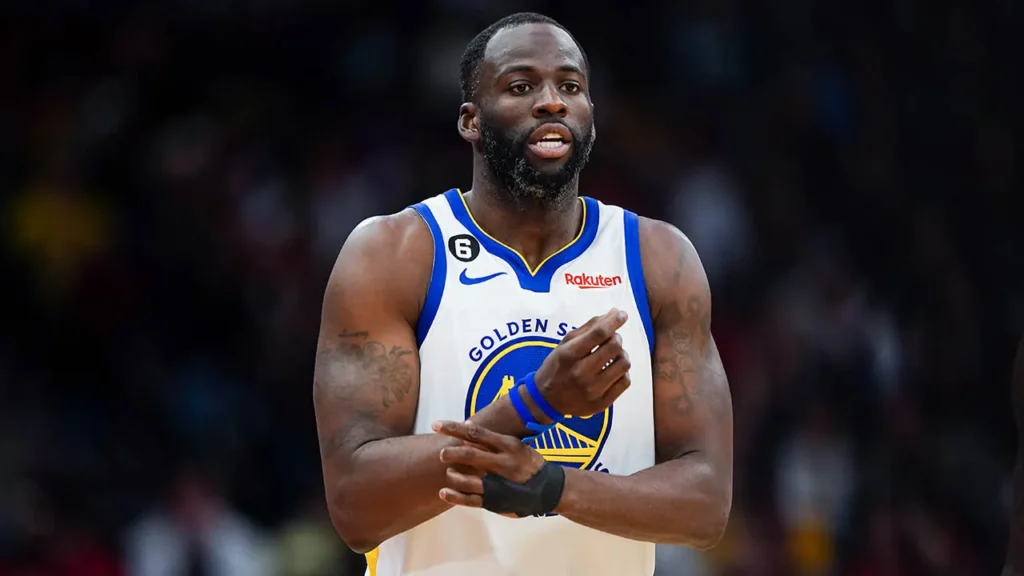
For an athlete who has built a Hall of Fame career on being an underdog and an instigator, the physical decline that comes with age isn’t just a hurdle; it’s a direct threat to their identity. Green was the 35th overall pick, a player many scouts thought was too small to guard centers and too slow to guard wings. He proved them all wrong by being “the baddest man on the planet.”
Kerr notes that Draymond’s greatest strength—his self-belief—is currently meeting its greatest test as the biological clock of an NBA career winds down.
“He’s just been an amazing winner and he can still help us win,” Kerr says. “That’s the challenge for him as he gets a bit older and the body doesn’t hold up like it once did. He’s got to use that brain without Steph [Curry], without Jimmy [Butler], we have to find different ways of attacking and different ways for him to be effective. That’s a big part of what we’re trying to do right now.”
The mention of playing “without Steph” or “without Jimmy” highlights the shifting sands of the Warriors’ roster and the physical reality of the modern NBA. Maintenance days and injuries become more frequent, forcing Green to lead younger, less experienced units. In these moments, the physical dominance he once exerted must be replaced by a purely cerebral mastery.
The psychology of the “Alpha” athlete is a double-edged sword. To compete at the highest level, one must possess a borderline delusional level of confidence. This confidence is what allowed Green to challenge LeBron James in the finals and anchor a defense against 7-footers.
“He’s convinced himself he’s the baddest man on the planet and so it’s been very effective for him,” Kerr observes. “But all of a sudden age starts to catch up with you and trying to convince yourself of that is much harder; but can you raise it and embrace it where you are and how you can be effective? Now that’s where I’m trying to help him, which is solely so he can finish the things the next couple of years how he wants to on his terms.”
The Jordan Comparison: Skill vs. Will
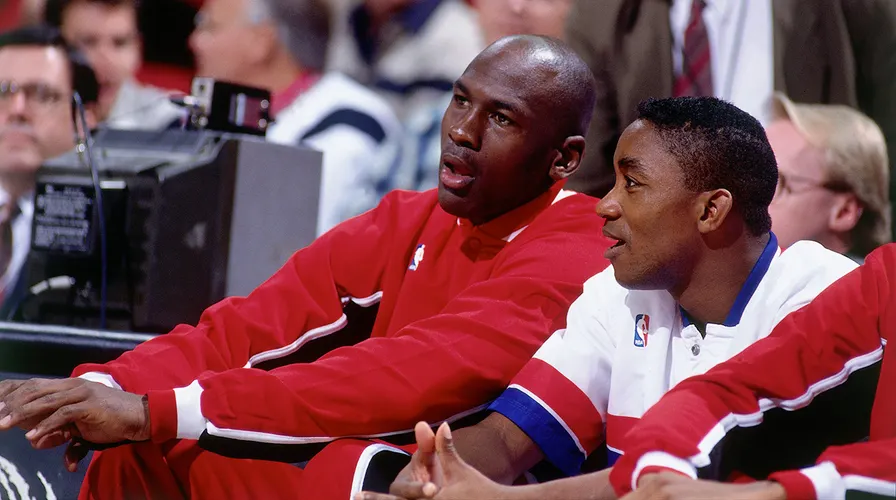
Kerr occupies a unique space in NBA history, having played alongside Michael Jordan during the Bulls’ second three-peat before coaching the Warriors. He has seen firsthand how the “Greats” pivot when their vertical leap disappears or their first step slows down.
When Jordan aged, he famously mastered the turnaround fadeaway and a lethal post-up game, transforming from a high-flying dunker into a mid-range assassin. He stopped trying to outrun the entire league and started outmuscling and out-thinking them. However, Kerr points out that the path for a defensive specialist like Green is much more cerebral than mechanical.
“Every player is different based on skill,” Kerr explains. “I think in general, the highly skilled players like Steph [Curry], tend to age better because they rely on their skill after their bodies fail them. It’s harder for a guy like Draymond who made his entire place in the league by being smarter and tougher and better defensively than other people and figuring out the game.”
While Steph can still pull up from 30 feet and use his world-class shooting gravity, Draymond’s utility is tied to his ability to cover ground. As that ground-coverage ability naturally wanes, the “brain” must work overtime. Unlike the scorers of the world, Green cannot simply “add a shot” to fix the problem of aging. His “shot” is his ability to read a play three seconds before it happens.
“So it’s not as simple as Draymond just to add a low post move like Michael Jordan did. It’s really about deciphering, ‘Alright, how are we playing now and without Steph and without Jimmy, what does this group have to do and how can I fit into that?’ That’s a discussion that he and I have had. We have talked about it in recent weeks.”
The Burden of the “Defensive Brain”
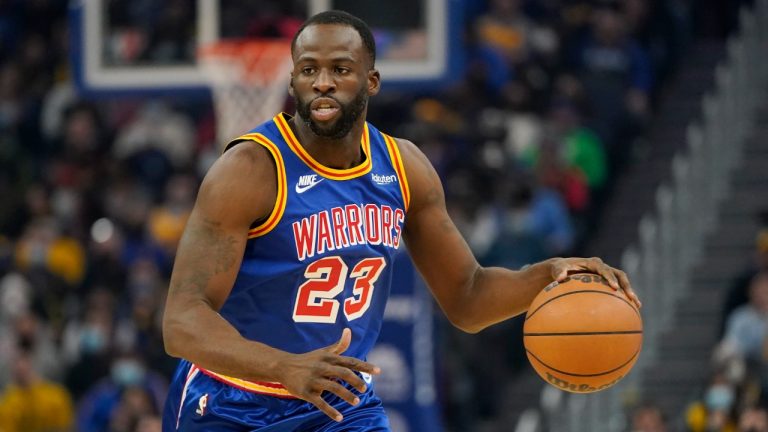
In recent seasons, the Warriors’ defensive rating has often fluctuated wildly based on Green’s availability. Statistics show that with Green on the floor, the Warriors’ defense often performs at a top-five level, but without him, it can slip toward the bottom of the league. This is because Green is not just a defender; he is a defensive coordinator.
Kerr’s reference to Green’s “incredible brain” speaks to the thousands of hours of film and the innate basketball IQ that allows a 6’6″ forward to negate the advantages of much larger players. As he ages, this intelligence becomes his primary weapon. He is the one ensuring that Jonathan Kuminga is in the right spot or that the team’s “yo-yo” positioning is synchronized.
Facing the Sunset with Dignity
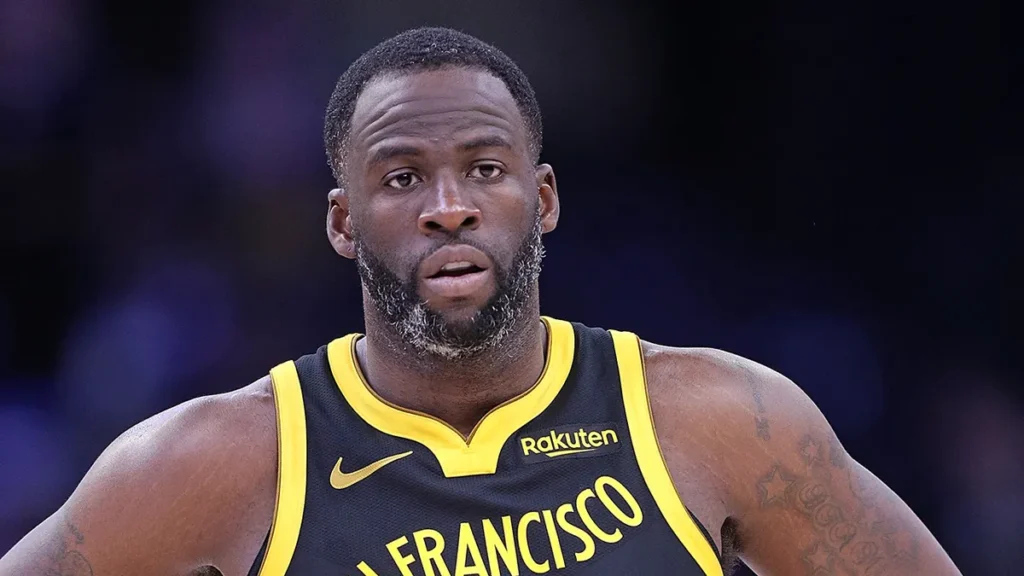
The final chapter of a legend’s career is often the most difficult to write. It requires a level of vulnerability that most elite competitors spent their entire lives suppressing. We have seen many greats struggle with the transition, often hanging on too long or becoming a shadow of their former selves in a different jersey.
According to Kerr, Green is meeting this moment with a surprising level of grace. The player often criticized for his volatility is showing a profound level of self-awareness.
“He’s just been awesome in the way that he’s treating this part of his career with dignity,” Kerr concludes. “He understands that it’s a tough time for every athlete when you’re nearing the end.”
For Green, the “end” isn’t here yet, but the transformation is well underway. He is learning to navigate the game not through force, but through finesse and mentorship. The “baddest man on the planet” is becoming something perhaps even more formidable: the wisest man on the court.
The partnership between Kerr and Green has always been one of mutual respect and frequent, heated debate. But as they enter this twilight phase of their dynasty, the focus has shifted from winning at all costs to winning with intent and finishing on their own terms.