
The “Greatest of All Time” debate is the heartbeat of basketball discourse. It is the fire that fuels sports talk radio, the catalyst for endless Twitter threads, and the ultimate “agree to disagree” moment in sports bars across the globe. We are obsessed with ranking, sorting, and quantifying greatness. We want a definitive answer: Who is the king of the court?
However, according to Phil Handy—one of the most respected developmental coaches in NBA history—the obsession with ranking might be the very thing preventing us from actually enjoying the game.
In a recent, illuminating conversation with Landon Buford of RG.com, Handy broke down his perspective on the trio that defines the modern era: Michael Jordan, Kobe Bryant, and LeBron James. Having spent years in the trenches with championship teams and training the elite of the elite, Handy’s “voice” carries a weight that few others can claim. He isn’t just a spectator; he was in the room when the work was done.
The Problem with the Comparison Era
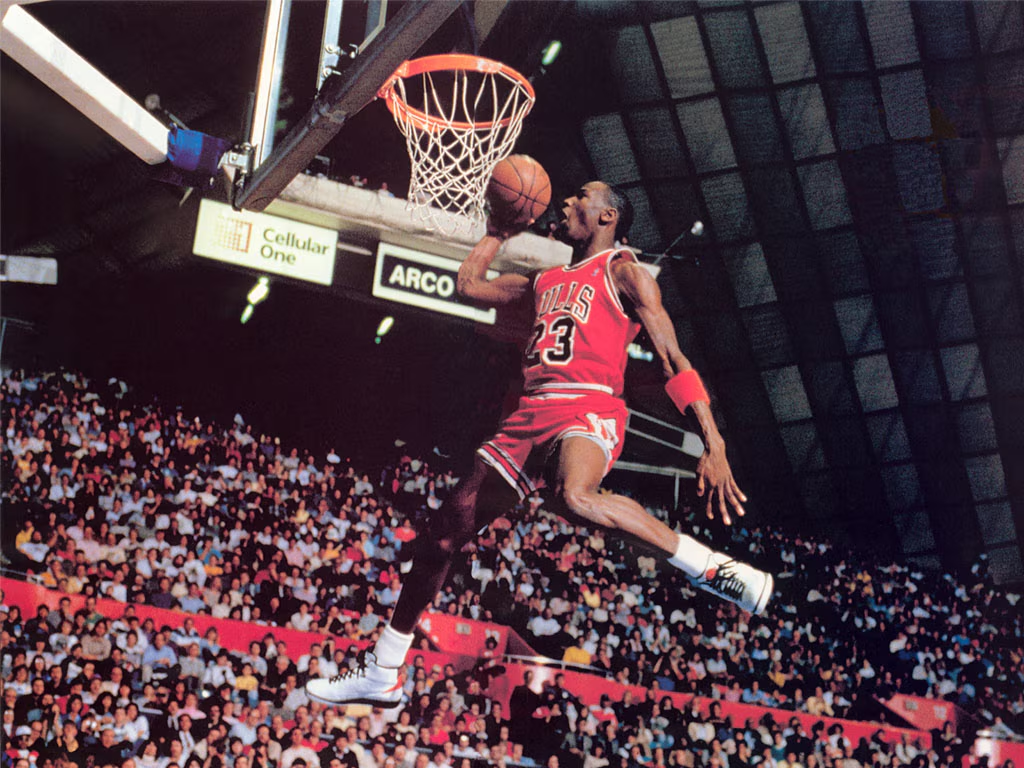
The crux of Handy’s argument to Buford is rooted in a simple truth that many fans ignore: basketball is not a static sport.
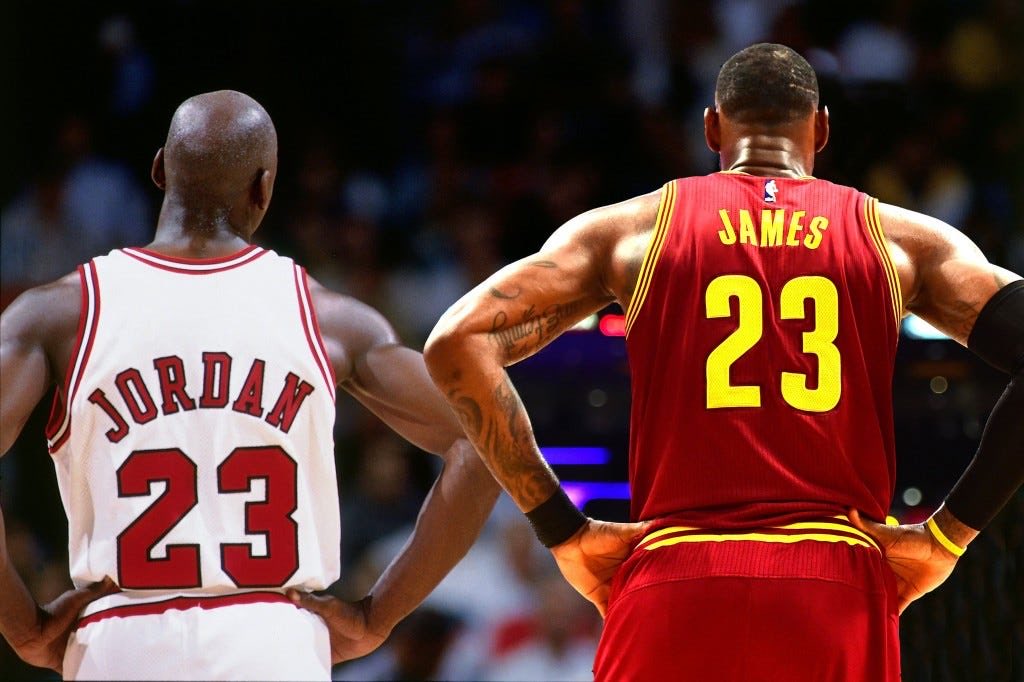
“I think the GOAT debate is a very hard thing to define because of the different eras,” Handy noted. This is the fundamental flaw in our ranking systems. When we compare Michael Jordan’s 1990s dominance to LeBron James’ modern-day longevity, we are comparing two different versions of basketball.
The 1980s and 90s were characterized by physicality, “hand-checking,” and a primary focus on the mid-range and post-up game. Today’s NBA is defined by space, the three-point revolution, and a lack of defensive contact that would have been unthinkable thirty years ago. Handy argues that by trying to force these players into a single list, we strip away the context that made them great in the first place.
Jordan was the perfect player for the rise of the global NBA. Kobe was the bridge that kept the fire burning. LeBron is the blueprint for the modern, positionless, “CEO” athlete. Each was the right player for their time.
The Ghost of 23: Michael Jordan and the Standard of Excellence
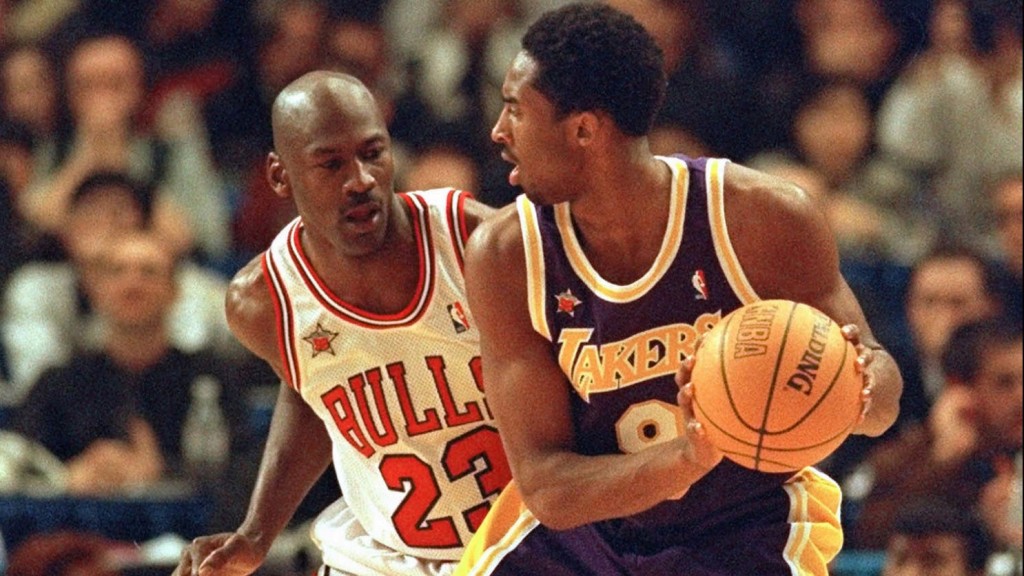
For many, Michael Jordan remains the “gold standard.” He has a 6-0 Finals record. He is the “shrug.” He is the flu game. In the interview with Buford, it’s clear that Handy respects the foundation Jordan laid.
Jordan’s greatness wasn’t just in his scoring titles; it was in the psychological warfare he waged on the league. He didn’t just want to win; he wanted to break the spirit of his opponent. This “killer instinct” is the metric by which every superstar since has been measured. When Handy discusses the GOAT debate, he acknowledges that for a specific generation, Jordan is untouchable because he redefined what a superstar looked like. He turned the NBA into a global powerhouse.
The Mamba Mentality: Phil Handy’s Front-Row Seat to Kobe Bryant
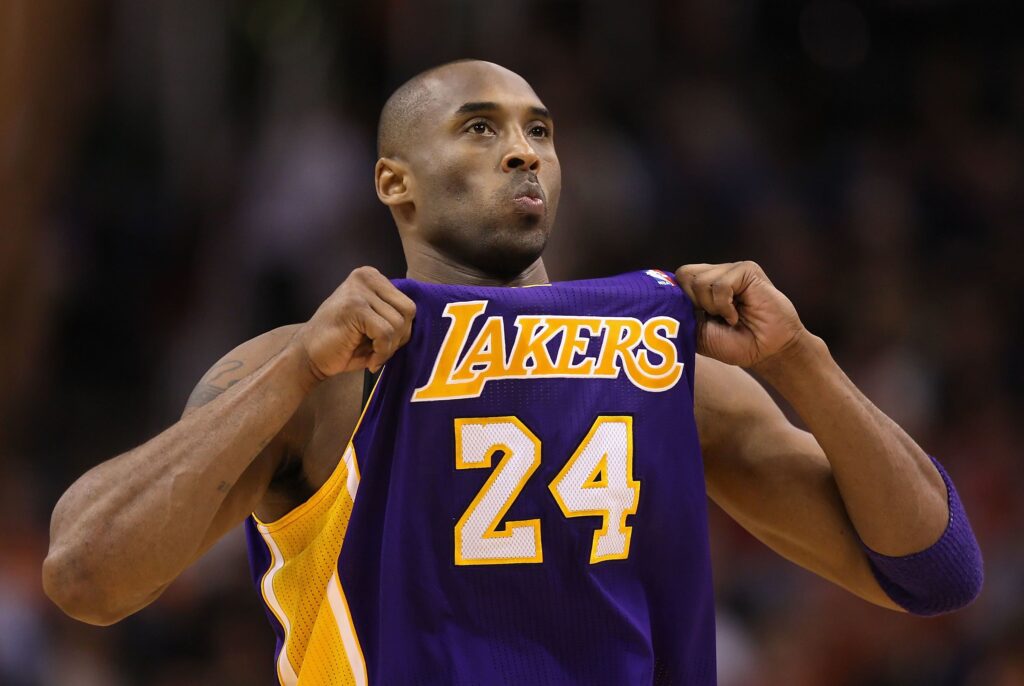
Few people outside of the Bryant family understood Kobe’s work ethic better than Phil Handy. When Handy speaks about Kobe to RG.com, there is a sense of reverence.
Kobe Bryant didn’t just play basketball; he obsessed over it. Handy witnessed firsthand the “Mamba Mentality”—a phrase that has become a marketing slogan for many, but for Kobe, it was a grueling, 24/7 lifestyle. Handy recalls the 4:00 AM workouts and the relentless pursuit of footwork perfection.
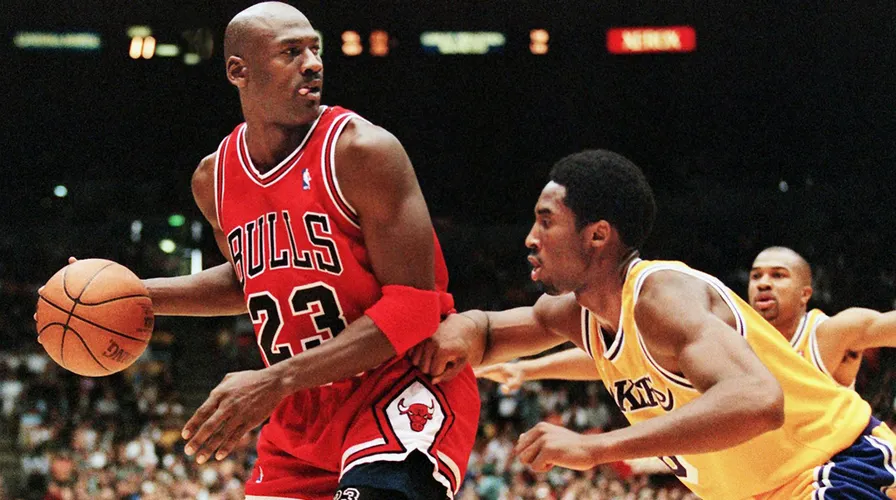
“Kobe was a master of the details,” many trainers say, but Handy emphasizes that Kobe’s greatness was his willingness to be bored by the basics. He would perform the same pivot, the same jab step, and the same follow-through thousands of times until it was muscle memory. While Jordan had the natural athletic peak and LeBron has the physical frame of a titan, Kobe’s claim to the GOAT throne was built on sheer, unadulterated will. Handy’s insights remind us that Kobe didn’t just want to be like Mike; he wanted to surpass the blueprint through labor.
The King’s Evolution: LeBron James and the Science of Longevity
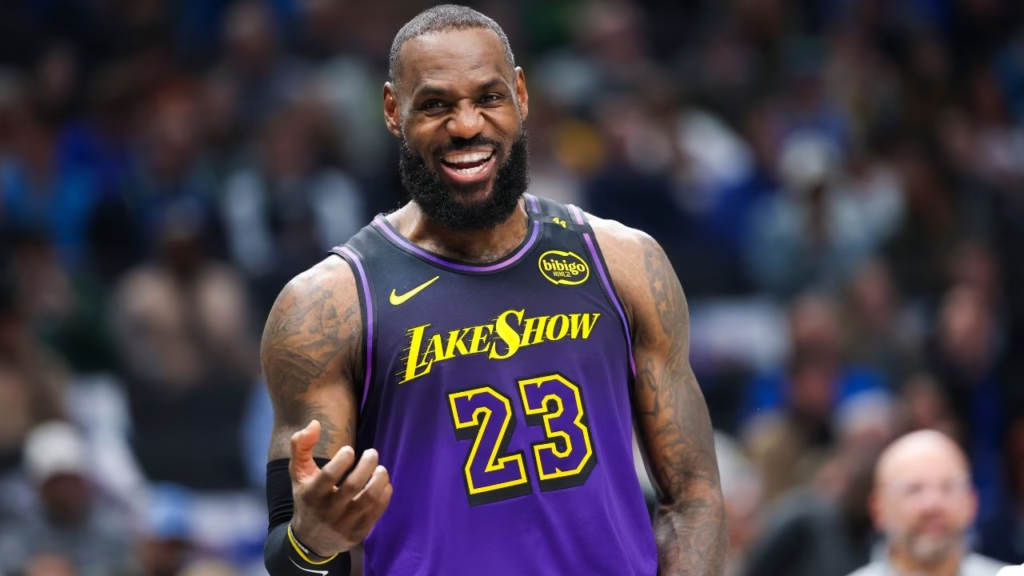
If Kobe was about the “grind,” LeBron James is about the “system.”
Having coached LeBron during championship runs, Handy has seen the internal mechanics of “The King.” In his talk with Landon Buford, Handy pointed to something often overlooked in the GOAT debate: LeBron’s basketball IQ.
LeBron James doesn’t just play the game; he orchestrates it. He sees plays three passes before they happen. But perhaps his most significant contribution to the debate is his unprecedented longevity. We are currently watching a player in his 21st season perform at an All-NBA level.
Handy suggests that LeBron’s ability to evolve—going from a high-flying rim-attacker to a playmaker, to a reliable three-point shooter—is a feat of intelligence. He has maintained his body with a scientific precision that has reset our expectations for how long an athlete’s prime can last. When Handy discusses LeBron, he’s discussing a player who has carried the weight of being “The Chosen One” since age 16 and somehow exceeded the impossible expectations placed upon him.
The Subjectivity of Greatness
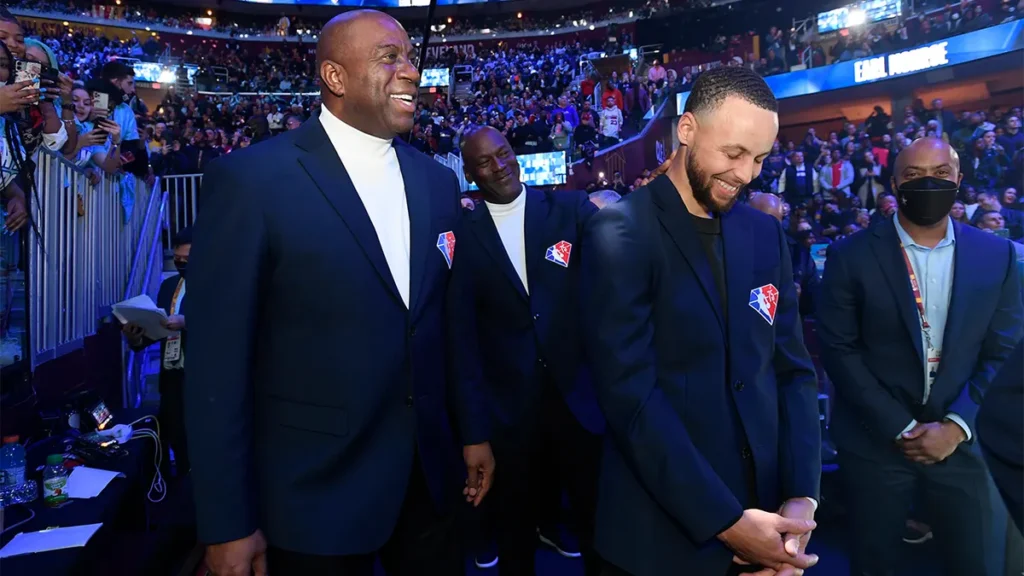
One of the most profound points Handy made to RG.com is that our “GOAT” is often just a reflection of when we fell in love with the game.
If you grew up in the 80s, your GOAT is likely Magic or Larry. If you grew up in the 90s, it’s Michael. If you are a child of the 2000s, it’s Kobe. If you are a “Gen Z” fan, it’s LeBron.
Handy argues that this subjectivity is actually a beautiful thing. It means the game is healthy. It means that every generation is being inspired by a new pinnacle of human performance. When we argue about who is better, we are really just arguing about whose style we prefer. Do you prefer Jordan’s dominance? Kobe’s artistry? Or LeBron’s total-package versatility?
By forcing a “correct” answer, we lose the ability to appreciate the nuances of the others. Handy’s message is a call for a “ceasefire” in the fan wars.
Why the Debate Matters (and Why It Doesn’t)
From a marketing and engagement perspective, the GOAT debate is the best thing that ever happened to the NBA. It keeps the league in the headlines during the off-season and creates a narrative arc that spans decades.
However, from a basketball perspective—the perspective Phil Handy lives in every day—the debate can be a distraction. For a coach, the goal isn’t to decide who the best ever was; it’s to help the current player reach their own personal ceiling.
Handy’s work with players is about the process. In the interview with Buford, you can hear the heart of a teacher. He wants us to look at the how and the why of these players. He wants us to see the footwork, the film study, the recovery sessions, and the sacrifices. When we reduce these three legends to a ranking (1. MJ, 2. LeBron, 3. Kobe, for example), we ignore the thousands of hours of work that Phil Handy saw in the dark gyms when the cameras weren’t rolling.
Final Thoughts: A Legacy of Three
Phil Handy’s conversation with Landon Buford serves as a much-needed reality check for the basketball community.
We are currently living in an era where we can watch highlights of all three men with the click of a button. We can see Jordan’s flight, Kobe’s fadeaway, and LeBron’s chase-down blocks in high definition. Instead of using those tools to tear one player down to prop another up, Handy suggests we use them to study the evolution of greatness.
Michael Jordan gave the NBA its wings. Kobe Bryant gave it its soul and its work ethic. LeBron James gave it its future and its blueprint for longevity.
As Phil Handy rightly pointed out to Landon Buford, we shouldn’t be looking for a winner of the debate. We should be realizing that as fans of the game, we’ve already won by getting to witness all three.
The next time you find yourself in a heated debate about rings, PPG, or “clutch genes,” remember the words of a man who was actually there. Greatness doesn’t need to be ranked to be recognized.