
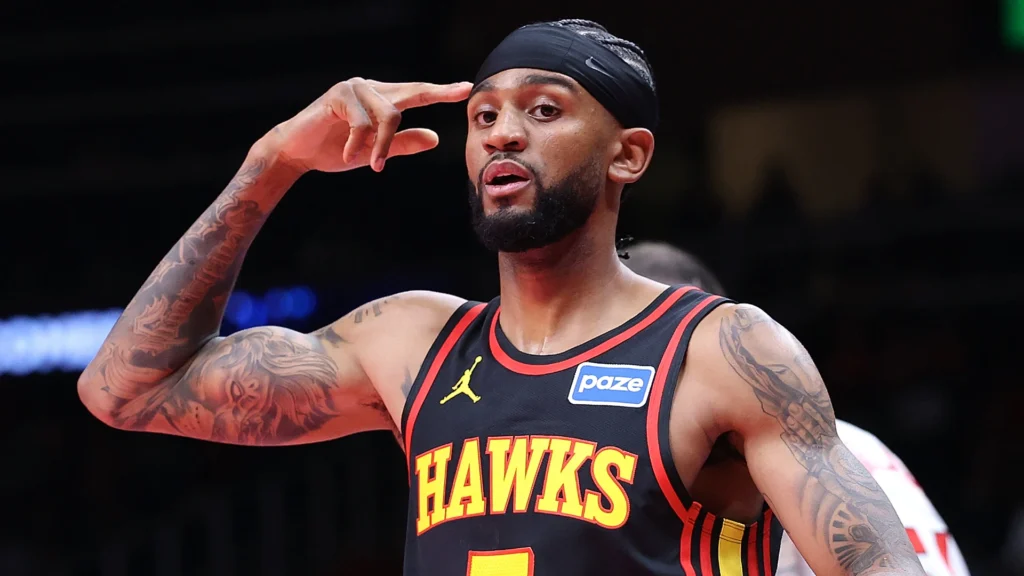
In the high-octane world of the NBA, the schedule is a relentless march of cities, shootarounds, and film sessions. But there are certain dates on the calendar that transcend the standings. For the league, Martin Luther King Jr. Day is more than just a marathon of nationally televised games; it is a spiritual anchor. It is a day where the hardwood serves as a stage for reflection on civil rights, sacrifice, and the ongoing pursuit of equality.
When I chatted with Nickeil Alexander-Walker this afternoon, the versatile guard known for his defensive tenacity and cerebral approach to the game, we weren’t just talking about defensive rotations or three-point percentages. We were standing in Atlanta—the cradle of the Civil Rights Movement and Dr. King’s “hood”—discussing the global resonance of an American icon through the eyes of a Canadian athlete.
A Perspective from Across the Border
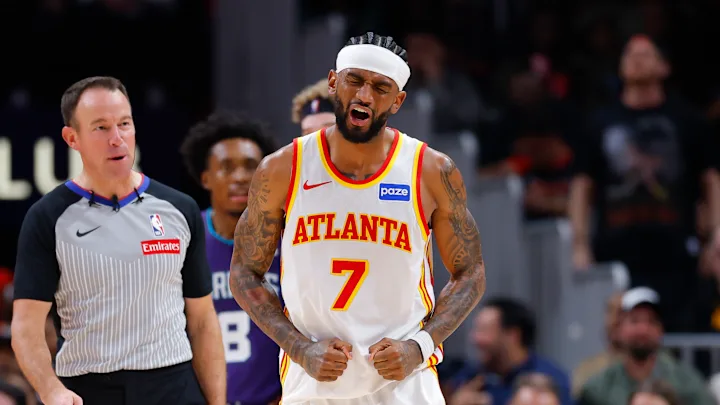
For those born and raised in the United States, MLK Day is woven into the fabric of the academic and social calendar from birth. In Canada, however, the day doesn’t carry the weight of a national federal holiday. Yet, as Alexander-Walker explains, the distance didn’t diminish the message; it simply framed it as part of a broader, global narrative of human rights.
“As a kid you learn about it, you don’t have the feelings of the impact,” Alexander-Walker told me today while reflecting on his upbringing in Toronto. “So it’s American history, French history, we have world history. For us, that’s what we learn about. And we know who Martin Luther King is and what he’s meant to people of color.”
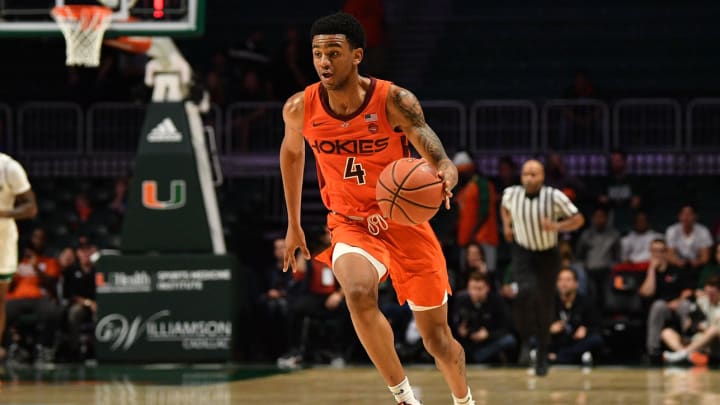
This “World History” lens is an important distinction. To a young Nickeil, Dr. King wasn’t just an American figure; he was a standard-bearer for a universal struggle. But as he migrated south to pursue his basketball dreams—first at Hamilton Heights Christian Academy in Tennessee and later at Virginia Tech—the abstract history lessons began to take on a visceral, lived reality.
Living the History: From Toronto to Tennessee
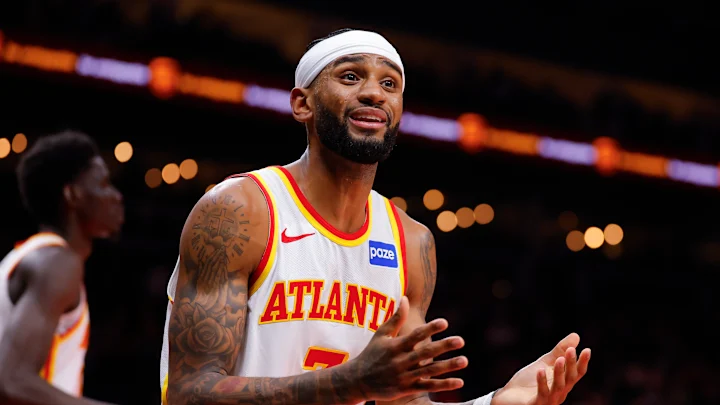
The transition from the multicultural mosaic of Toronto to the American South is a journey many Canadian players make, but few articulate the cultural shift as poignantly as Nickeil. Moving to Tennessee placed him in the heart of the region where the Civil Rights Movement was fought on the front lines.
“Even myself, even though I’m Canadian, when you see me, you don’t see Canada. You know what I mean? So learning that and living in America, living in Tennessee, being in the South… I honestly just understand the gravity in a time where people couldn’t feel safe being themselves.”
This is a profound realization for any athlete. The jersey doesn’t shield you from the history of the land you stand on. Alexander-Walker recognizes that his identity as a Black man precedes his identity as a Canadian in the eyes of the world. By living in the South, the “gravity” of Dr. King’s mission moved from the pages of a textbook into the very streets he walked.
The NBA’s Pilgrimage
Throughout his career, Alexander-Walker has found himself playing in the most symbolic locations on this holiday. From the jazz-infused streets of New Orleans to the deeply historic corridors of Memphis—where Dr. King spent his final moments at the Lorraine Motel—the NBA schedule has acted as a guided tour through the legacy of the movement.
“During my playing career, I’ve played in New Orleans, when we played in Memphis on MLK Day,” he noted. Playing in Memphis on this day is often described by players as a “heavy” experience—a somber but beautiful reminder of the stakes involved in the fight for dignity.
The Freedom to “Be Whatever You Want”
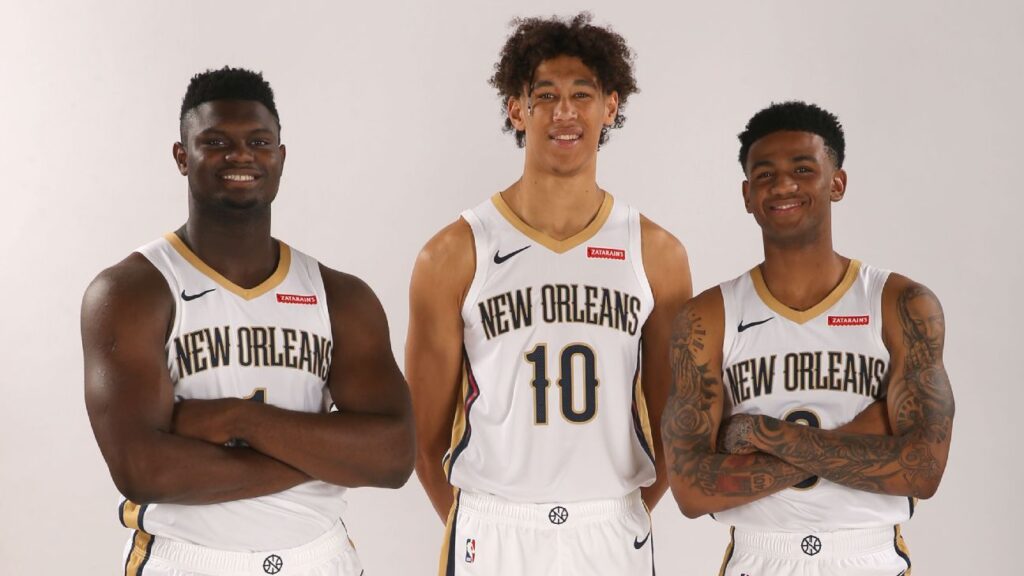
One of the most insightful parts of our conversation centered on how Nickeil views the modern world as a direct result of Dr. King’s “sacrificial” life. In an era where athletes are encouraged to have voices, brands, and multifaceted identities, Alexander-Walker sees the hand of Dr. King in that autonomy.
“You look at today, and it’s be whatever you want, literally,” Nickeil said. “And it’s cool to see that the change he’s made that gives people that freedom to do something. Someone just had to really hone in on, ‘I believe this is right,’ and being that sacrificial lamb, so to speak, for people to follow, to feel safe to do it.”
This concept of the “sacrificial lamb” is particularly striking. It acknowledges that the comforts and freedoms enjoyed by modern athletes—the ability to speak out on social issues, to command massive platforms, and to move freely through society—were bought with a price.
The Modern Athlete’s Responsibility
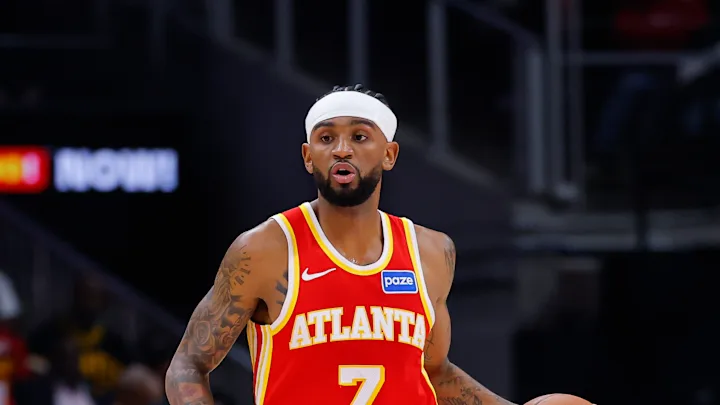
For Nickeil, the “freedom to be” isn’t just about personal expression; it’s about the safety to exist. He highlighted a stark contrast:
- The Past: A time where “people couldn’t feel safe being themselves.”
- The Present: A world where “it’s cool to see the change he’s made.”
By acknowledging this, Alexander-Walker positions himself as a steward of that freedom. He isn’t just playing a game; he is participating in a legacy that allows him to be a Canadian, an athlete, an intellectual, and a Black man in America simultaneously and without apology.
Full Circle in the A-Town
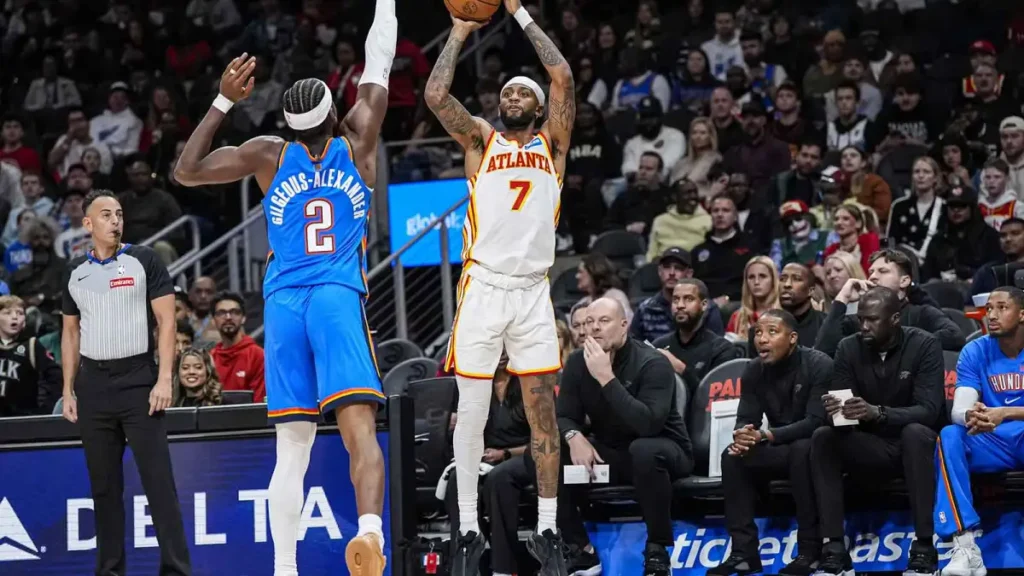
Our conversation took place as the energy of Atlanta buzzed around us. For any student of history, being in Atlanta on MLK Day is a “full circle” moment. It is the city where King was born, where he preached, and where he is laid to rest.
When I pointed out the significance of being in Dr. King’s “hood” for this interview, Nickeil’s response was immediate and sincere: “Yeah. For sure. Yes. 100%.”
There was a sense of reverence in that short affirmation. To play in the city that shaped the man who shaped the world adds a layer of depth to the mid-season grind. It turns a standard game into a tribute.
Final Thoughts: A Legacy Without Borders
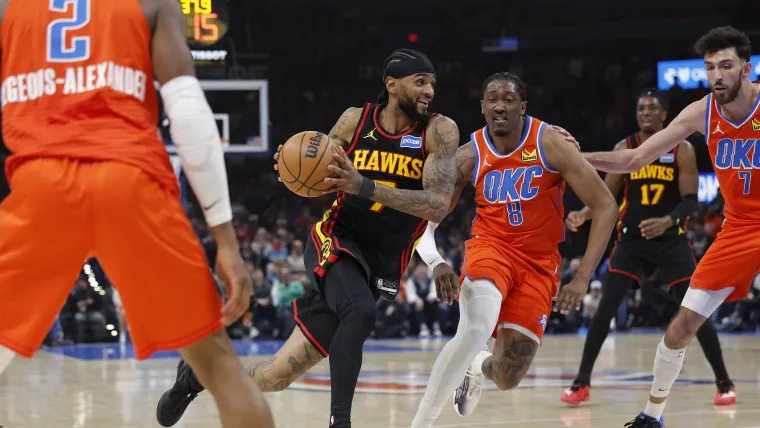
Nickeil Alexander-Walker’s perspective serves as a reminder that the message of Dr. King is not confined by geography. You don’t have to be from Atlanta or Memphis to feel the “gravity” of the movement.
As a Canadian playing at the highest level of American sport, Nickeil embodies the progress Dr. King dreamed of—a world where talent and character are the primary currencies, and where an individual has the “freedom to do something” extraordinary.
“That’s why we’re here today,” Alexander-Walker concluded. “And it’s really cool to have this opportunity.”
As the buzzer sounds on another MLK Day, it’s clear that for players like Nickeil, the day is less about the final score and more about the path that was cleared long before they ever picked up a basketball.