
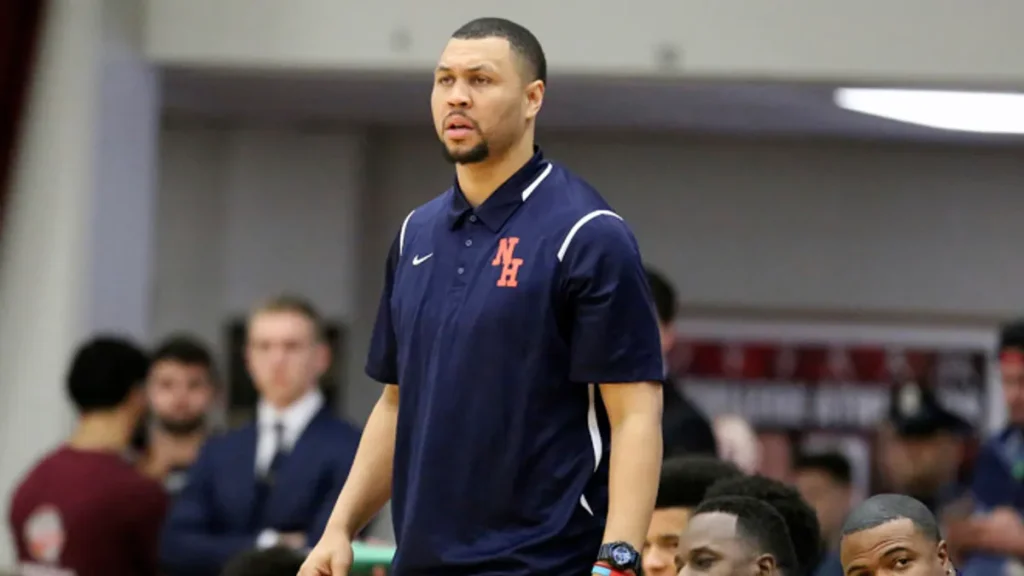
When the 2026 Basketball Hall of Fame ballot was released in December, one name sent a specific ripple of nostalgia and respect through the basketball community: Brandon Roy. While his career was tragically cut short by degenerative knee issues, his presence on the ballot has reignited the sport’s most persistent Hall of Fame debate: Does a player’s absolute peak outweigh their total years of service?
According to veteran coach Phil Handy, the answer is a resounding yes.
A Scouting Report, Not a Eulogy
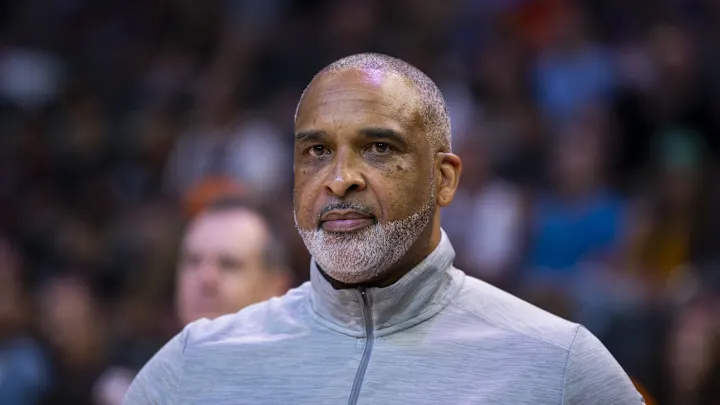
Now an assistant coach with the Dallas Mavericks, Handy recently weighed in on Roy’s legacy, stripping away the “what-if” labels to focus on the reality of the player Roy was at his height.
“Before his injury, Brandon Roy was arguably… the best two-way player,” Handy said. “Anybody that knows the game… he was a serious problem.”
As writer Landon Buford notes, this isn’t just nostalgia talking. In the world of professional basketball, being described as a “serious problem” is specific scouting language. It suggests a player who forced opposing coaches to abandon their primary game plans. Handy’s emphasis on Roy’s two-way impact—not just his late-game heroics—provides voters with a more holistic view of his Hall of Fame worthiness.
The Resume: Short, But Elite
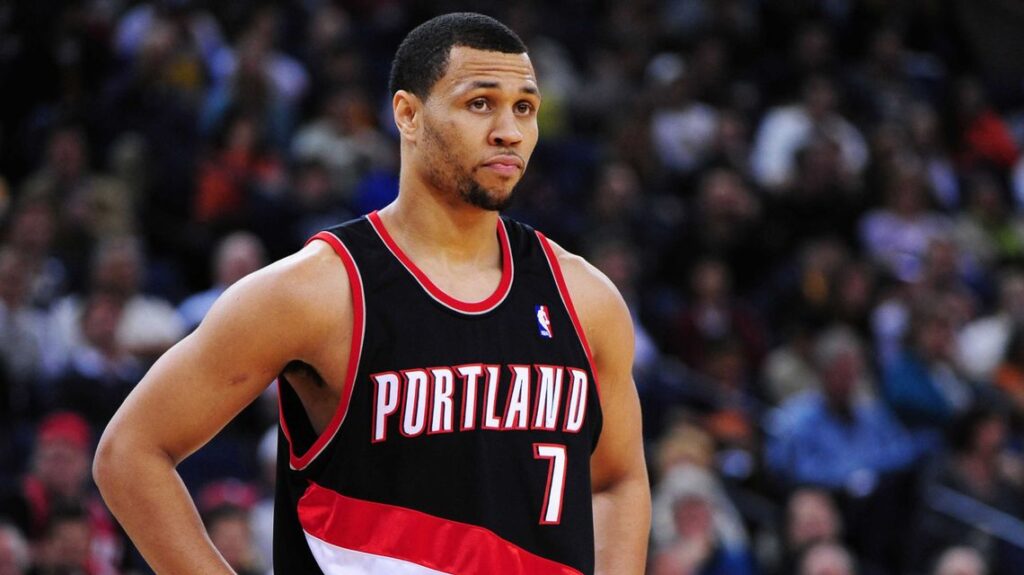
While Roy only played five full seasons before his knees forced him into early retirement, those years were spent in the upper echelon of the league. His credentials remain a testament to his immediate dominance:
- Rookie of the Year (2006–07)
- Three-time All-Star (2008–2010)
- Top-10 MVP finish (2008–09)
- All-NBA Second Team (2009) & Third Team (2010)
- Post-NBA Excellence: Multiple state titles as a high school coach and a national High School Coach of the Year honor.
A Growing Chorus of Greatness
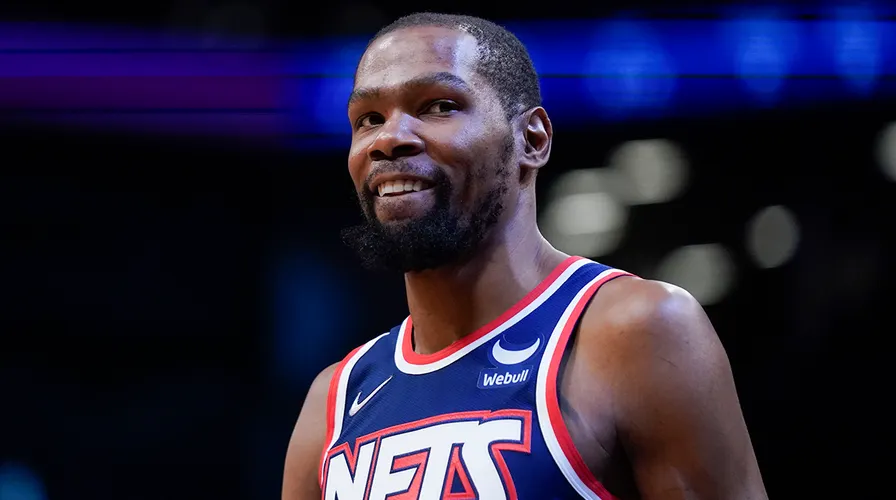
Handy isn’t alone in his assessment. He joins a long list of legends who view Roy as a peer of the highest order. Jamal Crawford famously called Roy’s game “flawless,” while Kevin Durant has consistently cited Roy as one of the toughest covers he ever faced. Even Jason Kidd has acknowledged that while the career was short, the level of play Roy maintained in Portland was undeniably elite.
As the discussion around Durant and Crawford’s perspectives continues to gain traction, the narrative is shifting. The Hall of Fame has historically favored longevity, but Brandon Roy’s case challenges voters to prioritize the sheer quality of a player’s prime.
The peak was undeniable. Now, the question is whether the Hall of Fame will recognize it as enough.