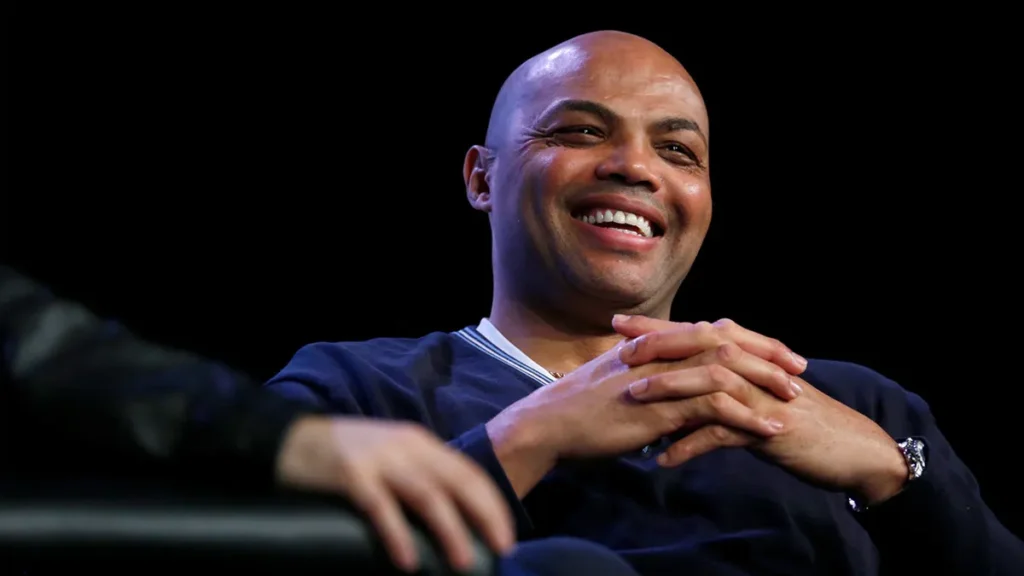
In April 2017, I spoke with Charles Barkley on Scoop B Radio during a highly charged political climate. At the time, the country was navigating the early months of a new administration, and Sir Charles—never one to shy away from the “third rail” of politics—delivered a “buttoned-up” perspective that focused on the office rather than the individual. His stance was simple: once the election is over, the goal should be the success of the leader, because that equals the success of the nation.
Reflecting on this in 2025, as the political landscape continues to shift and the same figures remain central to the national conversation, Barkley’s 2017 philosophy serves as a reminder of his unique brand of “common sense” pragmatism.
“He’s the President of the United States”
During our session, Barkley was firm about his duty as a citizen. Despite his own personal leanings or past criticisms, he argued that rooting for a president to fail is ultimately self-defeating.
“I’m gonna try everything in my power to support the President,” Barkley told me. “He’s the President of the United States. Whether I voted for him or not, I want him to do a good job. If he does a good job, we all win. I don’t understand people who want the President to fail; that’s like being on a plane and wanting the pilot to crash.”
In 2025, this “pilot” metaphor remains one of Barkley’s most cited political takes. It highlights his belief in institutional stability over partisan bickering. For Chuck, the 2017 transition was a moment to put down the campaign rhetoric and pick up the responsibility of governance.
The Role of the Provocateur
Barkley also addressed the backlash he often receives from both sides of the aisle. He noted that being a “fair-weather” supporter isn’t his style; he prefers to call it as he sees it, regardless of who is in the Oval Office.
“I’m gonna disagree with him when I think he’s wrong, and I’m gonna agree with him when I think he’s right. That’s what an American is supposed to do. We aren’t supposed to be ‘Yes Men’ for any party.”
Looking back from 2025, Barkley has stayed true to this. He has been a vocal critic and a vocal supporter of various policies across different administrations. His 2017 session was a declaration that his primary loyalty is to the “American Race” (the title of his docuseries at the time) rather than a political platform.
Bridging the Divide
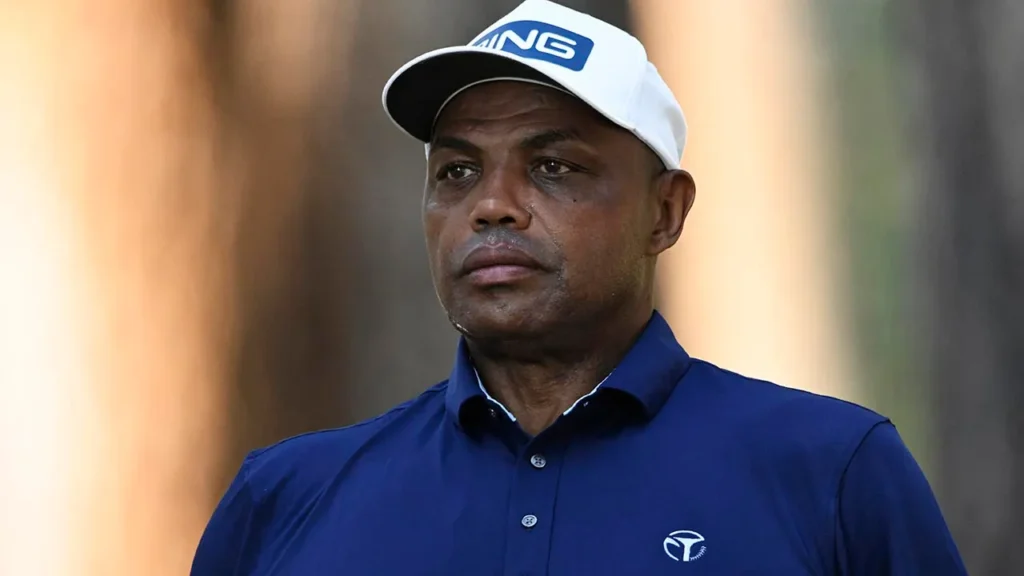
We also discussed his series, American Race, which aimed to spark dialogue between groups that rarely speak to one another. Barkley felt that the political division in 2017 was reaching a boiling point and that “supporting the President” was a necessary step toward de-escalation.
“We spend so much time hating each other,” he remarked. “I’m trying to find ways to bring people together. If we can’t respect the office of the Presidency, we’re in trouble as a country.”
2025 Retrospective: The Independent Voice

Today, Charles Barkley is one of the few media personalities who can move between sports, entertainment, and politics without being boxed into a specific “camp.” His 2017 comments on Scoop B Radio established the blueprint for how he handles political transitions.
| Aspect | The “Barkley Rule” | Objective |
| The Election | Debate hard, vote your conscience. | Exercise of Democracy. |
| Post-Election | Respect the result and the office. | National Stability. |
| Governance | Critique policies, not just people. | Objective Accountability. |
| Goal | “I want the pilot to land the plane.” | Collective Success. |
As Barkley said to me:
“I’m an independent. I don’t give a damn about Democrats or Republicans; I care about people.”
In the context of 2025, that independent streak is what makes Barkley a “buttoned-up” bridge-builder in an era of deep polarization.