
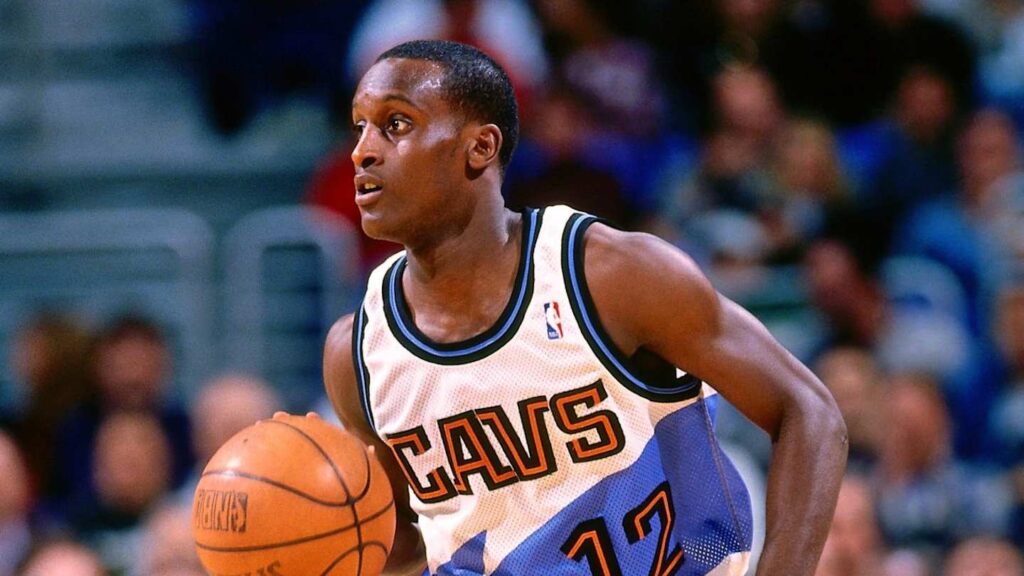
In the summer of 2017, I caught up with Brevin Knight—the floor general who led the 1997-98 Cleveland Cavaliers to the playoffs as a rookie. At the time, we were looking back at a squad that featured five rookies, including Knight, Zydrunas Ilgauskas, and Cedric Henderson. Today, in 2025—as we watch young, gritty teams like the current Cavs and the OKC Thunder attempt to fast-track their way to the Finals—Knight’s “buttoned-up” assessment of that 90s roster feels like a blueprint for what happens when “potential” meets an untimely end.
Reflecting on our Scoop B Radio session today, Knight’s confidence in that young core remains a definitive “what if” in Cleveland sports history.
The “Contender” Equation: A Rookie-Led Revolution
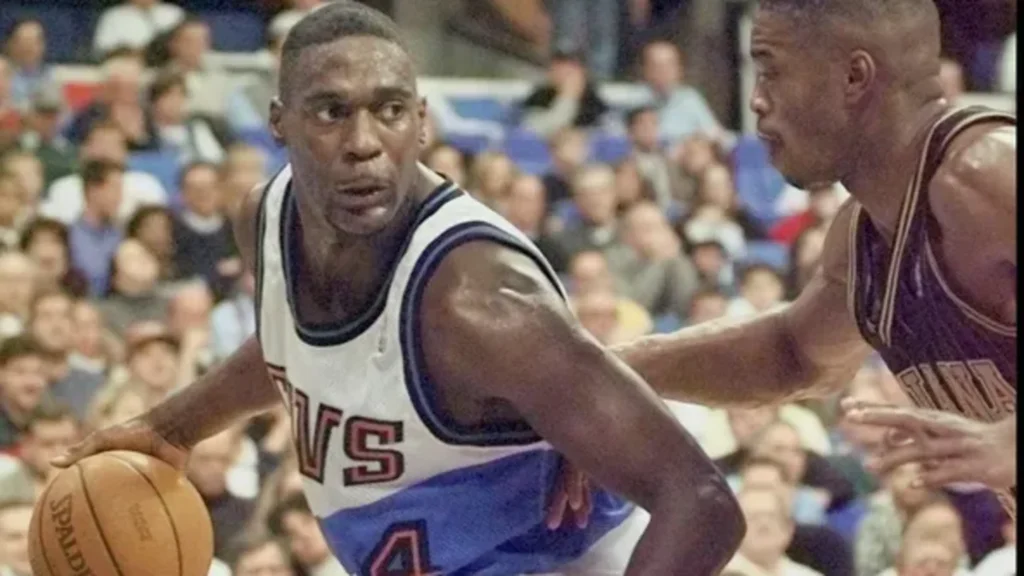
In 1997, the Cavs took a massive gamble, trading veterans to build around a youth movement. Knight was the engine of that team, finishing second in Rookie of the Year voting. During our session, he made it clear that they weren’t just playing for the future—they felt the window was open immediately.
“We would have put ourselves in a great position to contend for a championship,” Knight told me. “The way we played, the way we defended, and the youth we had… if we had stayed together, we were going to be a problem for a long time.”
In 2025, we talk about “team chemistry” and “continuity” as the ultimate competitive advantages. Knight’s point was clinical: that team had a defensive identity (ranked 1st in the NBA in points allowed that year) that usually takes years to develop. To do that with five rookies was unprecedented.
The Anatomy of a Breakup: When Business Trumps Basketball
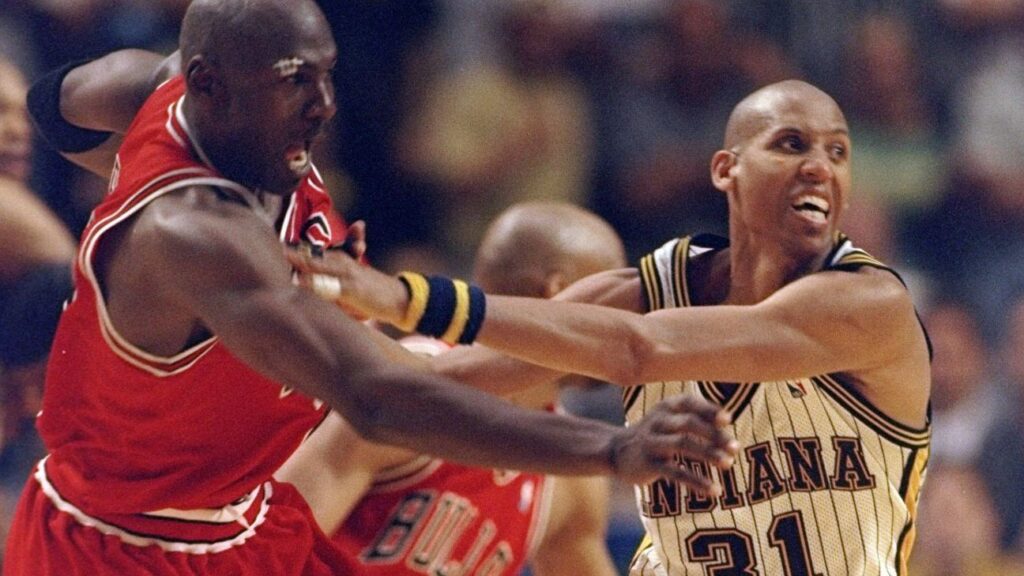
The 1997-98 Cavs won 47 games and pushed the Indiana Pacers to the limit in the playoffs. But shortly after, the core was dismantled. Knight reflected on the frustration of seeing a “contender” stripped down before it could reach its peak.
“It’s the business side of the NBA that people don’t always see. You think you’re building something special, and then moves are made that change the whole trajectory. We never got to see what our ceiling was.”
Looking back from today’s perspective, the “ceiling” for a healthy Knight-Big Z-Henderson core was undoubtedly a perennial East contender. Knight’s 2017 observation reminds us that in the NBA, “potential” is a perishable commodity. If you don’t nurture it, you lose it to the trade machine.
The Defensive Blueprint: Grit Over Glamour
Knight was a traditional point guard who prioritized the “we” over the “me.” He took pride in the fact that his Cavs team made life miserable for the superstars of the 90s.
“We weren’t the flashiest team, but we were going to outwork you. We took pride in our defense. That’s what made us dangerous.”
In 2025, as the NBA sees a scoring explosion, Knight’s “defensive first” philosophy is a buttoned-up reminder of how championships are actually built. He proved that a rookie-led team could dominate the league’s veterans through sheer grit and defensive IQ—a lesson that still resonates in locker rooms today.
2025 Retrospective: The Legacy of the ’97 Core
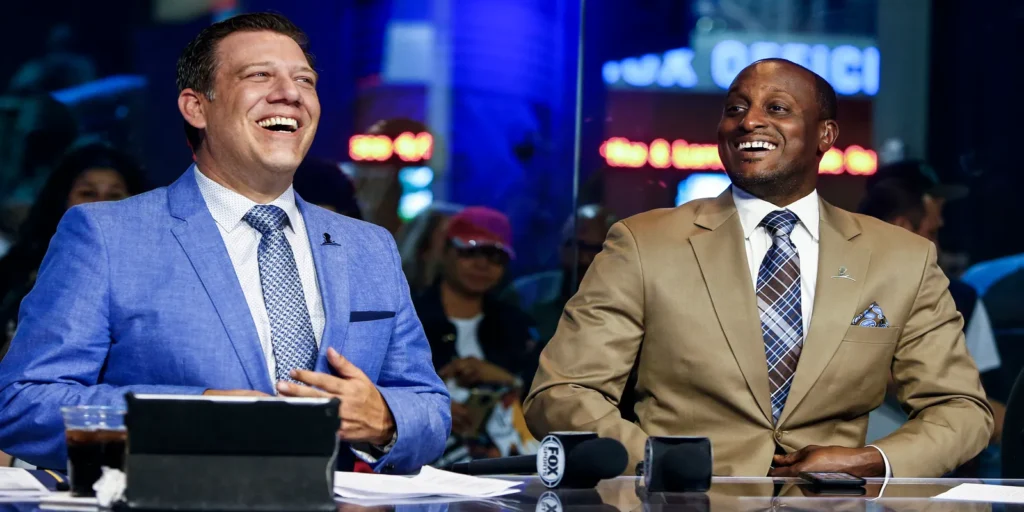
Today, Brevin Knight is a respected voice in the broadcast booth for the Memphis Grizzlies, but his 2017 session on Scoop B Radio remains a definitive defense of his playing era. He moved the conversation away from the “rebuilding” narrative and toward what should have been a “championship” narrative.
As Brevin told me:
“We were ahead of our time.”
And the facts support him. In a decade dominated by the Bulls and the Pacers, Knight’s Cavs were the young lions that never got the chance to fully grow.