

In 2017, I sat down with a true hybrid of culture and politics—Jesse “The Body” Ventura. At the time, the political climate was shifting, and the former Governor of Minnesota was sounding the alarm on the partisan divide. Today, as we move through 2025, Ventura’s observations about “DemoCRIPS” and “ReBLOODlicans” feel less like a wrestling promo and more like a buttoned-up prophecy.
As we evaluate the state of the nation now, Ventura’s calls for accountability and public vigilance are the blueprints for a modern political “statesman.”
The “Gang” War: Institutional Friction
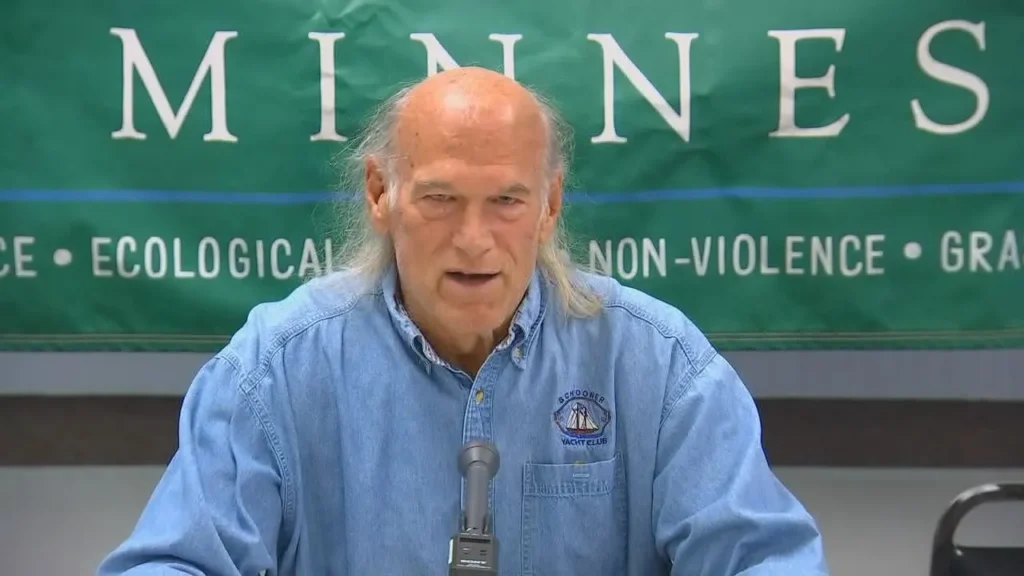
Long before the current era of hyper-partisanship, Ventura was vocal about his disdain for the two-party system. He famously characterized the major parties not as civil servants, but as warring factions.
“Both parties are street gangs warring with each other for power over the country and the American people,” Ventura told me, referencing his book DemoCRIPS and ReBLOODlicans.
In 2025, this “gang” analogy has arguably become the dominant view for many independent voters. Ventura wasn’t just being colorful; he was highlighting a structural defect in our democracy where the pursuit of party power often eclipses the pursuit of the public good.
The Comfort of the Lie vs. the Discomfort of Truth

One of the most profound moments in our session was when Ventura challenged the idea that voters actually want transparency. He posited that the truth is often too disruptive for the average person to handle.
“I don’t think people like the truth because many times the truth takes them out of their comfort zone, and people do not like to be taken out of their comfort zone.”
Reflecting on this today, in an age of “alternative facts” and algorithm-driven echo chambers, Ventura’s point remains clinical. He understood that the “truth” isn’t just a fact—it’s an emotional burden. His career, from the ring to the governor’s mansion, was built on the willingness to be the one who made people uncomfortable.
On Accountability and National Ego

Ventura has always been a critic of American exceptionalism when it serves to mask mistakes. He touched on a specific psychological barrier in our government that prevents growth: the inability to admit error.
“The United States government never admits to any wrongdoing… we never admit to a mistake.”
In 2025, as we look back on decades of international policy and internal reform, this lack of admission is still the primary hurdle to national healing. Ventura’s “buttoned-up” critique is simple: you cannot fix what you refuse to acknowledge.
The Final Word on Term Limits and Public Vigilance
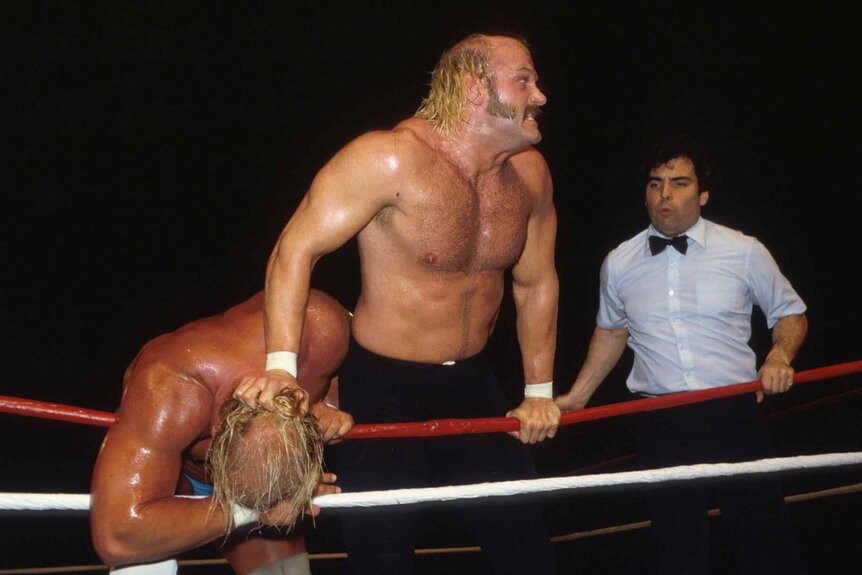
When we discussed the longevity of politicians in office, Ventura stayed true to his “statesman” roots. He argued that the power to fix the system doesn’t lie in a new law, but in the hands of the person in the voting booth.
“We have the ability to do that so ultimately all problems in this country could be resolved by the people but the problem is the people aren’t vigilant, and the people aren’t paying attention.”
Looking back from today’s vantage point, Ventura’s legacy is a reminder that the system only works if the “referees”—the American people—stay in the game. Whether you call him a wrestler, an actor, or a governor, Jesse Ventura remains one of the most consistent voices demanding that we wake up and stay vigilant.