
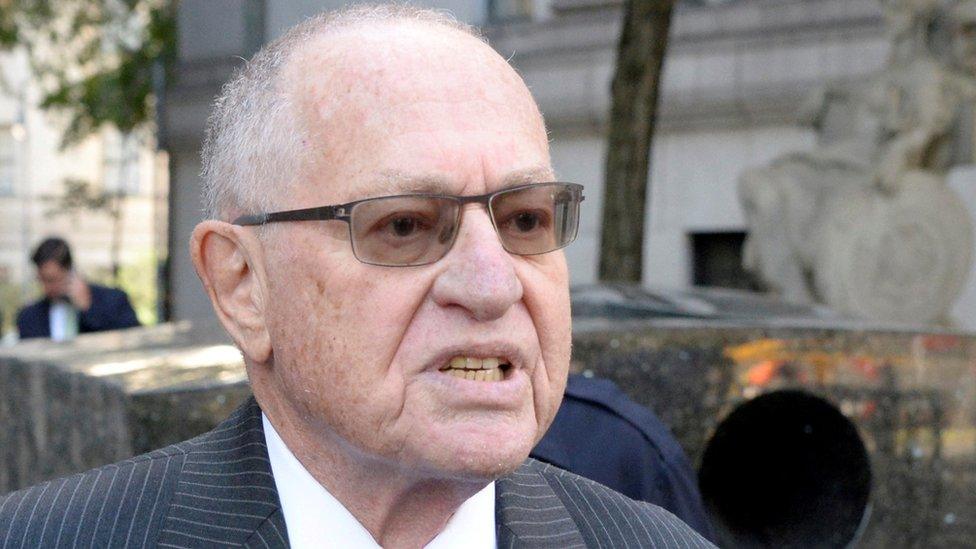
In the canon of American jurisprudence, few moments resonate as deeply as the O.J. Simpson trial. When I sat down with legendary Harvard Law Professor Alan Dershowitz on Scoop B Radio in 2017, the conversation was framed by Simpson’s then-pending parole. Re-evaluating those insights today—following Simpson’s passing in 2024 and the emergence of a new era of legal scrutiny—it is clear that Dershowitz wasn’t just discussing a case; he was diagnosing a permanent condition of the American justice system.
The Architecture of the “Dream Team”
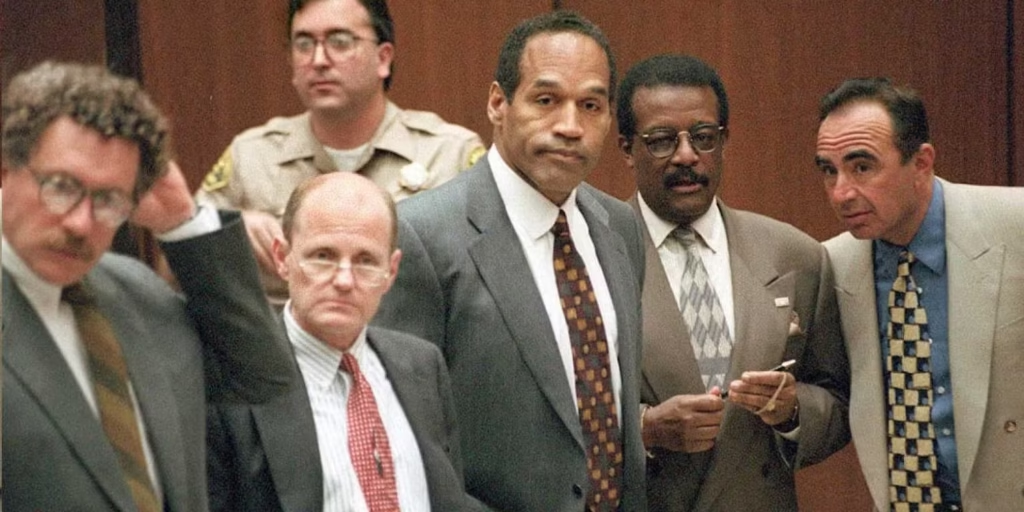
History often paints the Simpson defense as a monolith of legal brilliance, but Dershowitz was candid about the internal friction required to build such a formidable front. He highlighted the ideological divide between the two primary pillars of the defense: Johnnie Cochran and F. Lee Bailey.
“Johnnie Cochran and F. Lee Bailey didn’t always get along,” Dershowitz noted. “They were very different kinds of lawyers. Johnnie was much more of a ‘people person’ who understood the jury; Lee was a cross-examer, a technician.”
In 2025, this “team of rivals” approach remains the gold standard for high-profile defense. The tension between the “storyteller” and the “technician” is what creates a 360-degree defense, ensuring that both the human narrative and the forensic minutiae are addressed.
The “Cockroach” Principle and Systemic Integrity
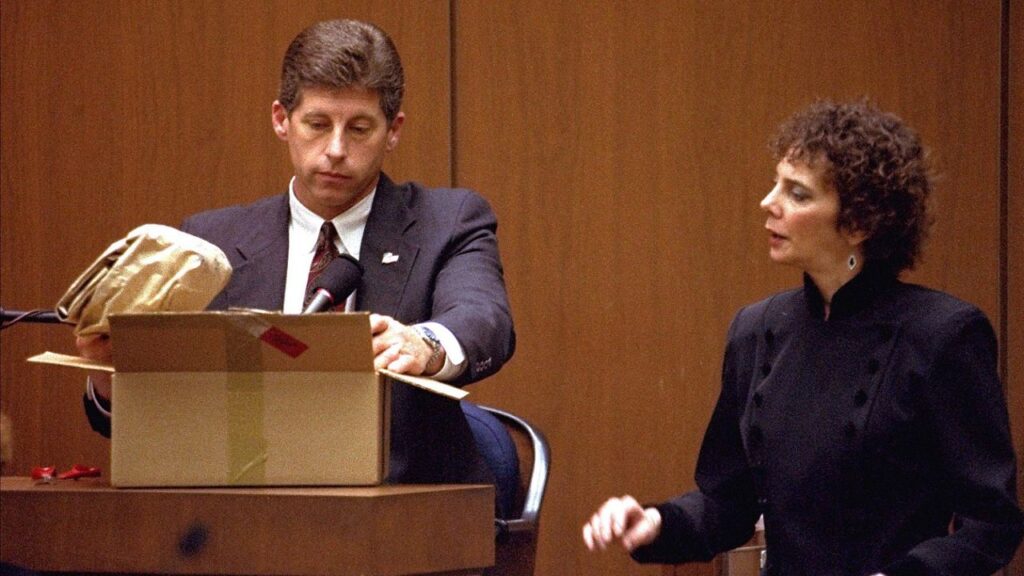
A cornerstone of our discussion was the “Fuhrman Factor”—the idea that a single instance of proven misconduct can dismantle a state’s entire case. Dershowitz revisited the powerful analogy used by forensics expert Dr. Henry Lee:
“If you find a cockroach in a bowl of spaghetti, you don’t look for another cockroach before you throw out the whole bowl of spaghetti.”
This principle is more relevant now than ever. In an era of ubiquitous body-worn cameras and digital discovery, the “cockroach” represents any breach of protocol. Dershowitz’s point remains clear: if the prosecution’s case is contaminated by even one documented lie, the jury is legally and ethically bound to reject the entire offering.
Race as a National Rorschach Test
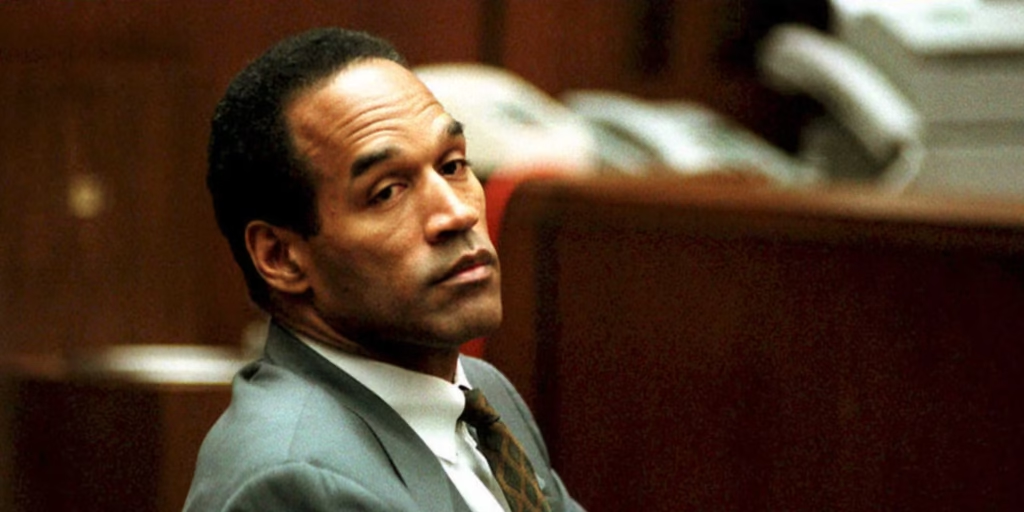
Perhaps the most enduring takeaway was Dershowitz’s assessment of how the trial served as a mirror for American society—a dynamic that has only intensified in the years since.
“The O.J. Simpson case was a Rorschach test for race in America,” he remarked. “People saw what they wanted to see based on their own experiences with the police.”
Dershowitz noted that the trial “brought out into the open the deep divisions” regarding trust in law enforcement. As we navigate the legal complexities of 2025, his observation holds: the verdict one reaches is often a reflection of the reality they lived before even entering the courtroom.
On Judicial Neutrality and the Law of the Present
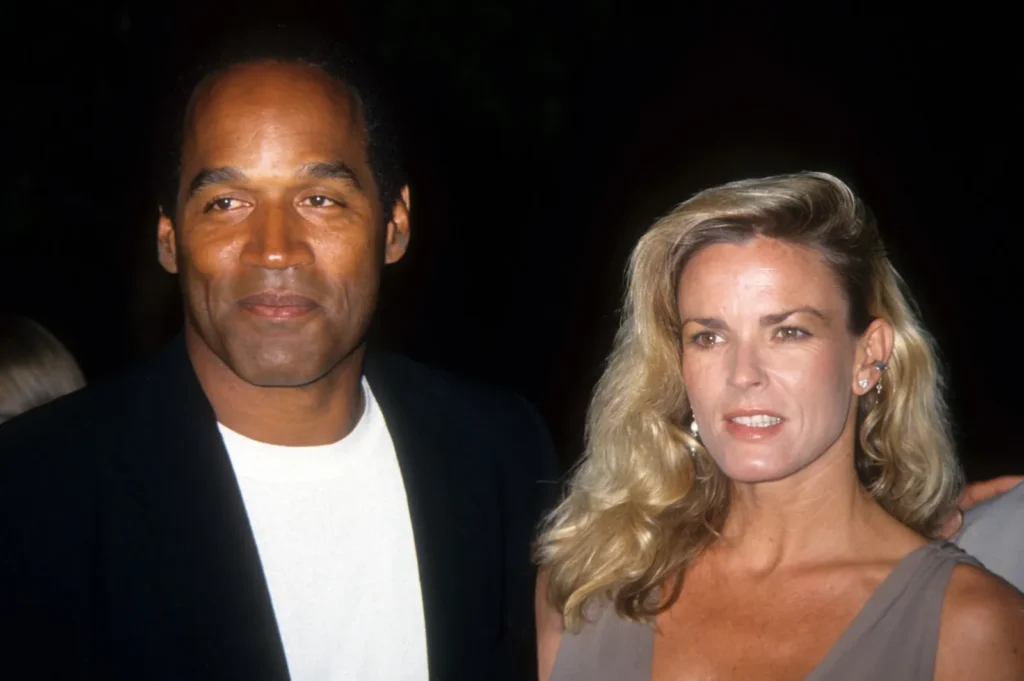
At the time of our recording, the focus was on Simpson’s parole eligibility for the 2007 Las Vegas robbery. Dershowitz offered a clinical, “buttoned-up” interpretation of the law that transcends the individual:
“You don’t punish people for what they were acquitted of twenty years ago. You punish them for what they’re in front of the board for now.”
This serves as a vital reminder of the necessity for judicial impartiality. Regardless of public sentiment or past grievances, the law must operate on the facts of the present case—a standard that Dershowitz has spent his career defending.