
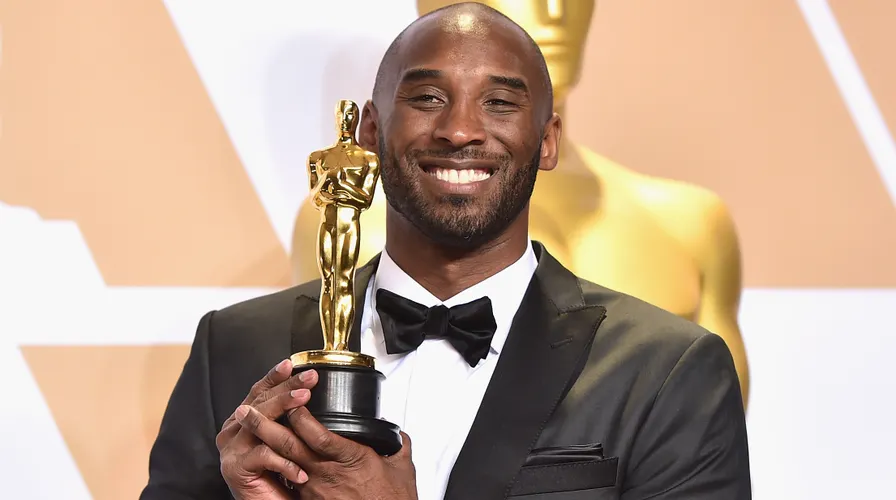
When I sat down with former Lakers guard Kendall Marshall for Scoop B Radio in September 2017, the world was still adjusting to a league without Kobe Bryant on the floor. Kobe had retired just a year prior, and the “Mamba Mentality” was already transitioning from a locker room standard to a global business philosophy. But Kendall, who played with Kobe during the high-pressure 2013-14 season, offered a perspective that humanized the legend.
Standing here in December 2025, as we reflect on Kobe’s enduring legacy and Kendall’s own transition into coaching and recruiting at UNC, that 2017 conversation remains a vital piece of the Laker puzzle. It wasn’t just about the points; it was about the person.
Breaking the “Superstar” Stereotype
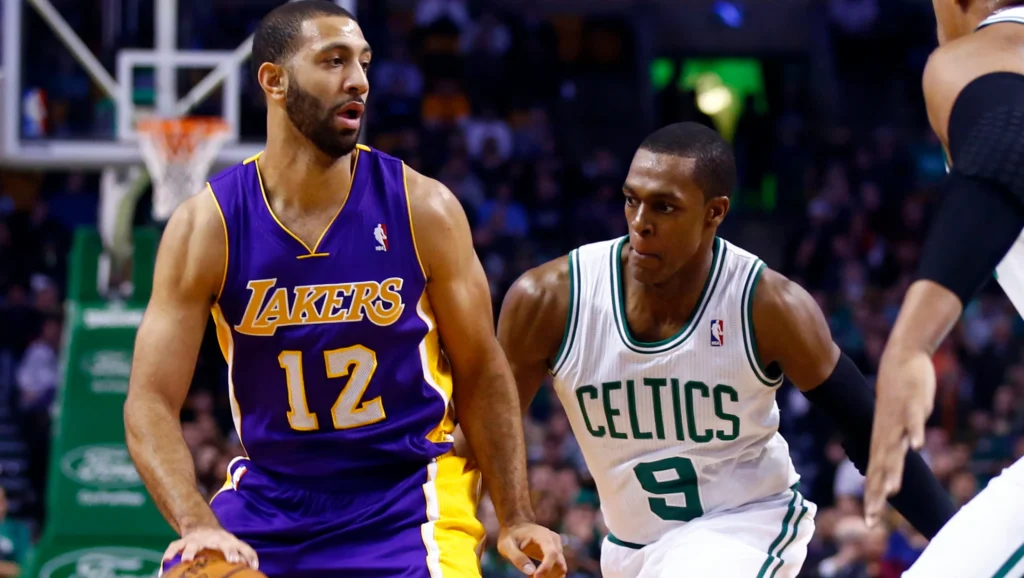
In 2017, Kendall was candid about his expectations before joining the Lakers. “You see a superstar and you expect him to be different and standoffish,” he told me. It was a fair assumption—Kobe was known for his “mental assassin” approach, often seen reading The Art of War while teammates were scrolling through their phones.
However, Kendall’s experience was the opposite. He found a leader who was approachable, invested in the “fringe” roster guys, and surprisingly down-to-earth. While the media painted a picture of a cold, isolated worker, the guys in the huddle saw a mentor who understood that the Lakers’ greatness relied on the 12th man just as much as the 1st.
2025 Vision: The Talent Density of Mentorship
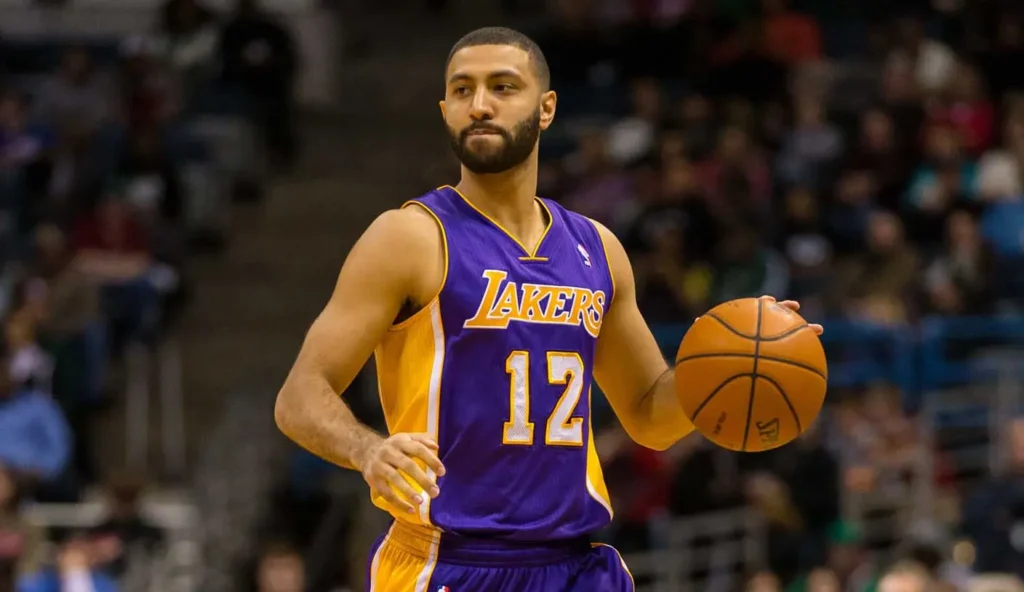
By late 2025, the “Kendall Marshall Era” in L.A. is remembered as a time of grit and unexpected opportunity. Kendall’s ability to thrive under the bright lights of Staples Center—once dropping 20 points and 15 assists in a single game—was fueled by the environment Kobe helped create. That mentorship functions like a championship roster:
- The MVPs (The Mental Preparation): Kobe set the bar. As Kendall noted, when the star is the first to arrive and the last to leave, it eliminates any excuses for the rest of the team. In 2025, this remains the “Gold Standard” for organizational culture.
- The Snipers (Targeted Knowledge): Kobe didn’t just give general advice; he gave specific “keys.” Whether it was reading defenses or managing the NYC media, he provided the “intel” that young players like Kendall needed to survive.
- The Defensive Anchors (Emotional Shield): By being approachable rather than standoffish, Kobe served as a shield for his teammates. He took the heat from the media so players like Marshall could focus on the “joy of the game.”
From “K-Butta” to the Bench
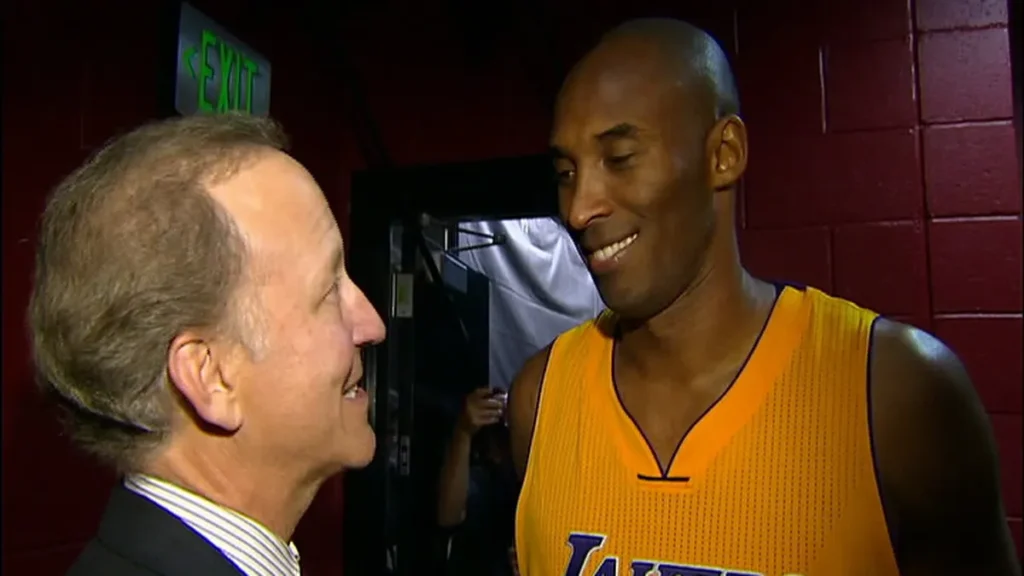
What makes our 2017 talk so poignant today is seeing where Kendall is in 2025. Now a respected “basketball O.G.” and a key figure in the UNC Tar Heels program, Marshall is passing down those same lessons. He saw Kobe pivot from an elite athlete to a “burgeoning mogul” and storyteller, proving that the mindset used to excel in sports is the perfect fuel for a second act.
Kendall told me in 2017 that playing with one organization—as Kobe did—is “something special.” While Kendall’s own journey took him through multiple cities, he carried the “Laker standard” with him. In 2025, we see his influence in young stars who play with the same “rare combination of fundamental touch and flare” that defined his time in the purple and gold.
The Final Scoop: The Legend of the Teammate
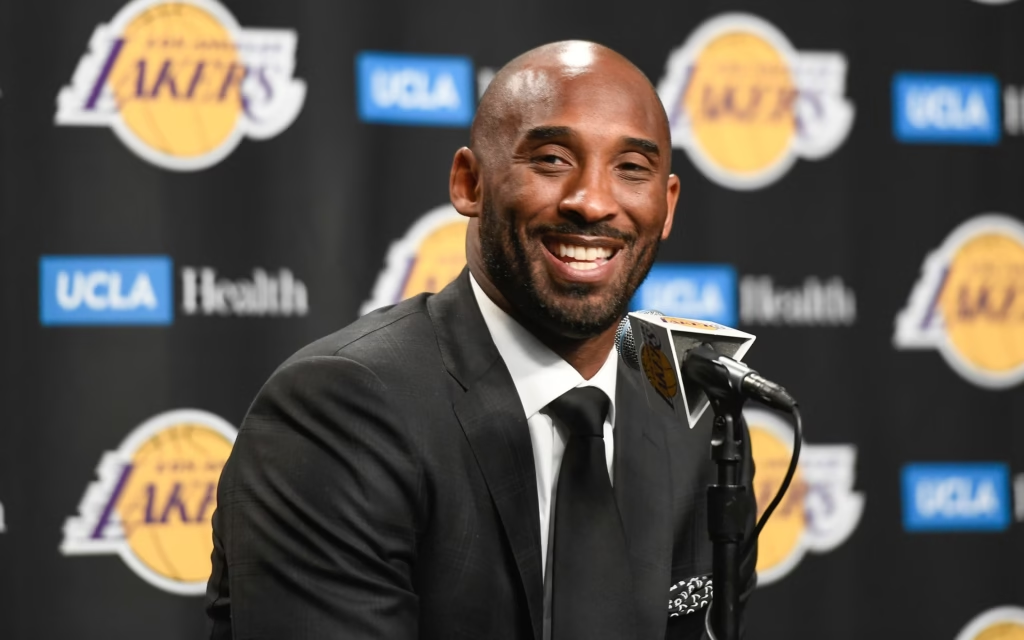
Revisiting this article is a reminder that Kobe Bryant’s greatest stat wasn’t his 33,643 points—it was the impact he had on the players who shared his jersey for just a single season. Kendall Marshall expected a standoffish superstar; instead, he found a brother-in-arms.
“The game loves him and he loves it back,” a fan once said of Kendall. In 2025, the same can be said for the legacy of their partnership. Kobe taught Kendall how to be a “mental assassin,” and Kendall, in turn, showed the world that even the “forgotten favorites” of the Lakers can leave a lasting mark on the culture of the game.