
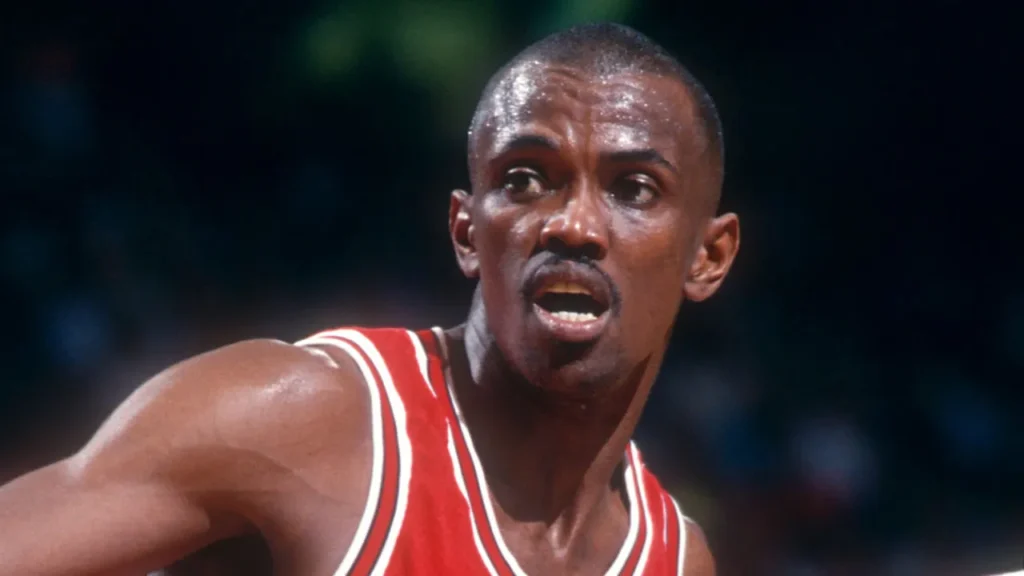
When I interviewed Craig Hodges for Respect Magazine in 2017, the NBA was in the middle of a historic standoff with the White House. The Golden State Warriors were weighing whether to celebrate their title with the administration, and the debate was tearing through sports media. But for Hodges, this wasn’t new territory. He had already lived it in 1992, wearing a dashiki to the White House and handing an eight-page letter to President George H.W. Bush demanding justice for marginalized communities.
Standing here in December 2025, with a new administration in place and the intersection of sports and social justice more solidified than ever, Hodges’ perspective has shifted from “controversial” to “foundational.” He wasn’t just a shooter; he was the architect of the modern athlete’s political conscience.
The “Political Slam”
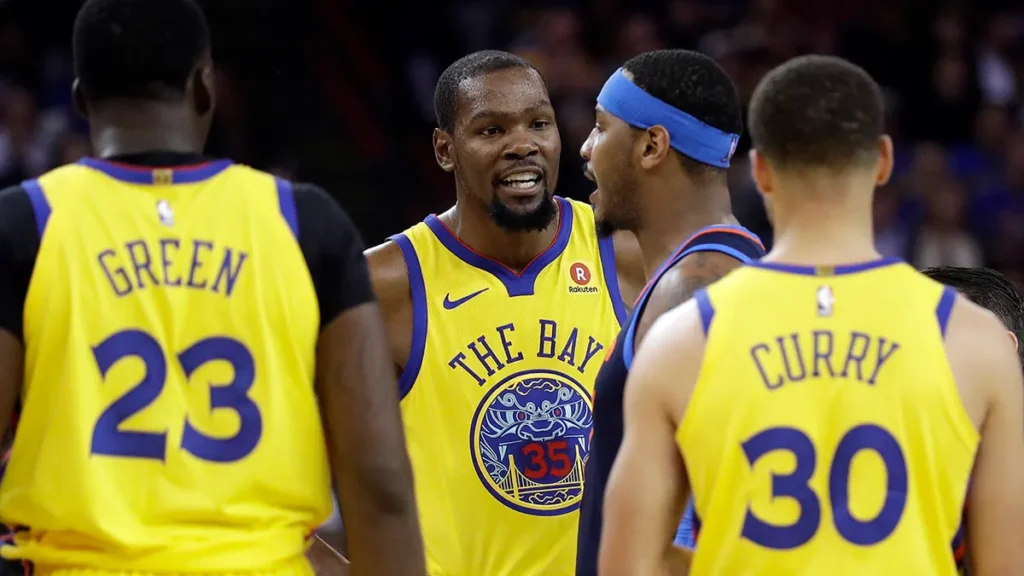
In our 2017 conversation, Hodges was empathetic to the Warriors’ dilemma. “I can understand the political slam as far as not going,” he told me. But he also offered a counter-intuitive piece of advice: Go, but make it count. Hodges’ regret wasn’t that he went to the White House; it was that more of his teammates didn’t join him in his protest. He saw the visit not as an endorsement, but as a rare opportunity to speak truth to power in the room where it happens. By 2025, we’ve seen this “Hodges Method” adopted by athletes who choose to attend ceremonies specifically to hand over petitions or wear symbolic clothing that sparks a global conversation.
2025 Vision: The Talent Density of Activism

In 2025, the “activist athlete” is no longer a niche role—it’s a specialized position on the roster of influence. Hodges’ legacy functions like a championship-level rotation that has redefined the league:
- The MVPs (The Truth-Tellers): Players who use their platform to deliver direct messages to leadership. Hodges was the first to prove that you could be a three-point champion and a community advocate simultaneously.
- The Snipers (Targeted Messaging): Like Hodges’ dashiki in ’92, modern players use fashion and digital media to target specific social issues with surgical precision, ensuring the message reaches the masses even if they never step foot in Washington.
- The Defensive Anchors (Institutional Memory): Hodges serves as the “shield” for the new generation. By sharing his story of being “blackballed” after his 1992 protest, he has helped the NBPA build protections for players who choose to speak out in 2025.
From the “Dashiki” to the “Digital Age”
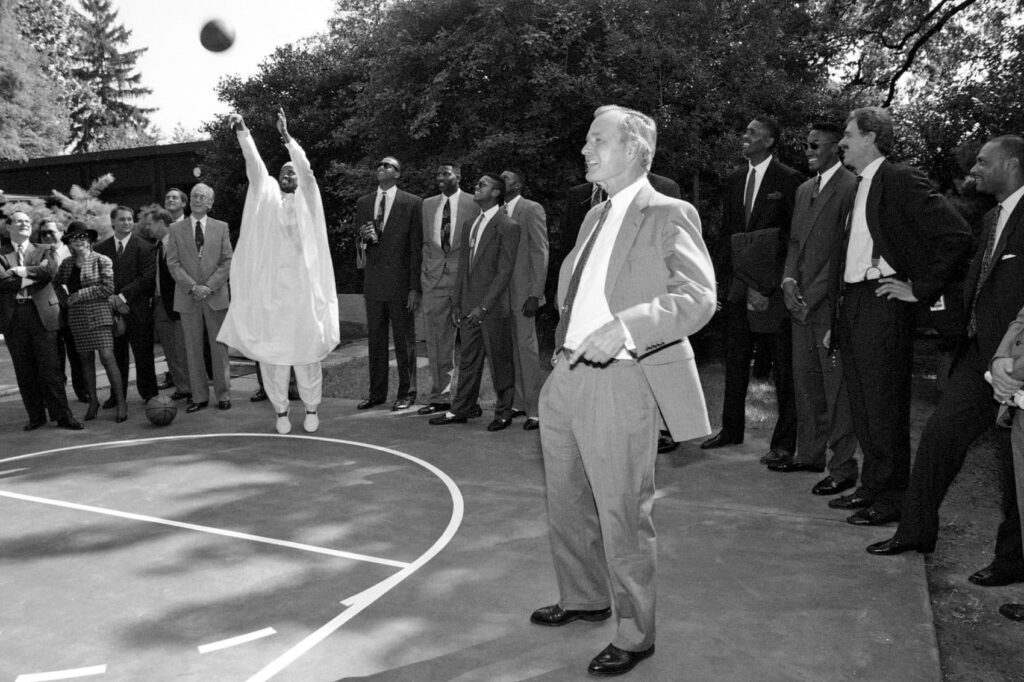
What made my 2017 interview with Hodges so vital was his insistence on collective action. He lamented that in 1992, he stood alone. Fast forward to late 2025, and the landscape is entirely different. Whether it’s the Social Justice Coalition or the widespread support for voting rights, the “collective” has finally caught up to Hodges’ vision.
He told me in 2017 that the game is “bigger than the orange ball.” Today, as we navigate a complex political climate where championship visits are handled with the diplomacy of a summit, Hodges’ 1992 letter remains the blueprint. He showed us that you don’t have to choose between being a champion and being a citizen.
The Final Scoop: The Long Game of Justice
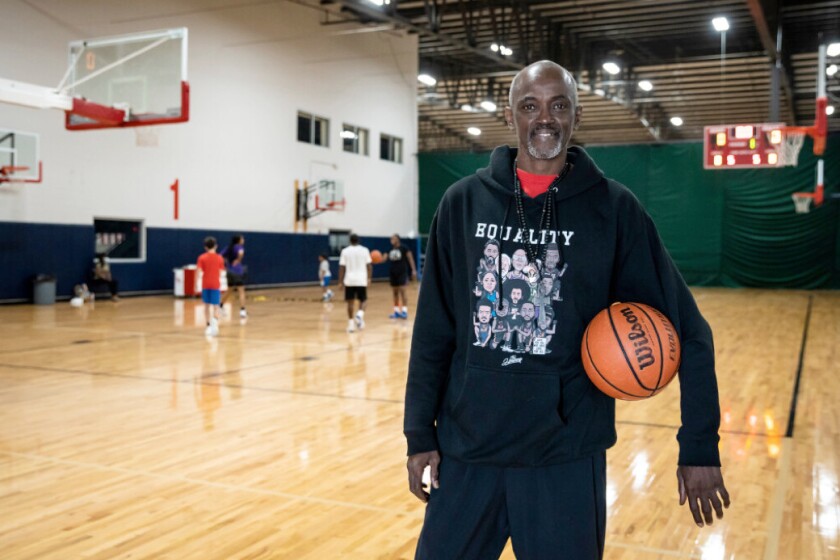
Revisiting this article reminds us that Craig Hodges paid the price so the stars of 2025 wouldn’t have to. He was the “sniper” who took the long-distance shots for justice when the league wasn’t ready to hear them.
“I wanted to let the President know that we weren’t just entertainers,” Hodges told me. As the champions of today prepare for their own historic moments, they carry a piece of that 1992 letter with them. Craig Hodges didn’t just win rings; he won the right for every athlete after him to have a seat at the table—and a voice at the podium.