
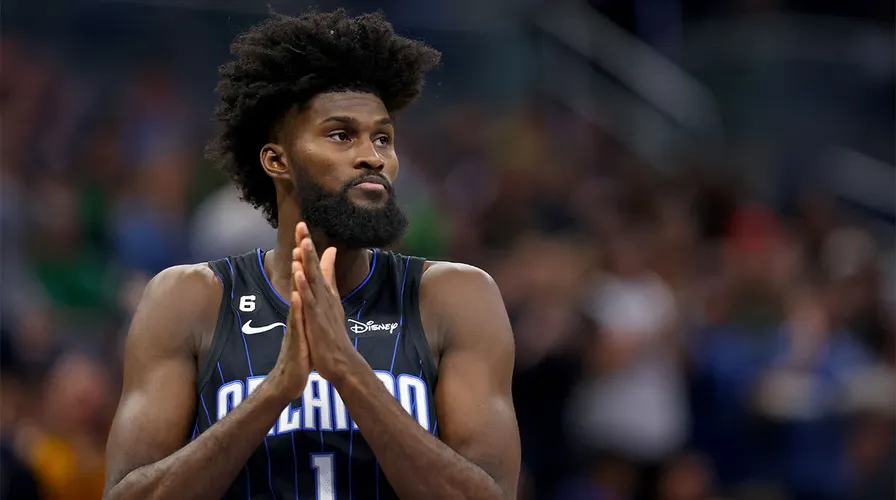
When Jonathan Isaac sat down with me for Scoop B Radio in September 2017, he was a fresh-faced rookie for the Orlando Magic, still finding his footing in the league. At the time, the NBA was obsessed with “unicorns”—long, lean, hyper-athletic wings who could handle the ball like guards but protect the rim like centers. The natural comparison for Isaac at the time was the Lakers’ rising star, Brandon Ingram.
Fast forward to December 2025, and while their career paths have taken different turns, that original comparison remains a fascinating look at how “talent density” and “versatility” have redefined the modern NBA.
The “Super Long” Connection

In 2017, Isaac was quick to acknowledge the similarities between himself and Ingram. “I do [see the comparison],” he told me. “You know, we’re both super long, super athletic, and able to handle the ball and shoot it.”
What stood out then wasn’t just their physical frames, but their defensive mindset. Isaac noted that he took pride in switching onto point guards—an “unconventional thing” for a player of his height that has now become the absolute baseline for elite defenders in 2025.
2025 Vision: Two Paths to Greatness
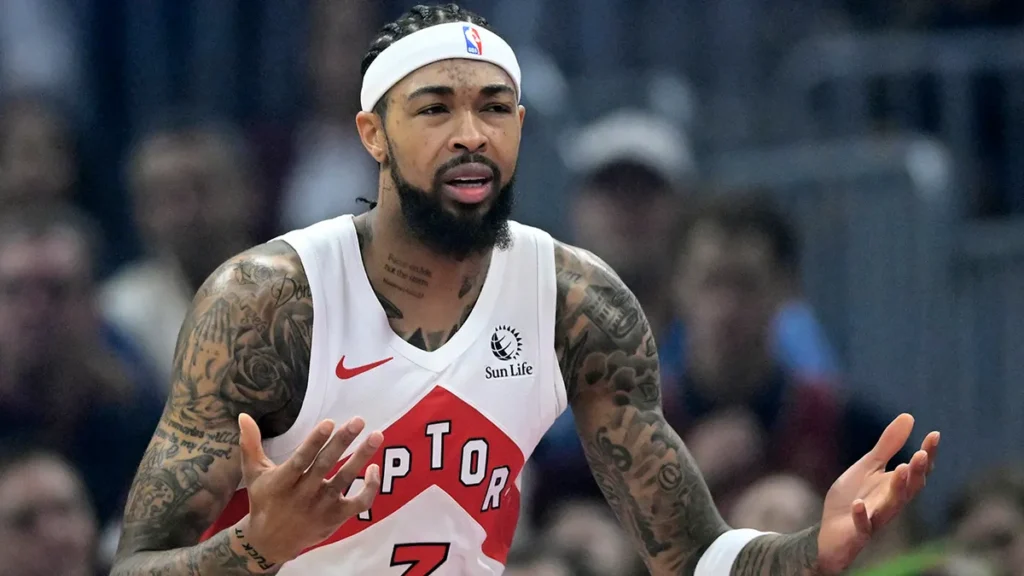
By late 2025, Brandon Ingram has moved on to the Toronto Raptors, establishing himself as a primary scoring engine and an All-Star with a career average near 20 points per game. Jonathan Isaac, meanwhile, has become the “Minister of Defense” in Orlando, recently signing a significant five-year, $84 million extension that rewards his impact even when he isn’t the focal point on offense.
Their evolution illustrates the two ways the “modern wing” archetype has succeeded:
- The MVPs (The Scoring Engine): Brandon Ingram refined his mid-range game to become a lethal bucket-getter, moving from the Lakers to New Orleans and eventually Toronto, proving that “length” is the ultimate offensive mismatch.
- The Snipers (The Specialist Impact): Isaac focused his length on the defensive end. In 2025, he remains one of the most efficient defenders in the game, trailing only the likes of Rudy Gobert in individual defensive rating while serving as the defensive anchor for a young Magic squad.
- The Defensive Anchors (Resilience): Both players have dealt with significant injuries. In 2025, we respect them not just for their stats, but for their ability to return from ACL tears and shoulder issues to remain high-level contributors.
Beyond the Court: The Identity Shift
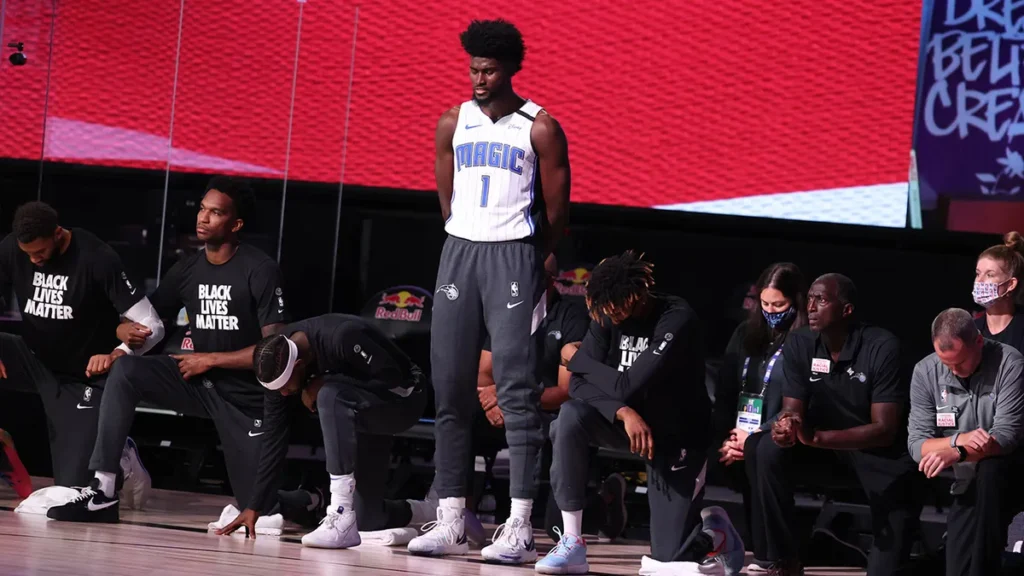
One of the most remarkable developments in Jonathan Isaac’s story since our 2017 talk has been his off-court transformation. In 2025, Isaac isn’t just known for his blocks; he’s the founder of UNITUS, a Christian footwear and apparel brand that made history by placing Bible verses on signature sneakers like the “Judah 1” and “Judah 2.”
He told me in 2017 that he didn’t want to be “just a basketball player.” By 2025, he has achieved that, using his platform to promote faith and unity. While Ingram has become a pure basketball icon, Isaac has used that “super long” reach to touch lives through community work and values-based business.
The Final Scoop: A Shared Blueprint
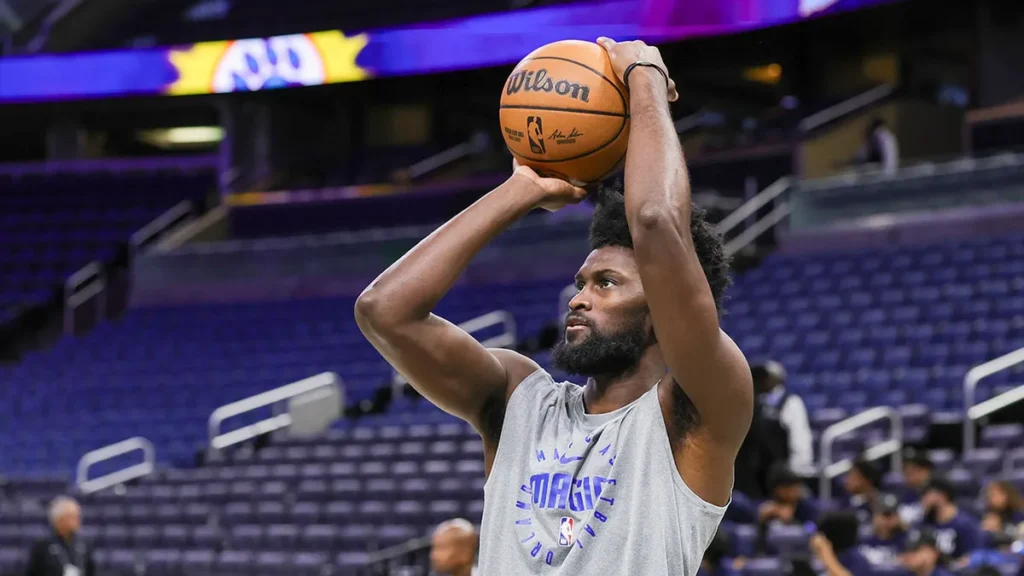
Revisiting this interview in 2025 shows that the “Ingram/Isaac” comparison was more than just a draft-night trope. It was a preview of the positionless basketball we see today. Whether it’s Ingram leading the Raptors in scoring or Isaac shutting down the paint in Orlando, both men proved that the “super long, super athletic” kids from 2017 were the architects of the 2025 NBA.
They might be on different coasts and have different priorities, but they both stayed true to the “unconventional” potential that made them so special when they first entered the league.