
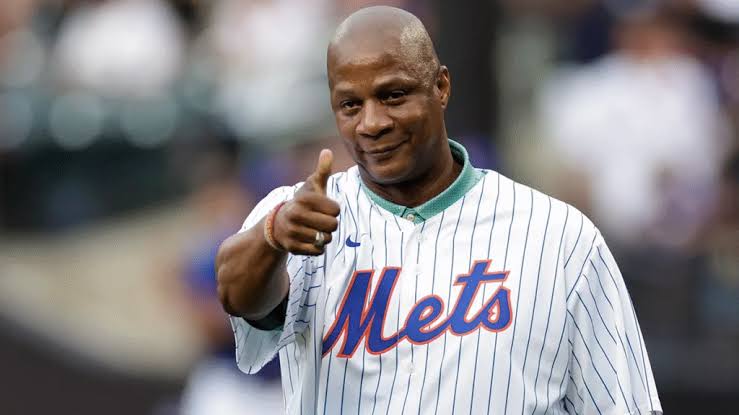
Baseball is littered with legends, but few figures loom quite as large—and across two fanbases—as Darryl Strawberry. A generational talent who burst onto the scene with the New York Mets before earning rings across town with the Yankees, Strawberry’s story is a compelling blend of dazzling ability and profound personal challenge. In a candid interview with Scoop B Radio, the eight-time All-Star opens up about his storied past, the golden age of New York baseball, and the divine purpose that now defines his life.
Strawberry’s time in Queens cemented his place in Mets folklore. He was a cornerstone of the 1986 World Series champion team, a squad as colorful and electric as the city they represented. He remains deeply connected to that era, recognizing the shared, special bond between that team and the entire borough of Queens. As he put it: “When you look at Keith and you look at myself and Doc, Gary Carter and all us, Mookie and those guys, we got a chance to be very special for the city and embrace Queens again.”
The energy of New York in the 1980s wasn’t just confined to the diamond; it pulsed through the music and culture, too. Strawberry fondly recalled the rise of hip-hop during his early career, noting the positive competition and meaningful lyrics that characterized the scene. He highlighted the unique joy of being a young, African-American player in the city at that time, bringing home wins in an era before the complexities and violence that later shaped the genre’s narrative.
A significant theme of the discussion was Strawberry’s rejuvenated relationship with the New York Mets organization, specifically under the leadership of Steve and Alex Cohen. He credits the new ownership with fostering a “family atmosphere” and truly recognizing the players who built the franchise’s history. Seeing his number honored at Citi Field today, he notes, speaks volumes about the respect and value the organization places on its past.
The conversation naturally drifted to the enduring legend of his former teammate, Dwight “Doc” Gooden. Strawberry was quick to champion Gooden’s unparalleled pitching prowess, arguing that many underestimate just how dominant Doc was during his peak. His perspective as a teammate on the field, witnessing that talent firsthand, gives his assessment a unique, powerful weight: “I saw it with my own two eyes and I’ve never seen anything like it.”
Yet, beyond the thunder of the home runs and the roar of the crowds, Strawberry has found a calling far greater than baseball. He candidly shares that his life today as a Minister of the Gospel is the “real call”—a higher purpose that transcends the achievements of his athletic career. His mission now is one of love, encouragement, and helping others find salvation.
This interview offers a dual portrait: the unforgettable athlete who helped define an iconic sports era, and the man of faith who has embraced a path of redemption and service. Join us as Darryl Strawberry takes us from the crack of the bat in South Central, through the lights of Shea Stadium, to the profound fulfillment he finds in ministry today.
This transcript has been edited and condensed for clarity and space. You can watch the full, unedited interview by clicking here.
Brandon “Scoop B” Robinson: Mets and Yankees legend Daryl Strawberry joins us on Scoop B Radio. What’s going on brotha?
Darryl Strawberry: Of course, I played for the Mets, Yankees, Dodgers, Giants, but I’m really a South Central, Crenshaw High. Home grad from here, born and raised here, and everything started here. So you never get there if it doesn’t start somewhere.
Brandon “Scoop B: Robinson: What Music do you remember music-wise during your time with the Mets?
Darryl Strawberry: Well, I remember a lot of music in the hip-hop days, you know, especially up in New York City, all the different people that were bringing those lyrics, and it made a lot of sense. You know, there wasn’t no violence back, you know, with them.Everybody was good, everybody was competing, and it wasn’t like it is today, you know, with so much of the younger generation that have gotten away from all that and realized what the importance of your gift is.
And so it’s unfortunate that it turned out that way over many years. But, you know, those were special days in the 80s to be in New York City, man, and bringing it home. Being an African-American player, too, and young, and loving it, loving the time of what it was all about.
Brandon “Scoop B” Robinson: How cool is it being visible with the New York Mets and being at Citi Field?
Darryl Strawberry: It’s really good. You know, with new ownership, Steve and Alex, it’s been nothing but a family atmosphere and bringing the players who really started and who really kicked it off and got the history of what that franchise was all about. When you look at Keith and you look at myself and Doc, Gary Carter and all us, Mookie and those guys, we got a chance to be very special for the city and embrace Queens again. I think that was important, you know, because everybody always talked about the Bronx and the Yankees, but the Yankees weren’t even mentioned in that time when we were in the 80s. So to be able to be in a place where the new owner, they sit and look at the players and now, you know, go to Citi Field now, see my number sitting up on top of the stadium, that speaks for itself what the ownership is all about.
Brandon “Scoop B” Robinson: If they ever did a documentary on Doc Gooden’s life, do you think Denzel Washington could play him?
Darryl Strawberry: I don’t know. He’s got to be able to bring it if he’s going to pitch because Doc could bring it back then. I think most people don’t realize that and they underestimate how great he was. But I don’t because I was on the field and I was playing and I saw it with my own two eyes and I’ve never seen anything like it.
Brandon “Scoop B” Robinson: You’re in the ministry and you’re preaching and saving souls. How important is that for you?
Darryl Strawberry: That’s so important, that’s the real call you know in my life. The other part was a bonus playing baseball and achieving. But you know today being a minister of gospel, man and loving people,helping people and encouraging people. Bro it doesn’t get any better than that, that’s the highest calling you can have in life and I didn’t realize that until I actually answered the call.
Conclusion: The Highest Calling
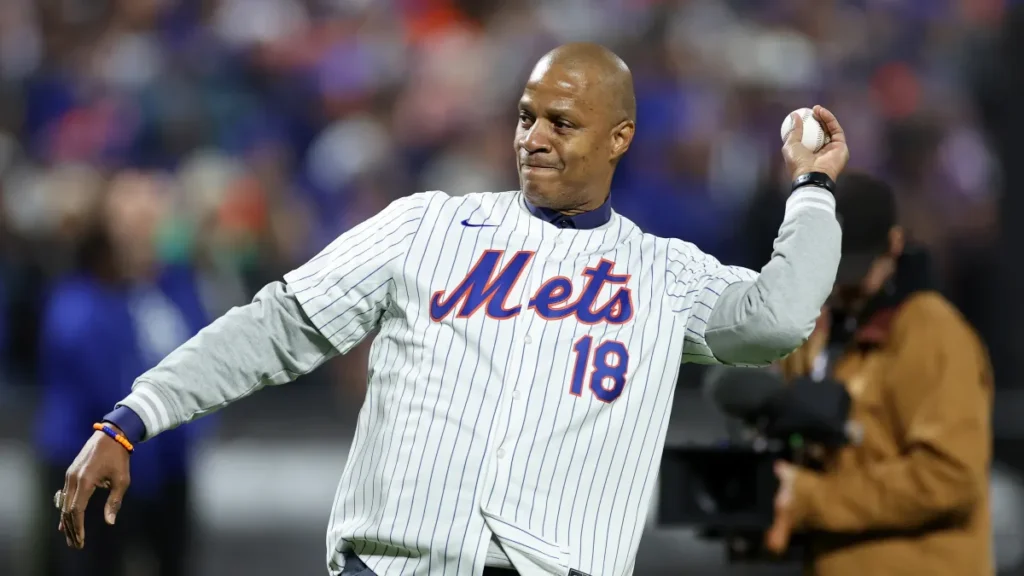
The journey of Darryl Strawberry is a powerful reminder that life is rarely defined by a single act or career, but by the entire arc of transformation. From prodigious talent to spiritual steward, his story is one of enduring presence and, most recently, renewed purpose. The conversation on Scoop B Radio didn’t just rehash box scores; it explored the depths of legacy, culture, and calling.
His visibility and involvement with the Mets organization today stand as a testament to the power of reconciliation and family. The fact that new ownership went out of its way to bring back and honor the players who defined the 80s—culminating in the sight of his number aloft at Citi Field—is a beautiful, full-circle moment. It’s a message that the history he and his teammates forged is valued, perhaps now more than ever.
Reflecting on the cultural heartbeat of his Mets prime, Strawberry offered a valuable historical perspective on the early days of hip-hop in New York. His observation about the original era being one of competition and “good” energy highlights a lost innocence in the music and media landscape, underscoring how special and vibrant that time was for a young, successful African-American athlete.
And then there’s the brilliance of Doc Gooden—a topic that clearly still stirs a deep respect in Strawberry. His insistence that Doc’s talent is often “underestimated” is a powerful defense of a baseball brother, a plea for history to remember the raw, unadulterated dominance Gooden displayed on the mound. It’s a reminder that true greatness is often best appreciated by those standing closest to it.
But when asked about the purpose of his life, Strawberry’s answer was unmistakable: the ministry is the ultimate fulfillment. He views his athletic accomplishments as a “bonus,” while the true reward lies in spreading the gospel, loving people, and providing encouragement. This current chapter is not a retirement project, but the answered “real call” that gives all his experiences, both good and bad, profound meaning.
Ultimately, the interview reveals that the same passion and focus Strawberry once channeled into hitting a 500-foot home run, he now dedicates to saving souls. The transition from the bright lights of Shea and Yankee Stadium to the quiet authority of the pulpit represents a shift in focus from temporal achievement to eternal significance.
Darryl Strawberry’s story, as told here, is one of great gifts and even greater grace. It reminds us that no matter how loud the cheers of the crowd, the sound of one’s true calling is the most defining echo of all. His journey is proof that redemption isn’t just possible; it can be the foundation for a legacy that outshines the brightest lights of professional sports.