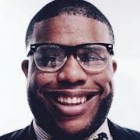
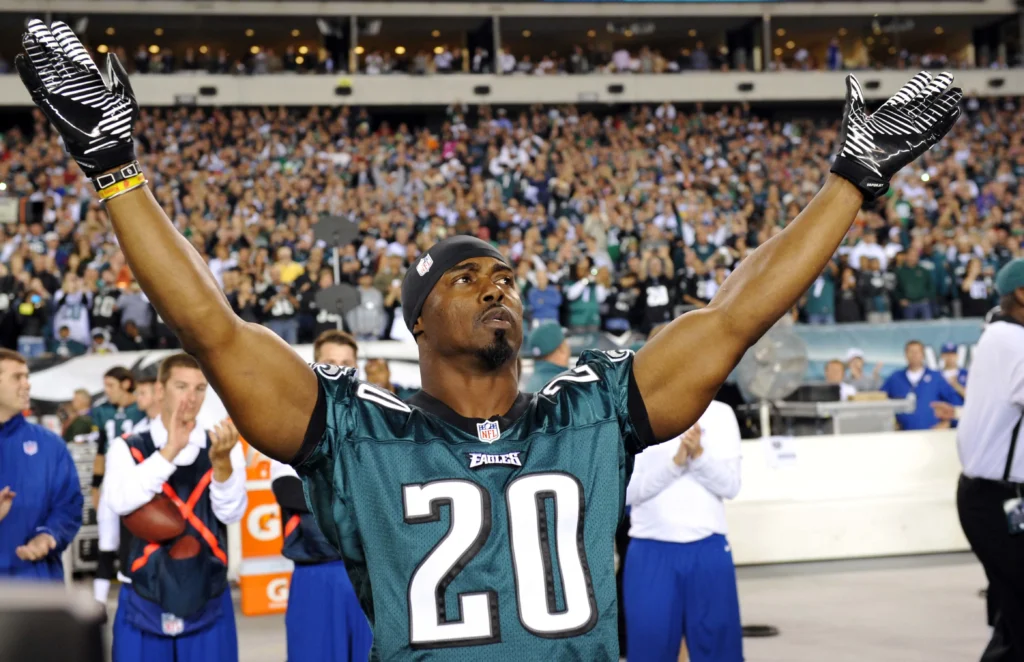
Quincy Carter, a former University of Georgia standout, holds a significant place in Dallas Cowboys history as the first African-American quarterback to start for the franchise. Drafted in the second round in 2001, Carter went on to start for three consecutive seasons, a period he describes as “humbling to say the least.”
While Carter acknowledges that quarterbacks like Randall Cunningham and Rodney Peete had previously filled in for the Cowboys, he takes pride in being the first to earn the starting nod for the season opener, demonstrating the trust the organization placed in his abilities.
The Draft Process: A Matter of Timing and Trust

Carter’s path to the NFL was marked by twists and turns. He entered the draft after his junior year at Georgia, a season marred by a broken thumb injury against the Florida Gators. This injury, following an early projection that placed him alongside Michael Vick and Drew Brees at the top of the quarterback draft list, led to a tough decision to forgo his senior year under new coach Mark Richt.
His draft stock was initially questioned, with analysts like Mel Kiper Jr. predicting a fall. At the NFL Combine, interest was light, with only the Baltimore Ravens and Oakland Raiders showing significant engagement. The Cowboys, however, remained “stand-offish” until a private workout revealed their clear interest. Carter recalls a pivotal conversation where his agent, the late Eugene Parker, was assured by Jerry Jones that Dallas would draft him.
“The Cowboys went and got me with that 53rd Pick in the second round,” Carter recounts, highlighting the high-stakes maneuvering that secured his spot with “America’s Team.”
A “Match Made in Heaven”: The Bill Parcells Era
Carter’s tenure included a period under legendary coach Bill Parcells, a relationship he valued immensely. Describing Parcells’ style as “blunt. It’s honest. You know what you’re getting,” Carter saw a reflection of mentors from his past, including his high school coach, William Godfrey, and offensive coordinator Steve Davenport.
The value, Carter explains, was not just in the bluntness but in the profound “wisdom that you got out off EVERY conversation,” covering everything from game preparation and X’s and O’s to “life in general.” Imagining a meeting between Parcells and owner Jerry Jones, Carter paints a picture of “real in depth all out football business,” driven by a shared, relentless desire for greatness.
Mentors and Influence: From Rocket Ismail to Deion Sanders
Carter’s development was supported by a strong cast of veteran teammates and friends. He credits Rocket Ismail as the “OG of the locker room,” instilling life lessons and the importance of faith. Richie Anderson, a “Bill Parcells guy,” taught him invaluable preparation methods. Other OGs included Joey Galloway and Darren Woodson.
A particularly influential figure outside the playing roster was Deion Sanders. Carter spent significant time with Sanders, participating in workouts with players like Santana Moss, Antonio Bryant, and Chad Johnson. The experience offered a surprising revelation: Sanders was the “QUIETEST dude” Carter would have expected. Far from the “brash, talk-talk-talk-talk guy” seen on TV, Carter found Sanders to be a “real laid back, spiritual human being who just wants to help people.” Carter compares Sanders’ impact, from on-field excellence to pioneering player-driven advertising and brand, to that of basketball icon Michael Jordan.
The Eagles Rivalry and Facing Mental Health Challenges

Facing the Philadelphia Eagles was a guaranteed “dogfight,” Carter remembers. His first memory is the notoriously hard turf at The Vet, the Eagles’ former stadium. He recalls a “rough, tough, rugged defense” featuring legends like Brian Dawkins and Jeremiah Trotter, and describes the Philly faithful as “BRUTAL” and “loud.”
Beyond the gridiron battles, Carter openly discussed his struggles with mental health and addiction, which ultimately cut short his time in Dallas. He doesn’t shy away from self-reflection, acknowledging that he “started a habit at 17-years old and it followed me putting on that Dallas Cowboys uniform.”
While acknowledging the NFL has improved its approach to mental health and addiction by lessening punishments and offering better programs, Carter maintains a personal responsibility. “I don’t like to make excuses,” he states. “I look at myself in the mirror and say, ‘Hey. It was some things that you ignored. There were some people that were reaching in that could’ve gravitated to help you…'” Now in recovery, Carter’s journey is a testament to the power of self-reflection and the ongoing work of living a recovered life.