
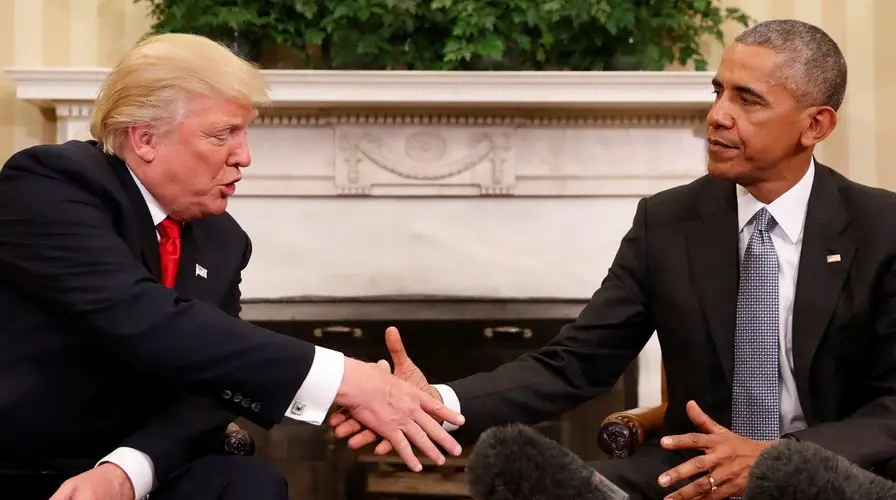
As the first African American president of the United States, Barack Obama entered the White House in 2009 carrying historic symbolism and heightened expectations from Black voters. Over two terms in office, Obama governed largely through universal, race-neutral policies designed to lift working- and middle-class Americans broadly, alongside targeted initiatives addressing civil rights, criminal justice, and youth opportunity.
While supporters credit his administration with major gains in healthcare access, sentencing reform, and federal representation, critics—including prominent Black scholars, activists, and progressive economists—argue that his cautious approach to race and his handling of the Great Recession left deep structural inequities unresolved.
Healthcare Expansion Under the Affordable Care Act
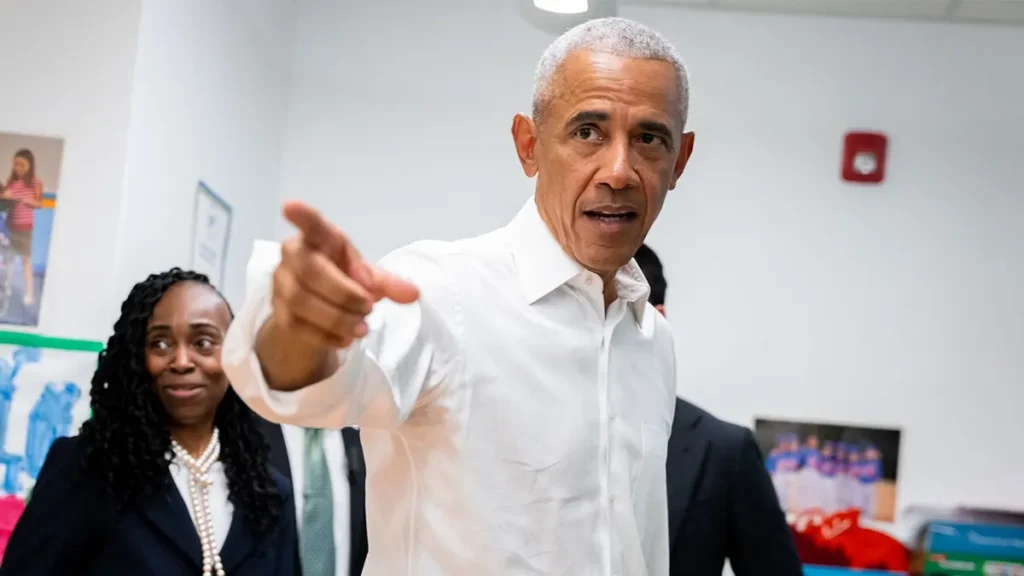
One of the most consequential policy achievements of the Obama presidency for Black Americans was the passage of the Affordable Care Act (ACA) in 2010. Prior to the law’s implementation, more than 20% of non-elderly Black Americans lacked health insurance.
Through the expansion of Medicaid eligibility, subsidized insurance marketplaces, and protections for pre-existing conditions, the uninsured rate among non-elderly Black adults fell by more than half following the law’s rollout,extending coverage to roughly 3 million previously uninsured Black adults. The ACA also elevated the National Institute on Minority Health and Health Disparities within the National Institutes of Health to research and address racial gaps in health outcomes.
Criminal Justice Reform and Policing Oversight
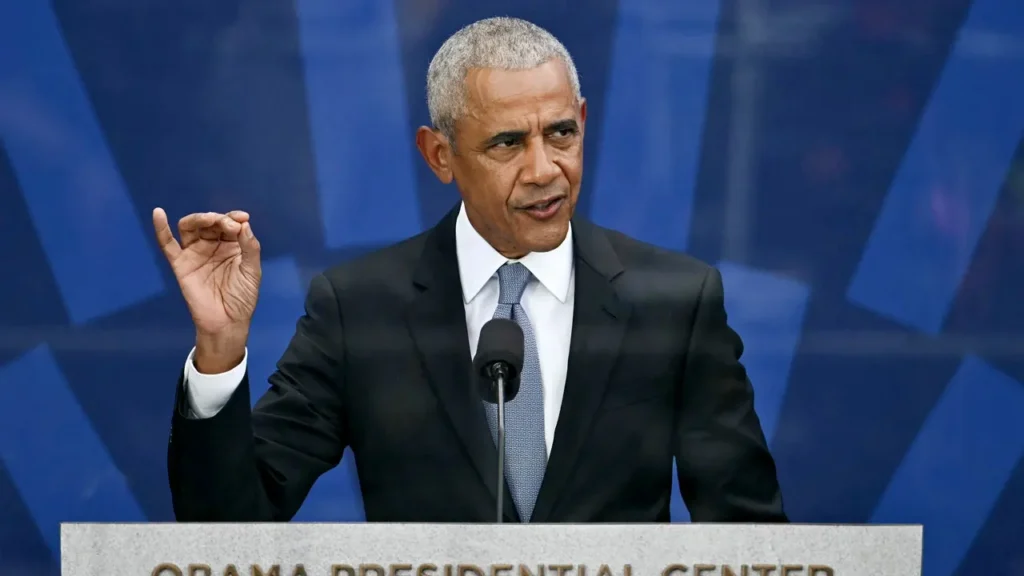
During his second term in particular, Obama took direct steps to address racial disparities in the justice system. In August 2010, he signed the Fair Sentencing Act, which reduced the long-criticized 100-to-1 sentencing disparity between crack and powder cocaine offenses down to 18-to-1 and eliminated the mandatory minimum sentence for simple possession of crack cocaine.
Obama also exercised presidential clemency power on an unprecedented scale for modern presidents, commuting the sentences of more than 1,700 individuals—most of whom were serving lengthy sentences for nonviolent drug offenses under outdated laws. In 2015, he became the first sitting president to visit a federal prison, and in 2016, he banned solitary confinement for juveniles in federal custody.
Following high-profile police killings of Black Americans in Ferguson, Baltimore, and elsewhere, the Obama Justice Department launched “pattern-or-practice” civil rights investigations into more than two dozen local police departments, resulting in federal consent decrees requiring systemic reforms. He also established the Task Force on 21st Century Policing and restricted the transfer of certain surplus military equipment to local law enforcement agencies.
Education, Targeted Initiatives, and Cultural Milestones
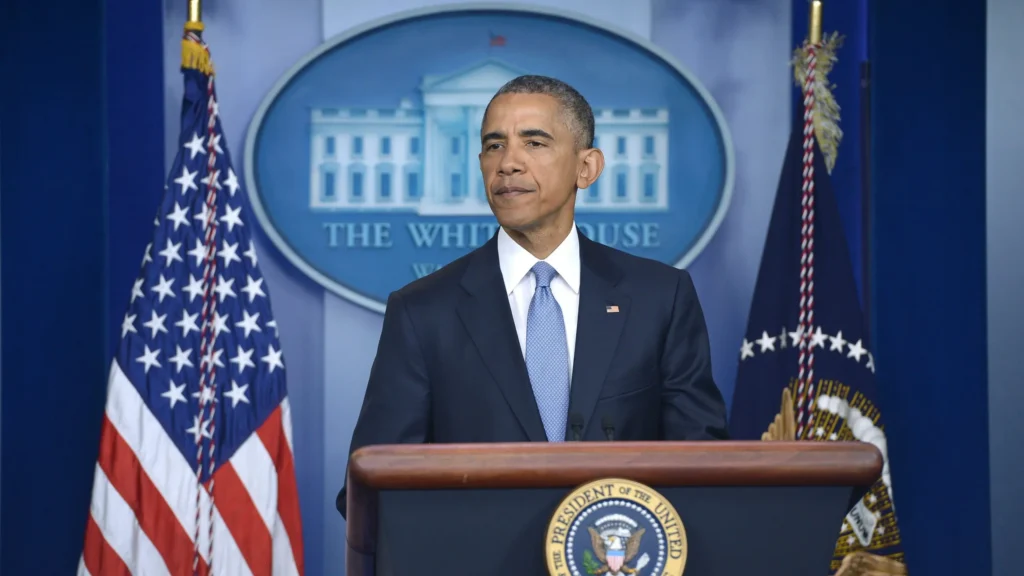
Beyond broad legislative reforms, the Obama administration launched several programs and initiatives aimed at expanding educational, institutional, and cultural opportunities for Black Americans.
My Brother’s Keeper (MBK)
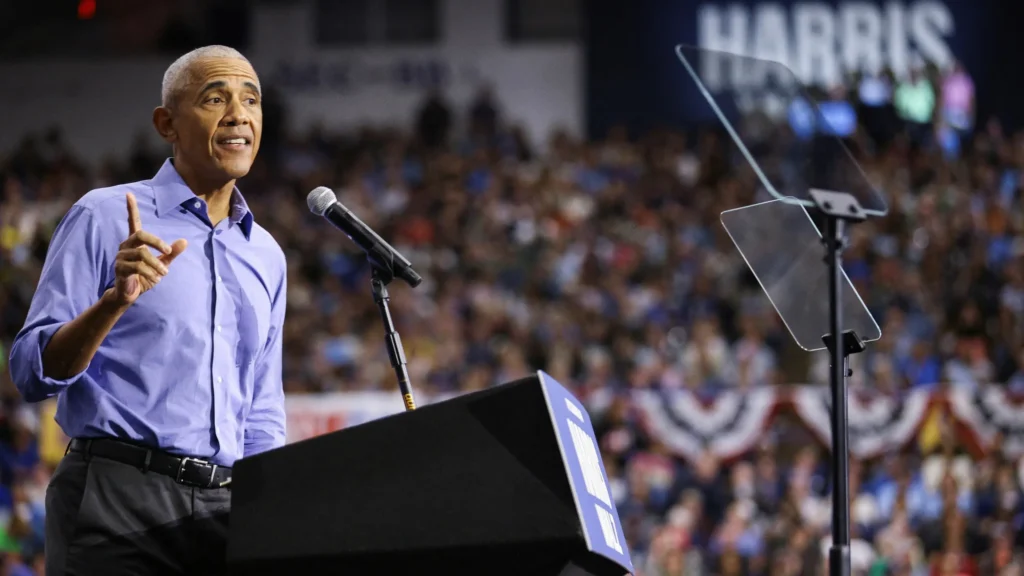
Launched in 2014 in the aftermath of Trayvon Martin’s death, My Brother’s Keeper was the first White House initiative specifically dedicated to closing opportunity gaps for boys and young men of color. The program focused on addressing critical life milestones, from early childhood literacy to career readiness and criminal justice reform.
According to the Obama Foundation, the initiative mobilized nearly 250 communities across all 50 states and secured over $1 billion in private-sector commitments for mentorship, education, and workforce readiness programs.
Support for HBCUs and College Access
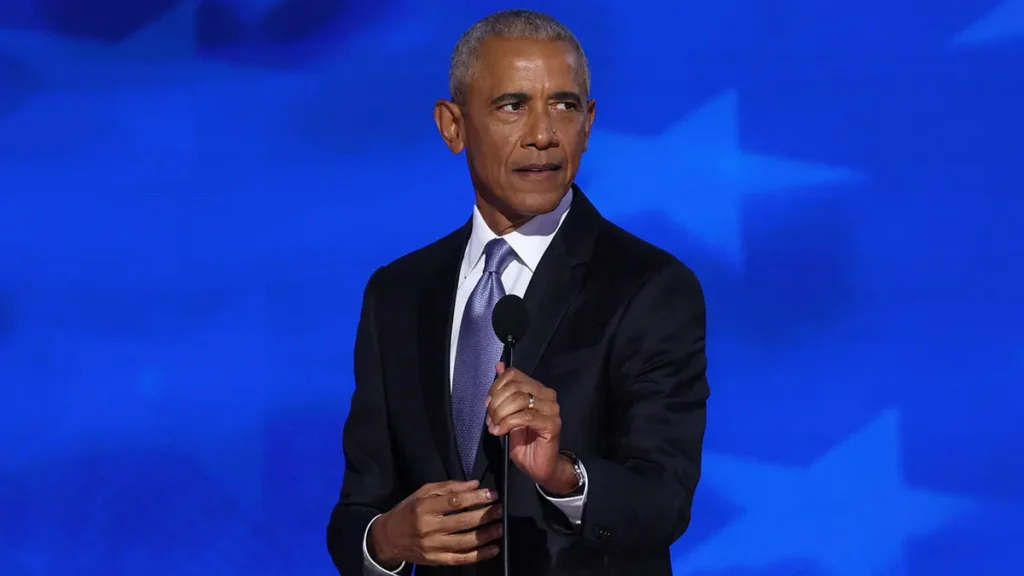
To expand access to higher education, the administration increased federal Pell Grant funding and provided targeted administrative support for Historically Black Colleges and Universities (HBCUs). As a result of these policies, Pell Grant awards for students attending HBCUs rose from $523 million in 2008 to $824 million by the end of Obama’s presidency.
Alongside increased financial aid, broader federal education initiatives coincided with measurable gains in student attainment. Overall, Black high school graduation rates reached historic highs, and Black college enrollment increased significantly during his tenure.
Representation and Cultural Recognition
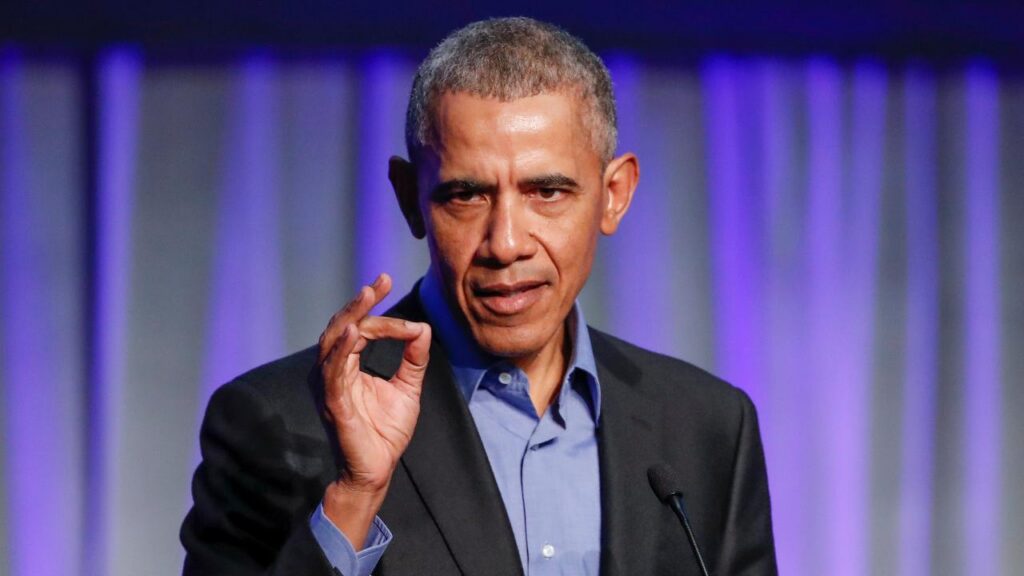
Obama also reshaped federal representation by appointing a historic number of African Americans to senior government posts and the federal judiciary. Among his most notable appointments were Eric Holder and Loretta Lynch, who served as the nation’s first two Black Attorneys General, alongside dozens of Black federal judges across district and appellate courts.
In addition to diversifying federal leadership, Obama oversaw major milestones in preserving Black history. He broke ground on the Smithsonian National Museum of African American History and Culture on the National Mall, officially opening the institution in September 2016.
Economic Recovery and the Racial Wealth Gap
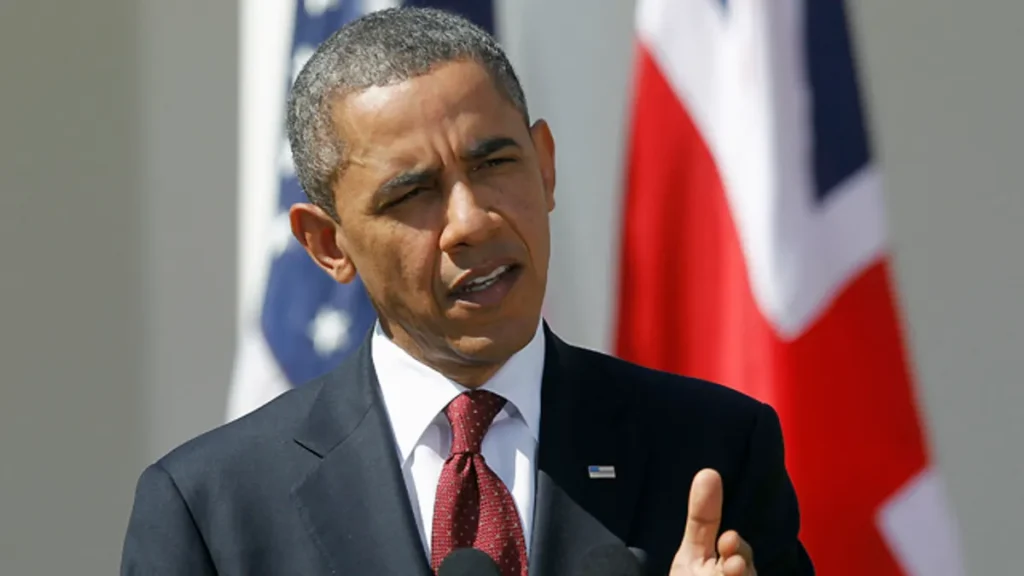
Despite these milestones, Obama’s economic legacy in Black communities remains a central point of criticism. Entering office during the worst financial crisis since the Great Depression, Obama prioritized stabilizing the broader economy and passing the 2009 stimulus package, which helped bring the Black unemployment rate down from a peak of 16.8% in 2010 to 7.8% by the time he left office in January 2017.
However, economists and civil rights advocates have pointed out that the Great Recession wiped out a disproportionate share of Black household wealth—largely tied to homeownership—and that federal foreclosure-relief programs failed to prevent millions of families from losing their homes. While Wall Street and stock-holding households rebounded rapidly,Black homeownership rates continued to decline during his presidency, and the median racial wealth gap widened to its largest level in three decades.
Additionally, some Black leaders and grassroots organizers—including voices within the Movement for Black Lives—argued that Obama was often reluctant to speak directly about systemic racism or push for race-specific economic remedies, such as targeted relief for distressed Black neighborhoods or structural reforms to address intergenerational wealth inequality.
A Complex Legacy
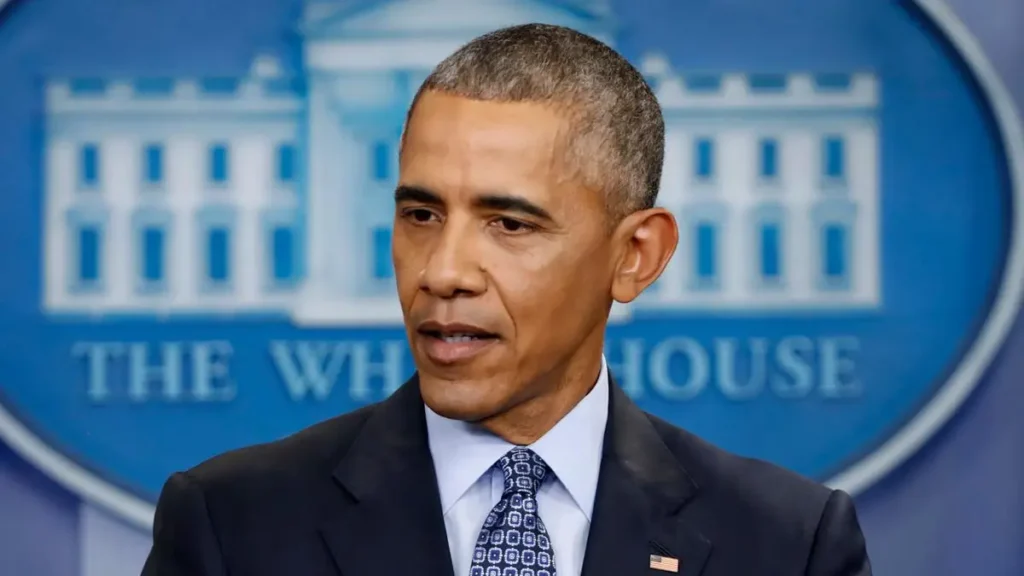
Barack Obama’s presidency fundamentally reshaped the possibilities of political representation in America while delivering landmark expansions in healthcare coverage, civil rights enforcement, and clemency. At the same time, his eight years in office demonstrated the limits of universal, race-neutral policymaking in closing entrenched economic divides—leaving behind a legacy celebrated for its historic breakthroughs yet debated for what remained unfinished.