
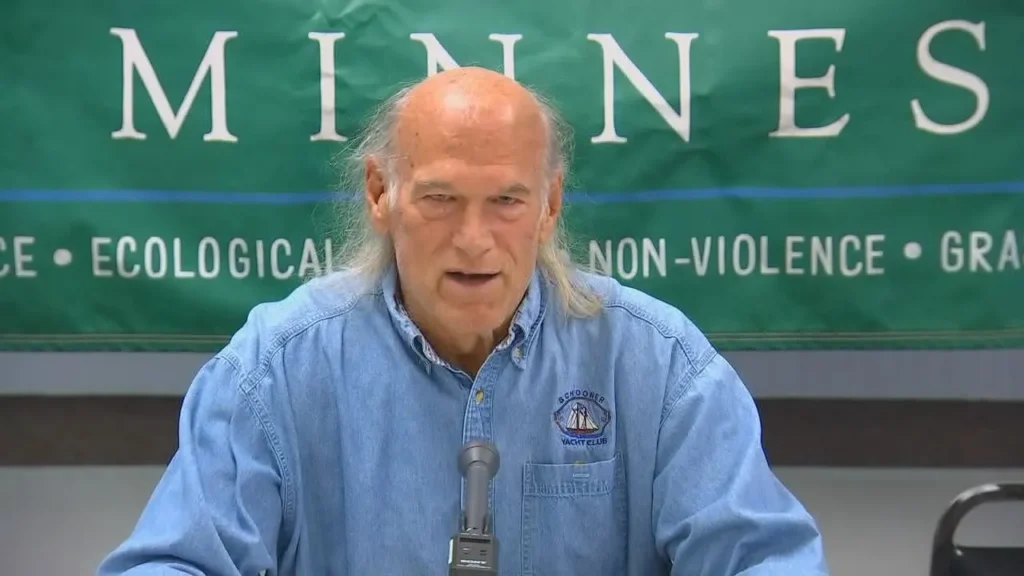
In April 2017, I sat down with Jesse “The Body” Ventura—the former Navy SEAL, professional wrestling legend, and 38th Governor of Minnesota—on Scoop B Radio Overtime. Jesse has never been one to follow a script, and our conversation quickly moved from the squared circle to the halls of power. During our session, Ventura dropped a “buttoned-up” critique of the American political machine, stating flatly that “the United States government never admits to any wrongdoing.”
Reflecting on this in 2025, Ventura’s words serve as the definitive thesis for his post-political career as a watchdog. He wasn’t just venting; he was analyzing the psychological barriers that keep citizens from demanding accountability.
The “Comfort Zone” Barrier
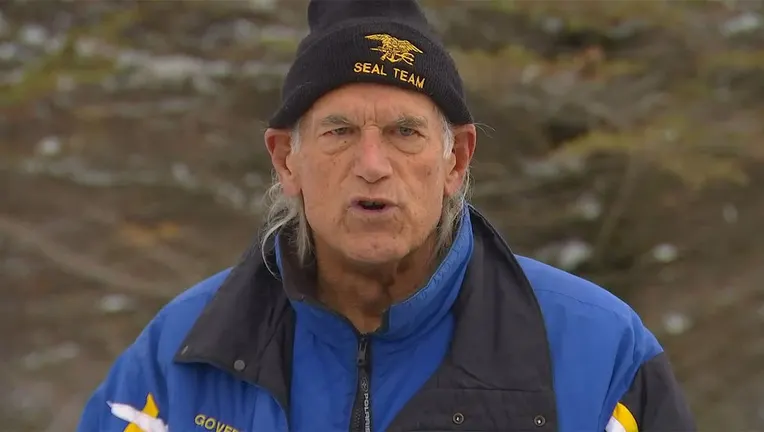
One of the most striking points Jesse made was that the lack of government accountability isn’t just a political problem—it’s a social one. He argued that the American public is often complicit in its own ignorance because the truth is too heavy to carry.
“I don’t think people like the truth because many times the truth takes them out of their comfort zone,” Ventura told me. “When you learn the truth—like a lot of things our country does internationally—then you learn about it, we don’t look so good. People do not like to be taken out of their comfort zone.”
In 2025, this observation remains incredibly relevant. In an era of deep polarization, Jesse’s 2017 session was a reminder that real “patriotism” requires the courage to look at the nation’s mistakes without blinking.
The Cost of Dissent: The Iraq War Reflection

Jesse used his own experience as an early opponent of the Iraq War to illustrate the price of speaking truth to power. He noted that even when the “mistake” becomes obvious years later, the government still refuses to provide a formal apology or admission of fault.
“I spoke out opposing the invasion of Iraq before it happened, and I got blistered for it… and yet when you look back on it today, it’s probably the biggest foreign policy mistake we’ve made in my opinion since I’ve been alive. But you notice we never admit to a mistake.”
The Two-Party “Gangs”
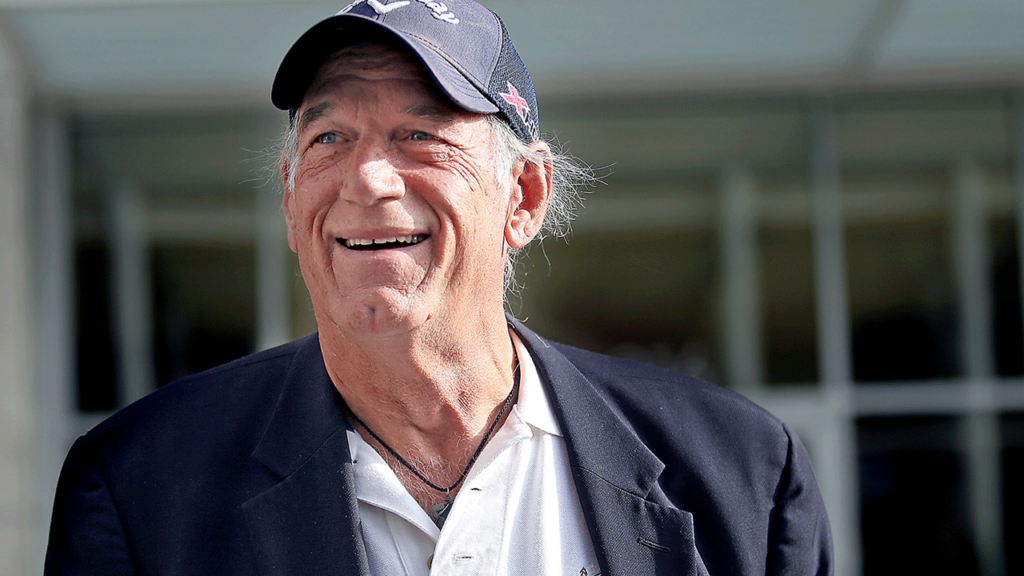
Our dialogue also touched on the themes of his book, DemoCRIPS and ReBLOODlicans. Ventura has long argued that the two-party system functions more like rival street gangs than actual public servants. By 2017, he saw the rise of figures like Donald Trump as a symptom of a public that was finally getting “vigilant,” even if the results were chaotic.
| Jesse’s Political Career | Role | Key Philosophy |
| Navy SEAL | UDT Member | Discipline and technical execution. |
| Governor (MN) | Reformer | Independence from the two-party system. |
| Post-Politics | Author / Watchdog | Radical transparency and skepticism. |
2025 Retrospective: The Legacy of a Statesman
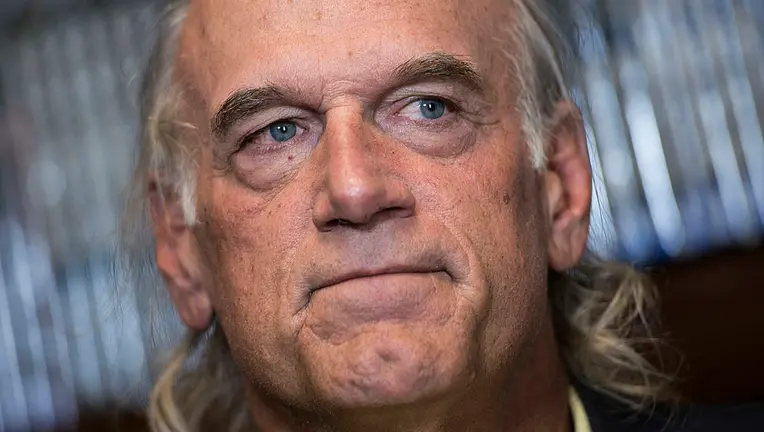
Today, Jesse Ventura is viewed as one of the few figures who successfully transitioned from entertainment to serious executive leadership without losing his “outsider” edge. His 2017 session on Scoop B Radio was a “buttoned-up” warning that accountability is something that must be taken, not given.
As Jesse said to me:
“Ultimately, all problems in this country could be resolved by the people, but the problem is the people aren’t vigilant.”
In the age of 2025, where information is everywhere but “truth” is harder to find, Ventura’s 2017 call for vigilance remains a masterclass in civic duty.