

When I sat down with Kenyon Martin for Scoop B Radio in September 2017, we talked about the grit that defined those legendary Cincinnati Bearcats teams of the late 90s. Kenyon is a man who played with a snarl, but he revealed that his intensity was forged in the fires of Bob Huggins’ legendary (and often literal) “in-your-face” coaching style.
Fast forward to December 2025, and as the sports world looks back at the era of the “Hard-Nosed Coach,” the story Kenyon told me about Huggins storming a bathroom stall remains the ultimate example of a style of motivation that simply wouldn’t exist in today’s game—but it’s exactly what made K-Mart a #1 overall pick.
The Hinges of Motivation

The story sounds like something out of a locker room fever dream. As Kenyon recounted, Huggins was “on” teammate Ryan Fletcher (the man responsible for the full-court pass that beat #1 Duke in ’98). One day, Huggins took his pursuit to the next level—literally knocking a bathroom stall door off its hinges while Fletcher was inside to continue a “tongue-lashing.”
“I heard it, so I went and looked,” Kenyon told me, laughing. “I came back around the corner and told Hugs: ‘You might not want to f*** with Fletch today.’”
2025 Vision: The Talent Density of Mental Toughness
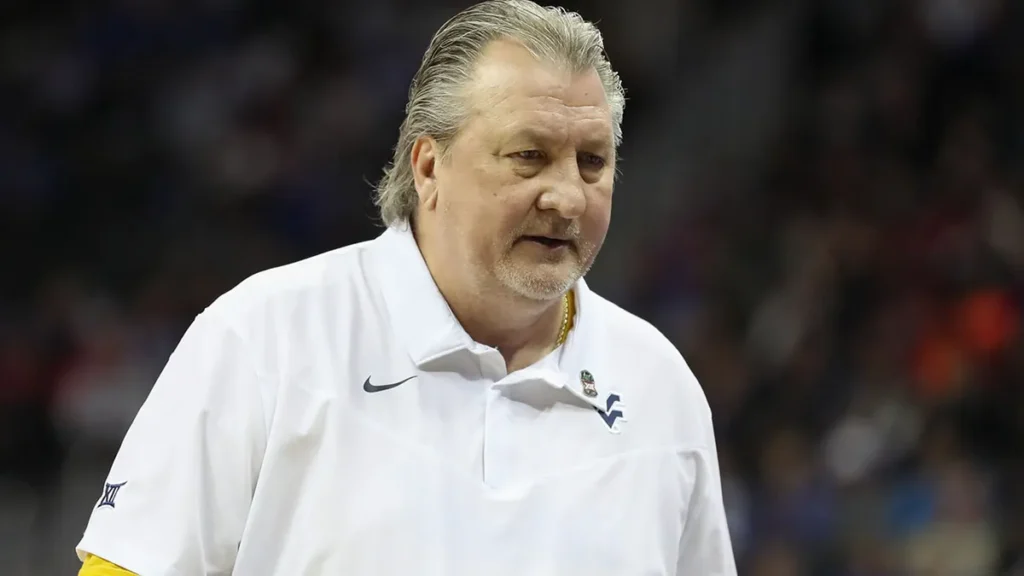
In 2025, coaching has moved toward “load management” and “emotional intelligence,” but the Bearcats’ success was built on a different kind of talent density—the ability to survive the Huggins gauntlet:
- The MVPs (The “No-Break” Mindset): Huggins didn’t just want you to play hard; he wanted to see if he could break you. As Kenyon noted, if you had “thin skin,” Cincinnati wasn’t for you. K-Mart thrived because he played exactly how Hugs coached: “Go straight forward.”
- The Snipers (The Emotional Agitators): Huggins was a master at finding a player’s “annoyance point.” He wanted you annoyed so you’d play with a fury. In 2025, we call this “disruptive motivation,” but in ’98, it was just “Huggie Bear” being Huggie Bear.
- The Defensive Anchors (Loyalty Through Fire): Despite the “bathroom stall” moments, Kenyon still calls Huggins the best coach he ever played for. That loyalty, forged in extreme circumstances, is a “defensive anchor” that has kept the 2000 Bearcats’ legacy alive for decades.
A Different Breed of “Accountability”
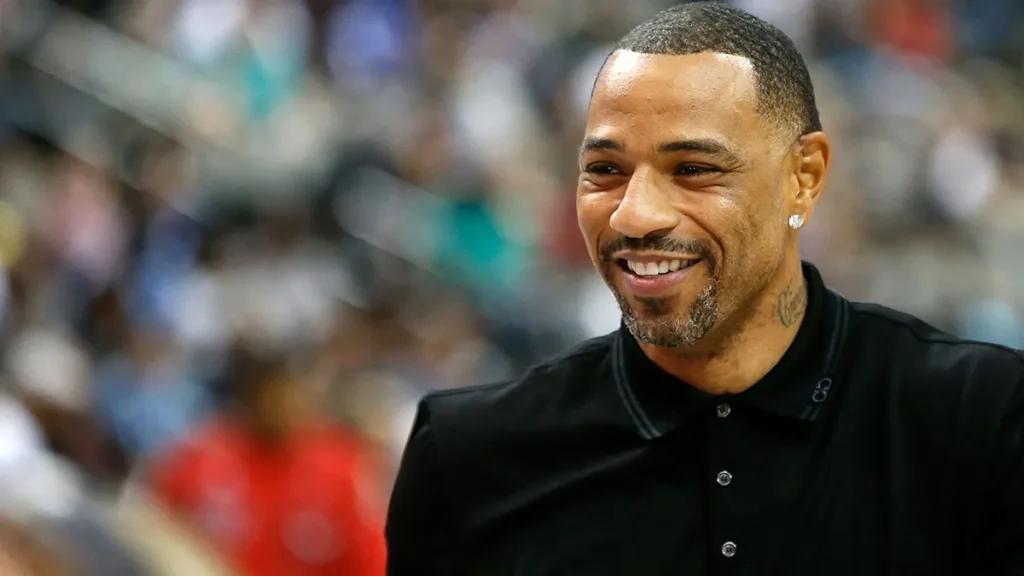
What made my 2017 talk with Kenyon so poignant was his defense of this “old school” approach. He relished the fact that Huggins didn’t have to “get on him” about playing hard because they were cut from the same cloth.
In 2025, we use data to track a player’s “stress levels,” but Huggins used a more manual method—like checking the bathroom stalls. It was a “laundry list” of moments that built a team that was, for a time, the scariest in America. While the 2025 version of basketball is more refined, it lacks the raw, “door-off-the-hinges” energy that turned Kenyon Martin into a Wooden and Naismith Award winner.
The Final Scoop: Survival of the Toughest

Revisiting this article is a reminder that the player-coach bond isn’t always built on polite conversations; sometimes it’s built on surviving a bathroom ambush. Kenyon told me, “He wants you to play harder… he doesn’t want anybody that he can break.”
As we look at the NBA landscape in late 2025, we see fewer “K-Marts”—players who are as physically imposing as they are mentally unshakeable. That’s because the “Huggins School of Motivation” has mostly closed its doors. But for those who graduated, like Kenyon, the lessons learned in those stalls and on those courts created a level of “grind” that will never go out of style.