
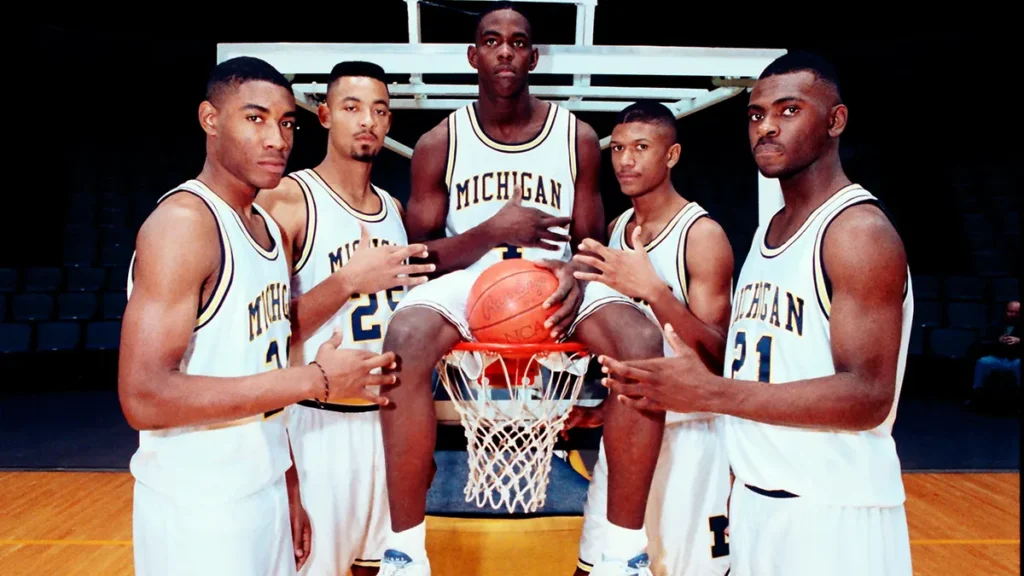
In March 2017, Jalen Rose joined me for a session on Scoop B Radio that served as a deep dive into the cultural DNA of the Michigan Fab Five. Decades after they first stepped onto the Crisler Center floor, the group—Rose, Chris Webber, Juwan Howard, Jimmy King, and Ray Jackson—remains the blueprint for “disruptive excellence.” Jalen’s “buttoned-up” reflection focused on the fact that their impact wasn’t just about winning; it was about how they looked, sounded, and moved in a way that the college basketball establishment simply wasn’t ready for.
Reflecting on this in December 2025, Jalen’s words highlight the birth of “swag” as a form of social resistance and branding.
“We Looked Different, Sounded Different”
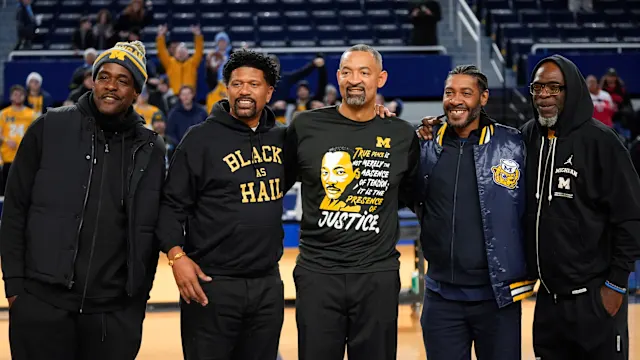
Jalen was the primary architect of the Fab Five’s aesthetic. In 2017, he reminded us that their most famous contributions—the baggy shorts and black socks—weren’t just fashion choices; they were intentional assertions of identity.
“We were the original all-black everything,” Jalen told me. “We knew since we were getting free gear from Michigan and Nike, we might as well get gear we liked. We wanted to bring the flavor of the park and the inner city to the national stage. People called us ‘brash’ or ‘arrogant,’ but we were just being authentic to who we were.”
In 2025, this is recognized as the moment “lifestyle” and “sports” permanently merged. The Fab Five proved that you could be the most popular team in the country without adhering to the traditional, “clean-cut” image that institutions like Duke or Indiana demanded at the time.
The Hip-Hop Connection
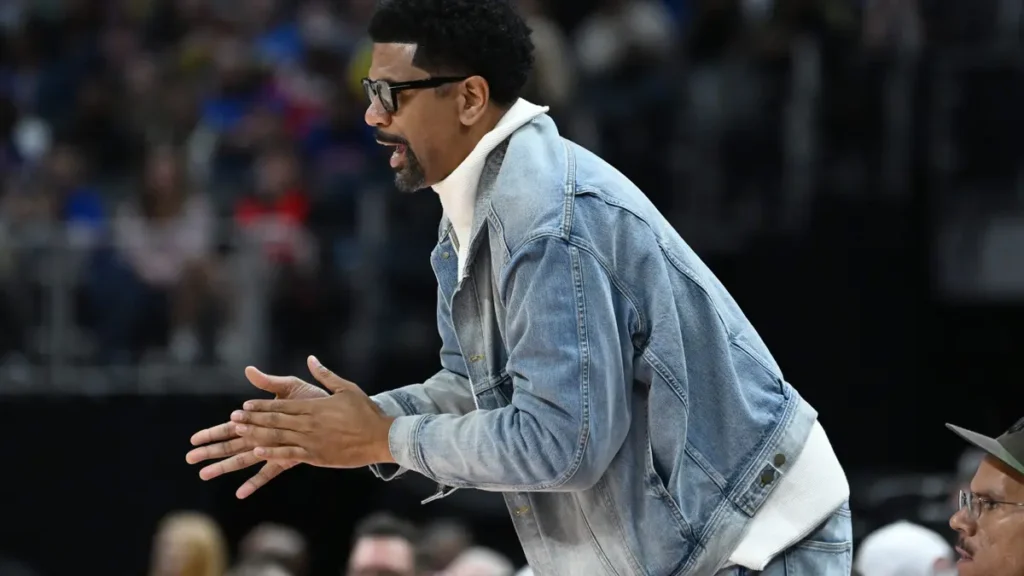
Jalen’s 2017 dialogue emphasized that the Fab Five was the first team to truly speak the language of Hip-Hop. They didn’t just play basketball; they performed it with a rhythmic, trash-talking energy that mirrored the lyrics of Naughty by Nature or EPMD.
- The Sound: Constant communication and “brash” trash talk.
- The Movement: Swagger that extended from the warm-ups to the post-game pressers.
- The Sacrifice: Jalen noted that they were often penalized by officials and the media because their energy was misinterpreted as a lack of respect for the game.
| The Fab Five Cultural Checklist | The “Standard” (Pre-1991) | The Fab Five (1991-93) |
| Uniform Style | Mid-thigh, tight shorts. | Knee-length, baggy “board” style. |
| Socks | Traditional white crew socks. | Signature black socks. |
| Recruitment | Staggered classes / Upperclassmen lead. | Five freshmen starters (The 1991 Class). |
| Attitude | Disciplined, “Coach-first” optics. | Player-led “brashness” and identity. |
The “Bunker” Mentality
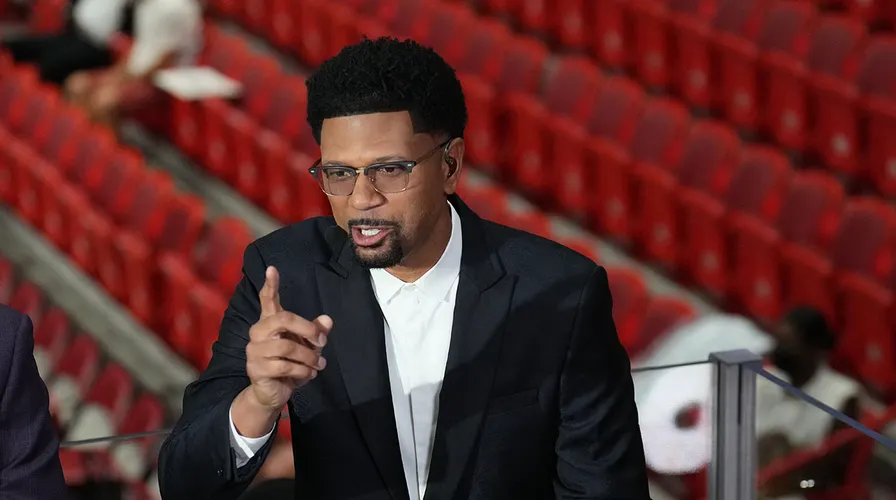
Jalen also discussed the “us against the world” mindset that kept the five freshmen bonded. Being hated by opposing fans—who famously chanted “crackhouse” at Jalen during a game—only strengthened their resolve.
“You have to have a bunker, foxhole type mentality,” he remarked in our session. “When you’re doing something different, people are going to throw stones. We just made sure we were all in the foxhole together.”
2025 Retrospective: The Banners and the Bonds
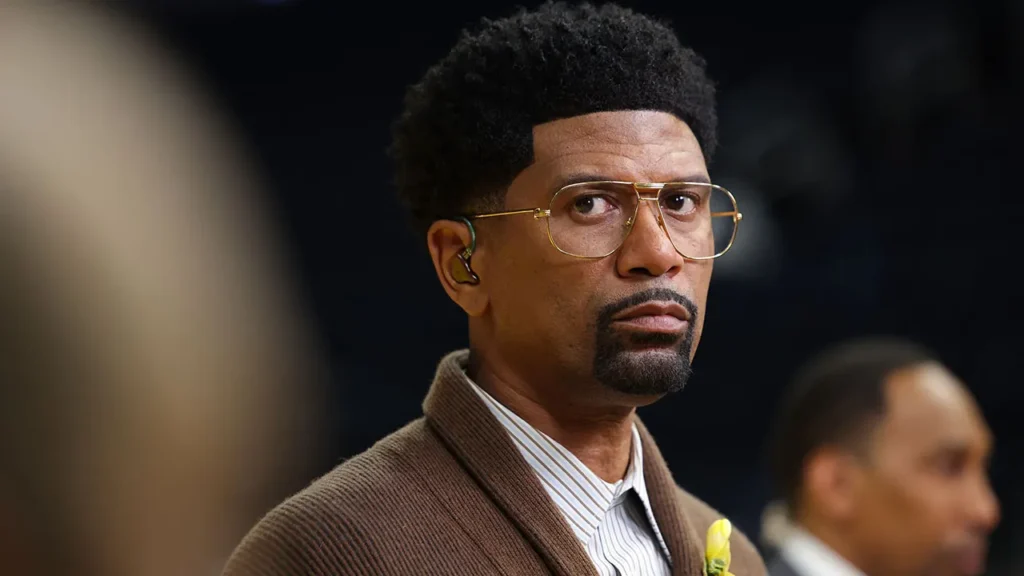
Today, the Fab Five’s legacy is undergoing a “reconciliation” era. With Juwan Howard having served as the head coach and Chris Webber back in the university’s good graces, the “brash” kids of the 90s have become the “O.G.s” of the present. Jalen’s 2017 session on Scoop B Radio was a bridge to this future, reminding us that being “brash” was the only way to change a game that was standing still.
As Jalen told me:
“It won’t ever be restored until they put those banners back up.”
In 2025, while the physical banners are still a point of contention, the cultural banners are flying higher than ever.