
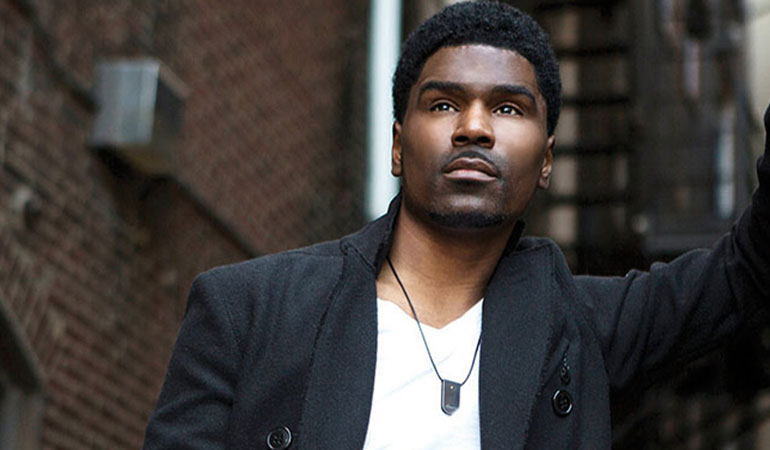
In 2017, I sat down with Grammy-nominated crooner Glenn Lewis on Scoop B Radio to deconstruct one of the most transformative movements in music history: the Philadelphia Neo-Soul era. At the time, we were looking back at a decade of dominance. Today, in 2025—as Gen Z discovers these “analog” vibes and R&B undergoes a mainstream resurgence—Lewis’s insights serve as a buttoned-up masterclass on the importance of creative community and sonic authenticity.
Reflecting on that dialogue today, the “Don’t You Forget It” singer’s perspective reminds us that what we call “nostalgia” was actually a meticulously crafted revolution.
The Philly Ecosystem: A Collective Brilliance
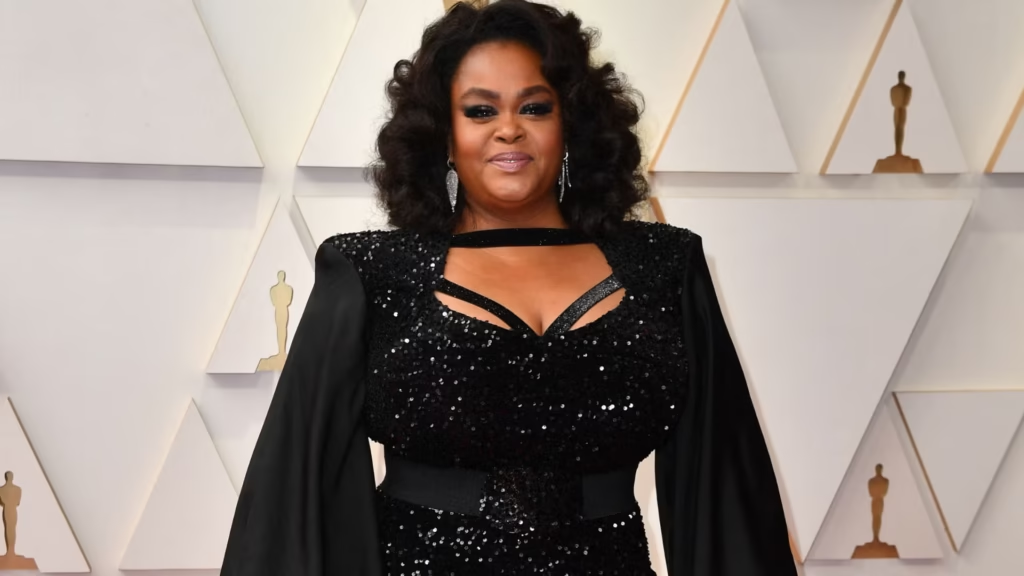
In our session, Lewis painted a picture of Philadelphia not just as a city, but as a laboratory. The success of the era wasn’t about solo acts; it was about a shared frequency between artists like Musiq Soulchild, Erykah Badu, Jill Scott, and Marsha Ambrosius.
“It was a special time because everybody was so supportive of one another,” Lewis told me. “You had Musiq, Jill, Floetry… we were all just around each other, and it was a very organic, creative environment.”
In 2025, where “collabs” are often handled via email and file-sharing, Lewis’s recollection of being “around each other” hits differently. He highlighted a standard of excellence that was born from proximity—a reminder that the greatest movements in music usually happen when the “Dream Team” is in the same room.
The Neo-Soul Label: Art vs. Marketing
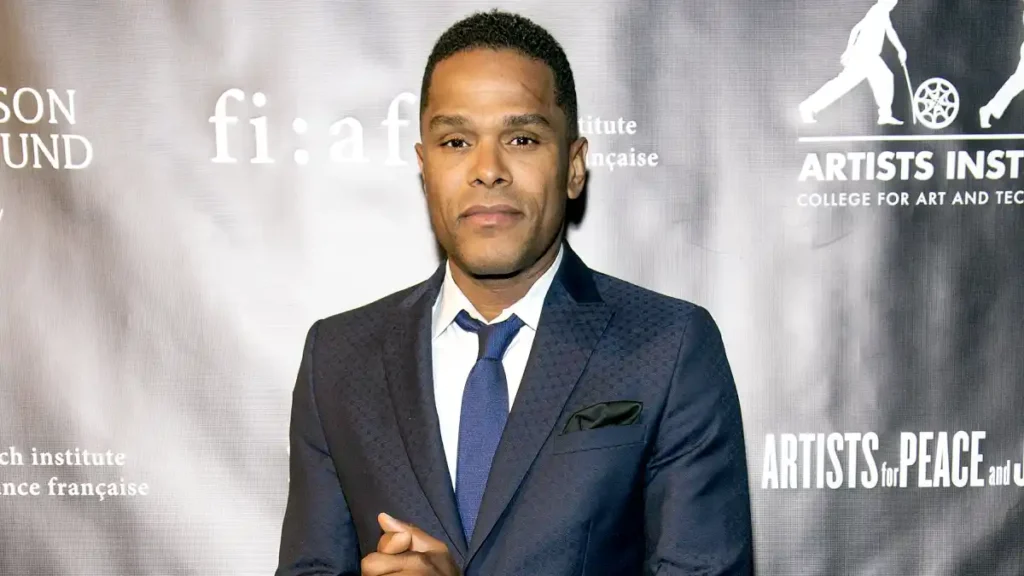
We discussed the “Neo-Soul” tag—a term coined by Kedar Massenburg that many artists of the time had a complex relationship with. Lewis viewed it through a lens of professional pragmatism, even as he protected his artistic identity.
“Labels like ‘Neo-Soul’ were more for the industry to categorize us, but for us, it was just soul music. It was a lifestyle, and it was about the honesty in the songwriting.”
Today, as the lines between R&B, Lo-fi, and Jazz continue to blur, Lewis’s insistence on “honesty” remains the ultimate metric. He taught us that while the industry needs a label to sell a record, the artist needs a “lifestyle” to sustain a career.
The Stevie Wonder Comparisons and Artistic Integrity
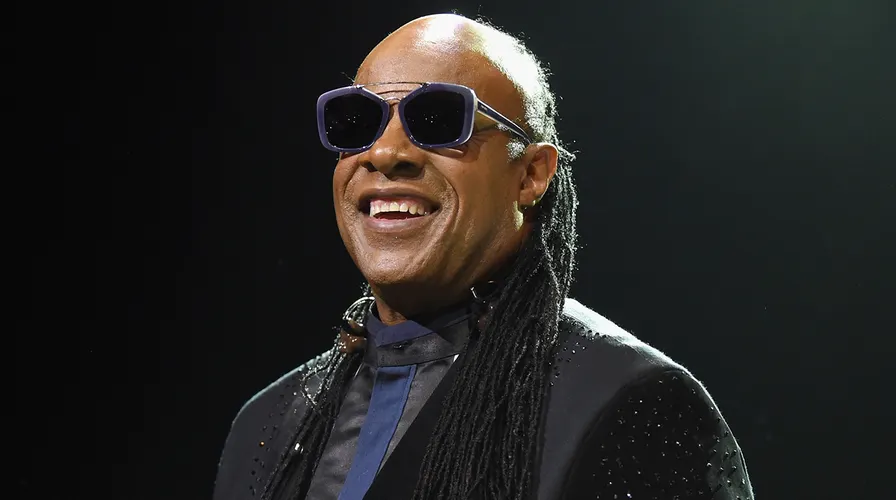
Throughout his career, Lewis has been compared to the legendary Stevie Wonder. In our 2017 interview, he handled the comparison with the poise of a scholar, viewing it as a responsibility rather than a burden.
“Stevie is the blueprint. To even be mentioned in the same breath is an honor, but you always have to find your own voice within that inspiration.”
Looking at the R&B landscape in 2025, where interpolation and sampling are at an all-time high, Lewis’s focus on “finding your own voice” is a buttoned-up directive for the new generation. He proved that you can respect the blueprint without becoming a carbon copy.
The Legacy of the “Analog” Vibe

When we wrapped, Lewis was reflecting on the timelessness of the Philly sound. He understood that the music they made in the late 90s and early 2000s wasn’t trendy—it was foundational.
“The music we made then still resonates because it was based on real instruments and real emotions. People will always come back to what feels real.”
As we navigate an era of AI-generated melodies and digital saturation, Lewis’s 2017 prediction has come true. The Philly Neo-Soul era remains a sanctuary for listeners seeking “realness.” Glenn Lewis didn’t just give us hits; he gave us a standard of soul that remains the benchmark for 2025 and beyond.