
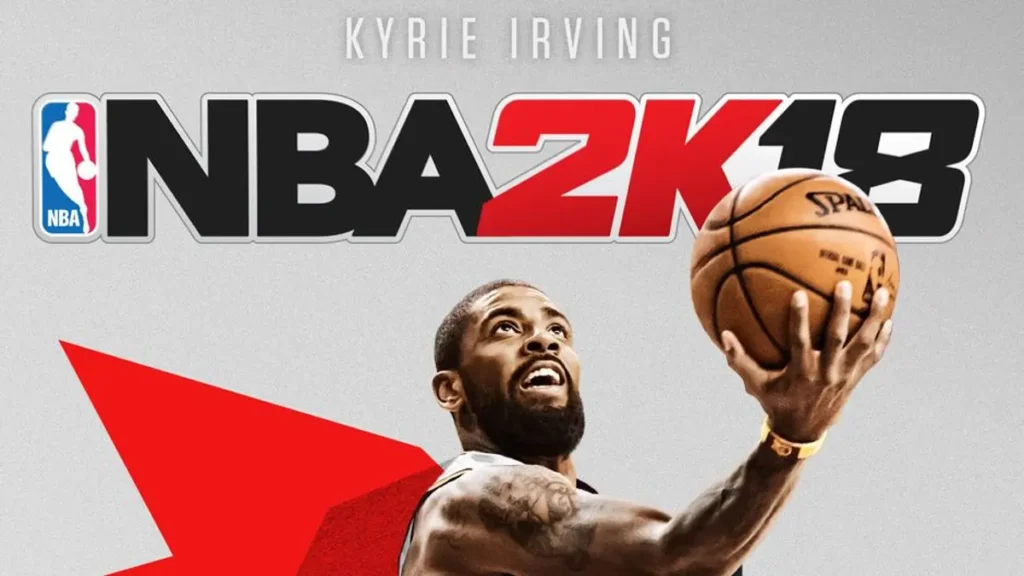
When I interviewed Ronnie Singh (better known as Ronnie 2K) back in 2017 for Scoop B Radio, the video game world was in a state of absolute panic. 2K Sports had just unveiled Kyrie Irving as their standard edition cover athlete, showing him in his Cleveland Cavaliers threads. Within weeks, the bombshell dropped: Kyrie was headed to the Boston Celtics.
Standing here in December 2025, it’s easy to look back at that as just a minor “glitch” in the matrix. But as Ronnie explained to me at the time, it was a production “headache” that fundamentally changed how video game publishers handle the volatility of the NBA.
The “Manufacturing Nightmare”

In 2017, Ronnie was candid about the reality of the situation. “I think it’s more of a headache than a lot of people think,” he told me. “The manufacturing doesn’t happen overnight. We don’t turn on a switch and the games are produced. There is a lot of effect to retail… signage that is going to be Cavaliers.”
By the time the trade was finalized, physical copies were already being prepped for shipment. It forced 2K to be “nimble,” leading to the release of two different covers: the original “Cavs” version (which has since become a collector’s item) and the later “Celtics” version.
2025 Vision: The Talent Density of Tech Logistics
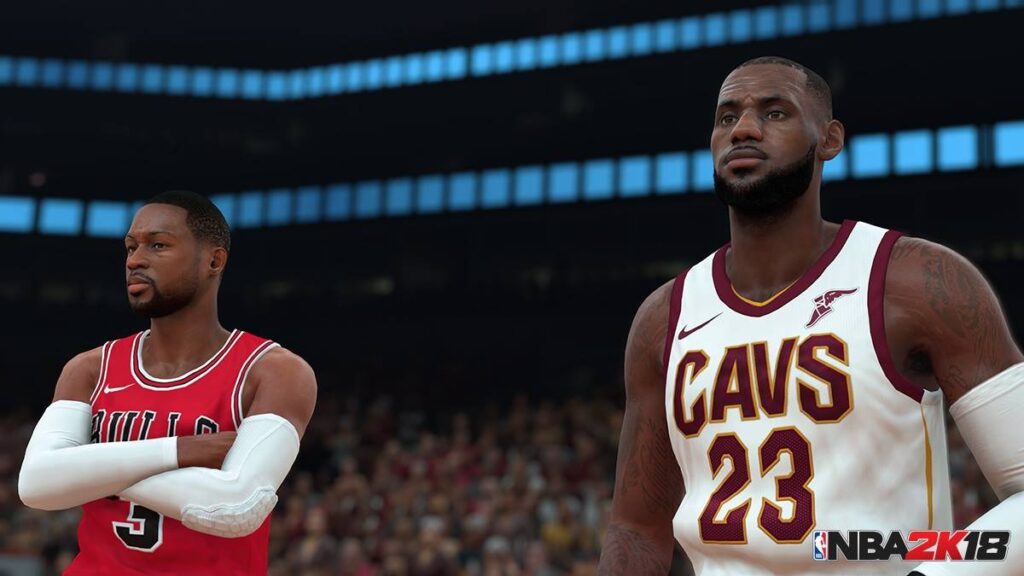
Looking at this through a 2025 lens, the way 2K handled that crisis set the stage for the hyper-fast digital updates we see today. The logistics of a cover swap in 2017 functioned like a championship-level defensive rotation:
- The MVPs (The Digital Pivot): Moving from physical-first to digital-first marketing allowed 2K to update loading screens and digital storefronts in seconds, even while physical boxes were lagging behind.
- The Snipers (The Marketing Pivot): Targeted social media campaigns that leaned into the “Whoops” of the trade, turning a potential PR disaster into a viral moment that kept the game at the center of the conversation.
- The Defensive Anchors (Production Longevity): The lessons learned in 2018 led to the “Anthony Davis protocol” for NBA 2K20, where the team was prepared for a potential trade long before it hit the news cycle.
The Death of “The Cover Curse”
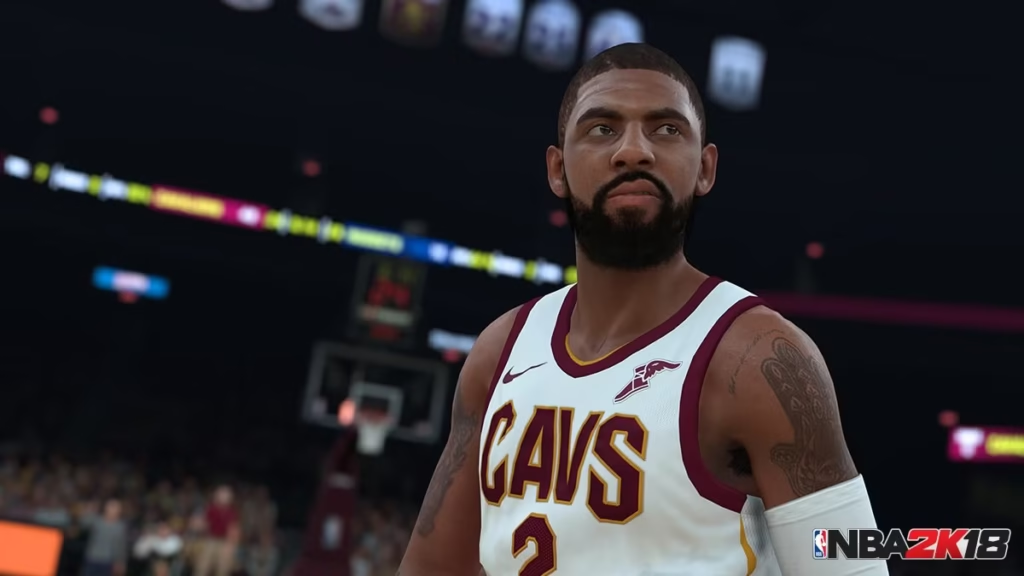
In our 2017 talk, we touched on the “2K Curse”—the idea that cover athletes always seemed to leave their teams. Since then, Ronnie and the 2K team have embraced the chaos. In 2025, we don’t call it a curse; we call it “The New NBA.” As 2K Senior Producer Rob Jones told me, the “loyalty aspect” has shifted. Players make choices to move, and 2K has had to evolve its entire manufacturing pipeline to be as fluid as a Kyrie Irving crossover.
The Final Scoop: A Culture of Agility
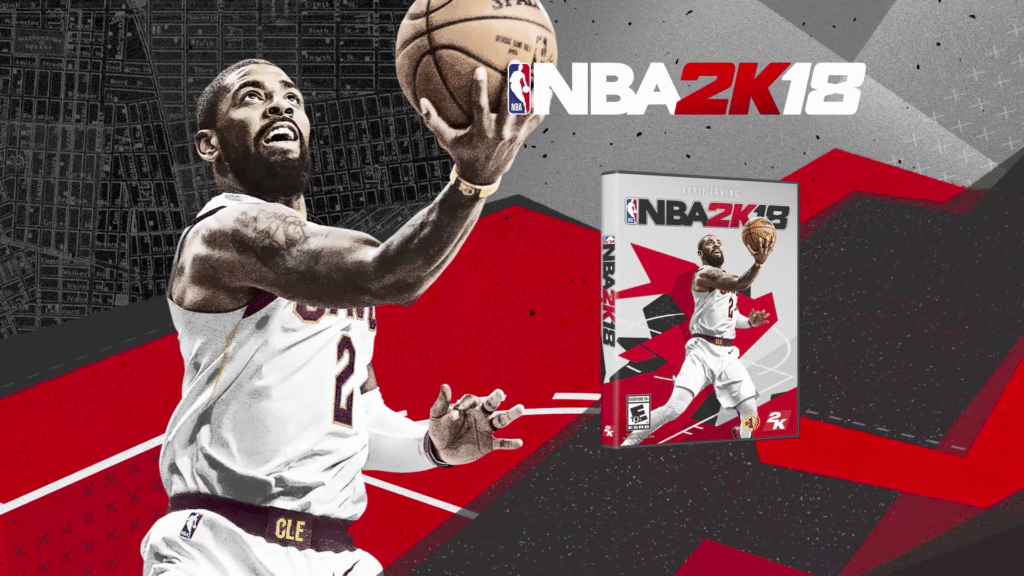
Revisiting this story in 2025 reminds us that the “headache” Ronnie described was actually the birth of a more agile sports media culture. Today, we expect our games to update their rosters and jerseys in real-time. But in 2017, it was a “nightmare” that required a team of humans to pivot on a dime.
Ronnie 2K wasn’t just talking about a box art change; he was talking about the end of the “static” era of sports gaming. As we look toward NBA 2K26 and beyond, the lesson remains the same: in the NBA, the only thing you can count on is change—and you’d better have a backup plan for the cover.