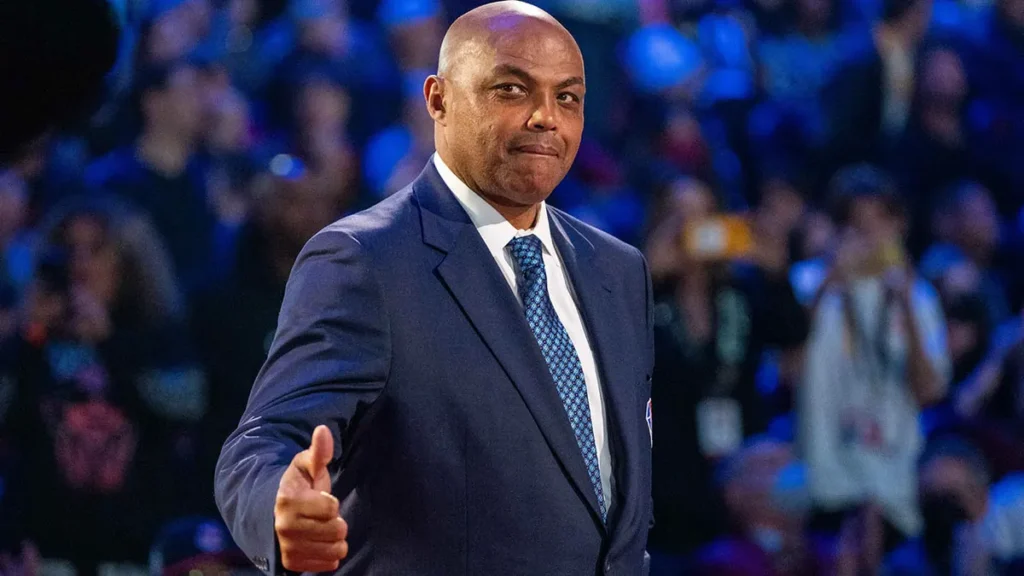
In May 2017, I sat down with Charles Barkley on Scoop B Radio during one of the most significant pivots of his career. At the time, Sir Charles was launching his TNT docuseries, American Race, a project that took him out of the “Inside the NBA” studio and into the front lines of America’s racial divide. During our conversation, Barkley dropped a “buttoned-up” reality check that resonated across the industry: “There’s racism, always has been, and always will be.”
Reflecting on this in 2025, Barkley’s 2017 stance wasn’t about defeatism; it was about a brutal, necessary honesty that he felt was missing from the “silly basketball” conversations.
The Motivation: Combatting the “Negative Light”
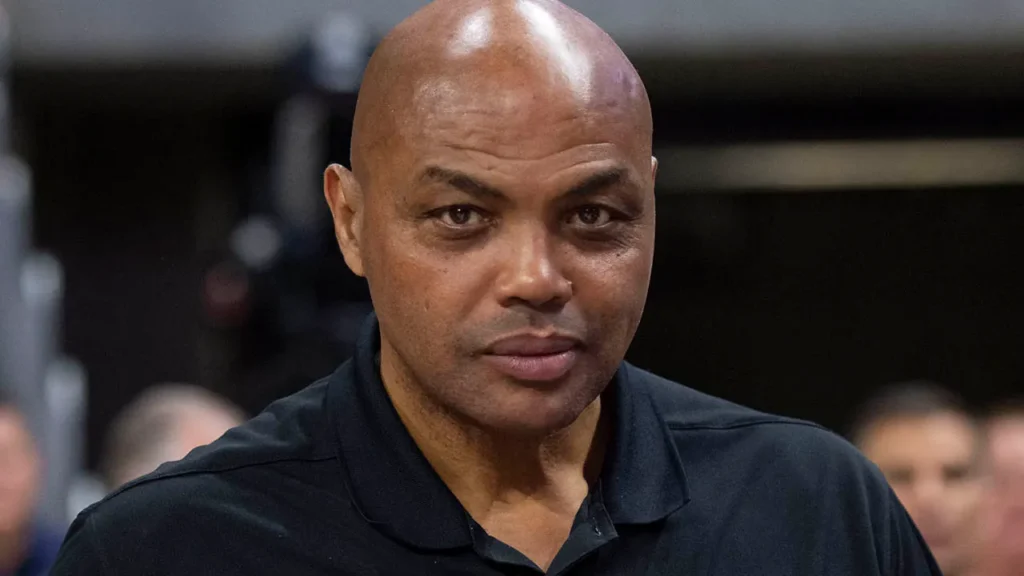
Barkley told me that the catalyst for the series was his deep frustration with how minorities are portrayed in the media. He felt that the industry was trapped in a cycle of harmful archetypes.
“If you are black on television, you are probably going to be some kind of thug or gangster,” Barkley remarked. “If you’re Muslim, you’re blowing stuff up. If you’re Hispanic, you’re a gangbanger. I’ve felt like this for years, and I wanted to do something that showed these are real people.”
In 2025, Barkley’s critique of the “media lens” remains a central theme in discussions about representation. His 2017 session was an attempt to use his massive platform to humanize groups that are often flattened by news cycles and stereotypes.
The Richard Spencer Encounter: Face-to-Face with the Alt-Right
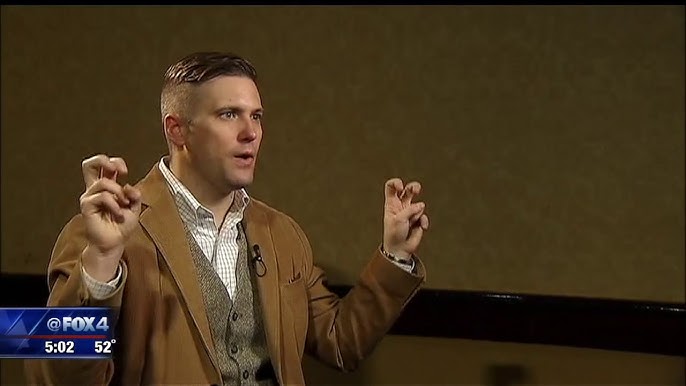
One of the most explosive elements we discussed was Barkley’s decision to sit down with white nationalist Richard Spencer. Many criticized Barkley for “giving him a platform,” but Charles defended the move as an essential part of understanding the “always will be” part of his racism quote.
“I give him credit for having the balls to go on TV and say his thing, because there are a lot of people who think like him and we don’t even know they are around,” Barkley told me. “I don’t like the dude, obviously, but he doesn’t hide behind it.”
Looking back from 2025, that interview is seen as a polarizing moment in sports-media history. Barkley’s “buttoned-up” approach was to confront the darkness directly rather than pretend it didn’t exist, even if it meant being rendered speechless by Spencer’s admission that he wanted to “expand and deepen white privilege.”
The “Agree to Disagree” Philosophy
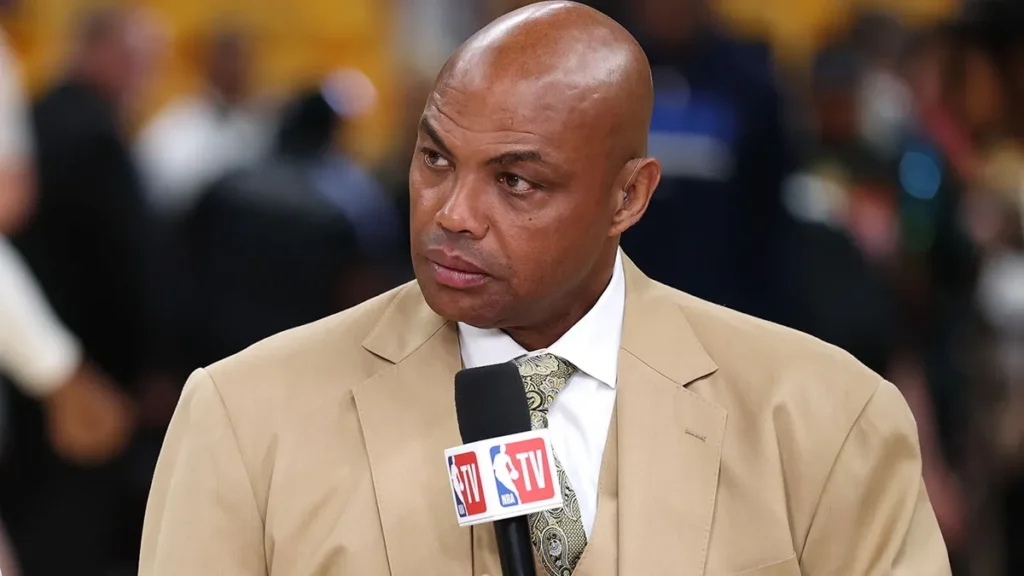
Throughout our 2017 dialogue, Barkley maintained his signature (and often controversial) stance on “agreeing to disagree.” Whether talking to Baltimore activists or policing experts, he insisted that the only way forward was through uncomfortable, honest dialogue.
“None of the conversations were happy-go-lucky,” he admitted. “I needed a beer after every conversation. But we have to have them.”
2025 Retrospective: The Legacy of a Provocateur
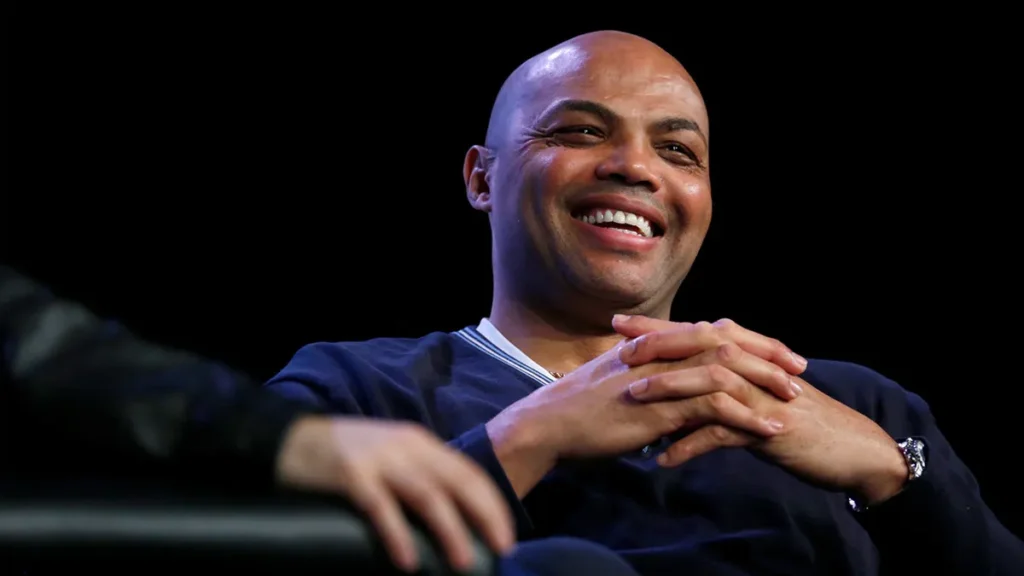
Today, Charles Barkley remains one of the few figures in sports who can navigate the “Third Rail” of racial politics while maintaining his seat at the center of entertainment. His 2017 session on Scoop B Radio was a declaration of his “social responsibility.”
| Episode Focus | Location | Key Theme |
| Policing & Unrest | Baltimore, MD | Accountability vs. Necessity |
| Muslim Identity | Irving, TX | Stereotypes & Tensions |
| Hollywood Image | Los Angeles, CA | The “Negative Light” of Media |
| Immigration | Atlanta, GA | Humanizing the “Other” |
Barkley’s 2017 assertion that racism is a permanent fixture of the human experience wasn’t meant to stop the work—it was meant to emphasize how hard we have to work to overcome it.