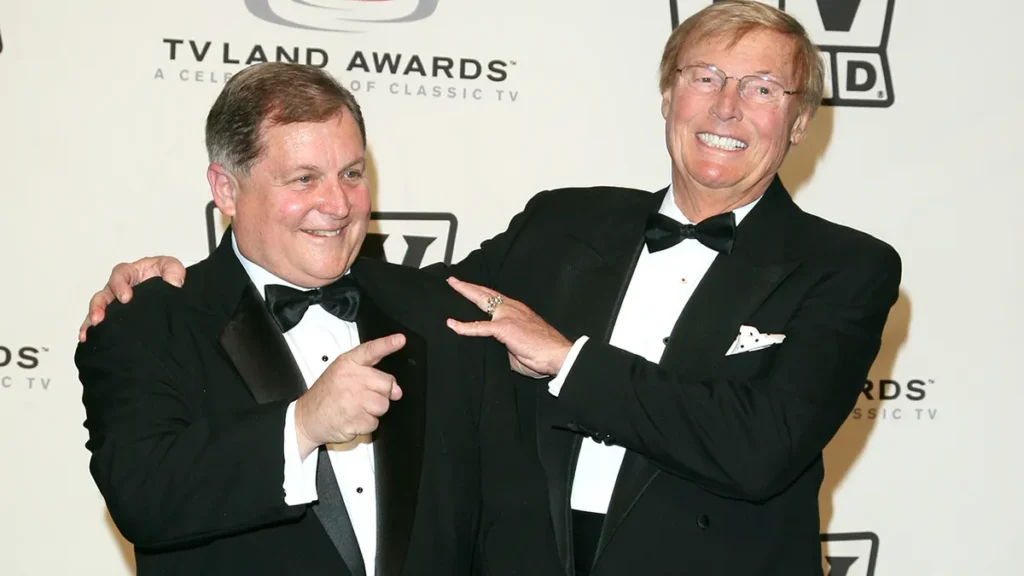
In June 2017, just as the world was honoring the memory of Adam West, I shared another pivotal moment from my Scoop B Radio session with Burt Ward. This time, we focused on the “invisible cast member” of the 1966 series: the iconic Batman Theme. At the time, we were discussing how a simple twelve-bar blues progression became a global anthem. Today, in 2025—as the theme continues to be sampled, remixed, and instantly recognized by every generation—Ward’s perspective on its “momentum” remains a buttoned-up tribute to the power of branding.
Reflecting on that dialogue, Ward didn’t just hear a song; he heard the heartbeat of the show’s success.
Neal Hefti and the Rhythm of Action
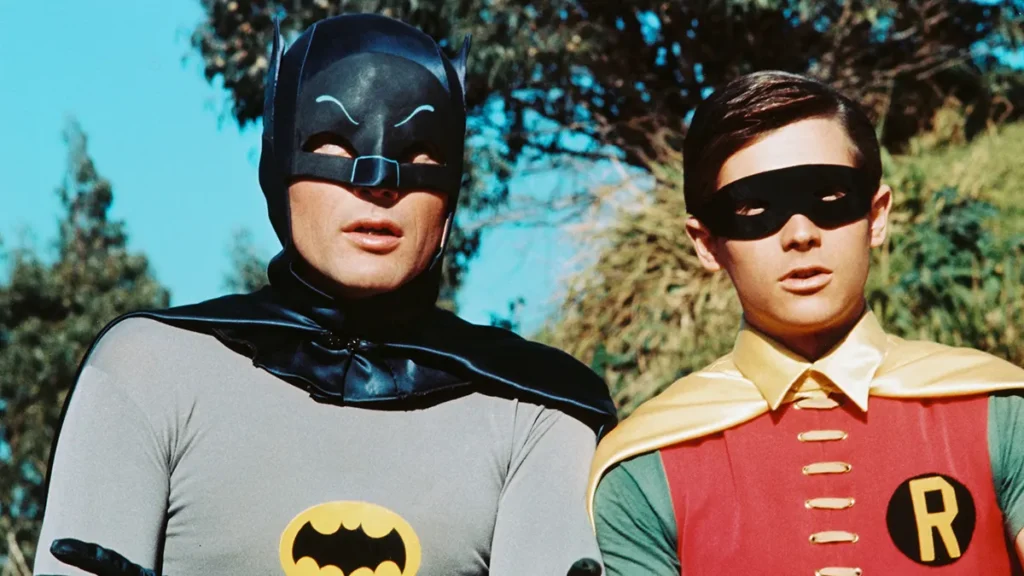
Composed by the legendary Neal Hefti, the Batman theme is often cited as one of the most effective pieces of television music ever written. Burt Ward recalled how the music wasn’t just background noise—it was a cue for the entire production’s energy.
“The music was everything,” Ward told me. “Neal Hefti created something that was driving, exciting, and fun. Every time you heard those horns and that bass line, you knew something big was about to happen. It set the pace for how we moved and how we fought.”
In 2025, that “driving” quality is what musicologists point to as a precursor to the “surf rock” and “spy film” scores that would define the 60s. Ward’s 2017 reflection highlights the synergy we discussed—where the music, the costumes, and the dialogue all functioned as a singular, high-energy machine.
The “Na Na Na Na” Global Currency
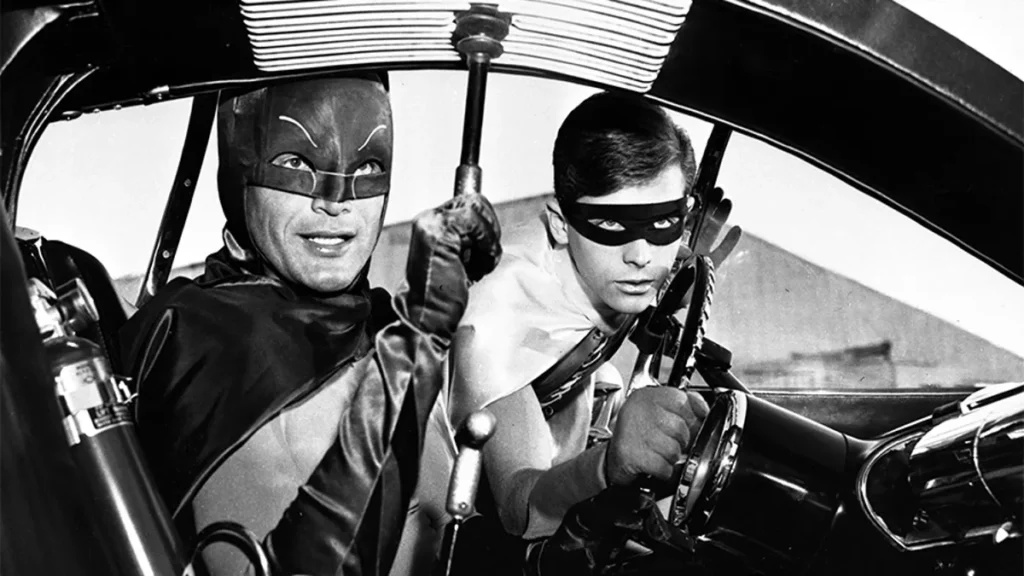
One of the most remarkable things about the theme is its simplicity. Consisting of only three chords and a repetitive hook, it became a universal language. Ward shared how the theme’s popularity was so immense that it preceded their arrival in cities all over the world.
“You could go anywhere in the world and just hum those few notes, and people would scream ‘Batman!’ It didn’t matter what language they spoke. That song was the ultimate calling card.”
Looking back from 2025, the theme’s status as a Grammy-winning hit is a reminder that simplicity is the ultimate sophistication. Ward’s “buttoned-up” observation about it being a “calling card” explains why the 1966 series remains the most “memorable” iteration of the character for many—the music created a mnemonic device that lived in the audience’s head forever.
The Legacy of the Sound
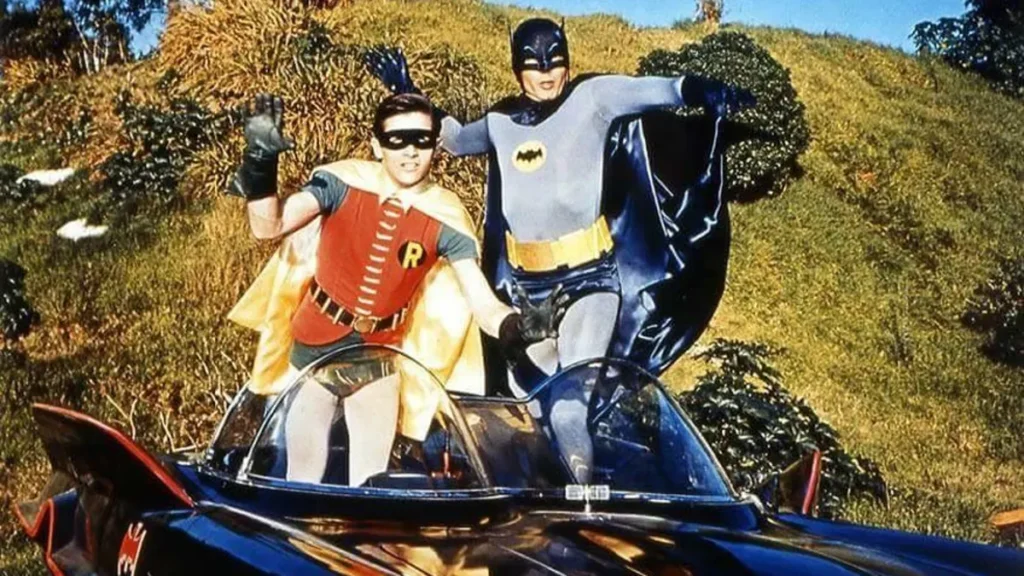
In our 2017 session, Ward was clear that the theme’s impact wasn’t just about the intro; it was about the “stings” and the musical cues that followed every cliffhanger. He credited the music with helping the show navigate its difficult “half-hour” format.
“The music held the episodes together. It gave us that urgency. When the theme kicked in at the end of a cliffhanger, it was the music that told the audience they absolutely had to tune in the next day to see what happened.”
As we move through 2025, and the theme is still celebrated as a masterclass in TV scoring, Burt Ward’s 2017 insights on Scoop B Radio serve as a definitive defense of the “Bright Knight’s” sonic legacy. It wasn’t just a theme song; it was the engine of the Batmobile.