
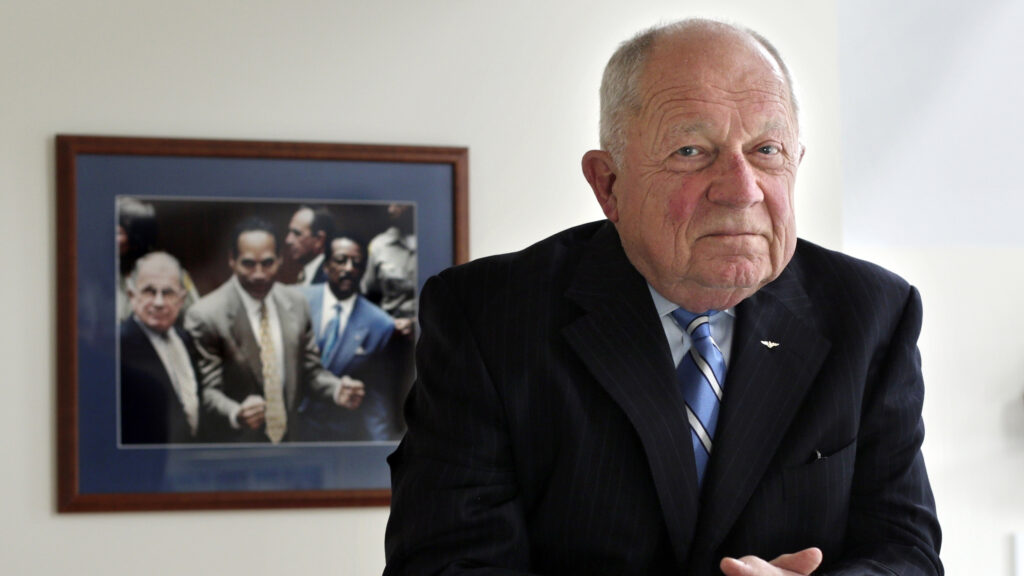
In the summer of 2017, as O.J. Simpson prepared for his parole hearing, I had the opportunity to speak with the late F. Lee Bailey. At the time, Bailey was reflecting on a legacy that changed the American legal landscape forever. Today, following the passing of both Bailey in 2021 and Simpson in 2024, those reflections carry even more weight.
While the “Dream Team” is often remembered as a polished machine, Bailey’s insights revealed the volatile chemistry behind the scenes—a dynamic that continues to define high-stakes litigation in 2025.
The Friction of Greatness: Competing for the Limelight
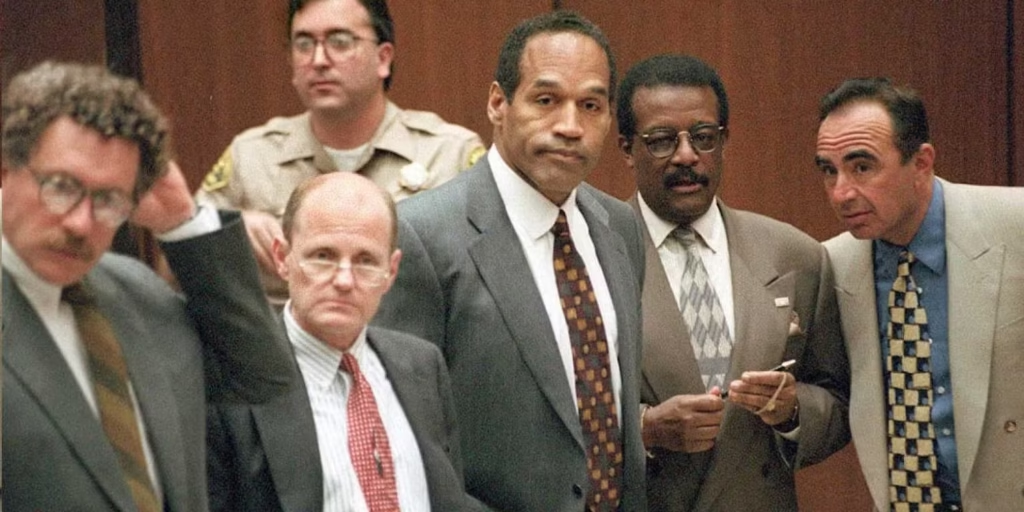
The term “Dream Team” suggests a seamless collaboration, but Bailey’s account was far more nuanced. He described a room filled with brilliant minds, all vying for the steering wheel.
“A lot of people were competing for the limelight,” Bailey told me. “It was a difficult group to manage because there were so many big egos.”
In today’s era of “trial by social media,” where attorneys often become celebrities in their own right, Bailey’s warning about the “limelight” is a lesson for modern legal teams. He understood that while an ego can win a cross-examination, it can also threaten the cohesion of a defense.
The Strategic Divide: Law vs. Narrative
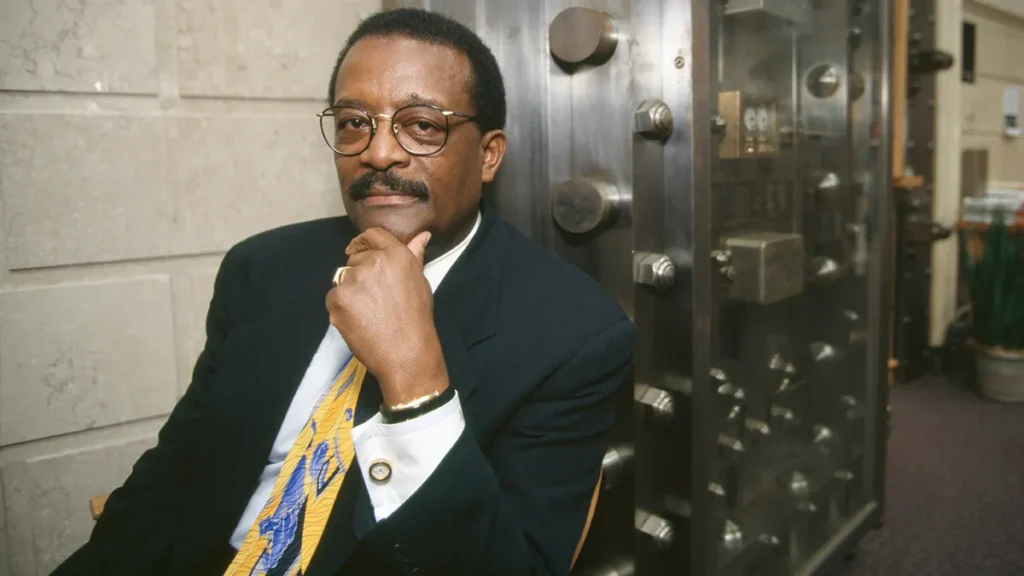
Bailey was a technician of the law, a master of cross-examination who often saw the case differently than Johnnie Cochran. He touched on the strategic tension that arose when deciding how to present the case to the jury.
“Johnnie and I had our differences, but we respected each other. I was more concerned with the technical aspects of the evidence.”
Reflecting on this today, we see this same divide in every major trial: the battle between the legal technicality and the cultural narrative. Bailey’s focus on the “technical aspects” reminds us that while rhetoric wins hearts, the mechanics of evidence—the chain of custody, the forensic integrity—are what ultimately create “reasonable doubt.”
The Evidence: Beyond the Glove
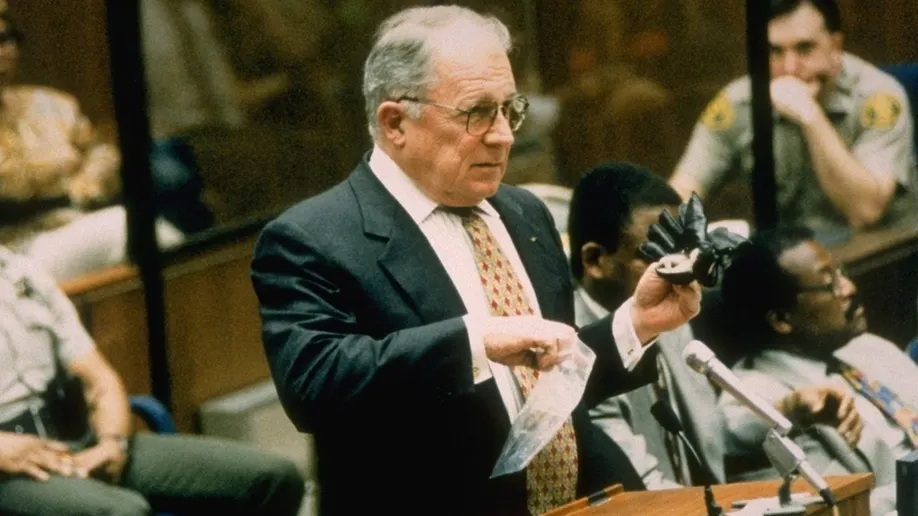
While the public remains fixated on the glove, Bailey’s conversation with me focused on the structural failures of the prosecution’s case. He remained steadfast in his belief that the state’s handling of evidence was fundamentally flawed.
“The evidence was handled so poorly that it was impossible to rely on it with any degree of certainty.”
In 2025, as digital evidence and AI-generated forensics become the new battlegrounds, Bailey’s critique of “certainty” remains the standard. He taught us that a defense attorney’s job isn’t necessarily to prove innocence, but to expose the unreliability of the state’s “proof.”
The Final Legacy of the 1995 Verdict
Bailey was well aware that the Simpson trial was the first truly “viral” moment in American history, long before the internet took its current form. He viewed the trial not just as a victory, but as a stress test for the American jury system.
“The jury did exactly what they were supposed to do: they looked at the evidence and found it wanting.”
As we look back from today’s vantage point, Bailey’s defense of the jury’s role is a buttoned-up reminder of the foundation of our legal system. Whether in 1995, 2017, or today, the burden of proof remains with the state—and as Bailey famously demonstrated, if that proof is “wanting,” the system must lean toward liberty.