
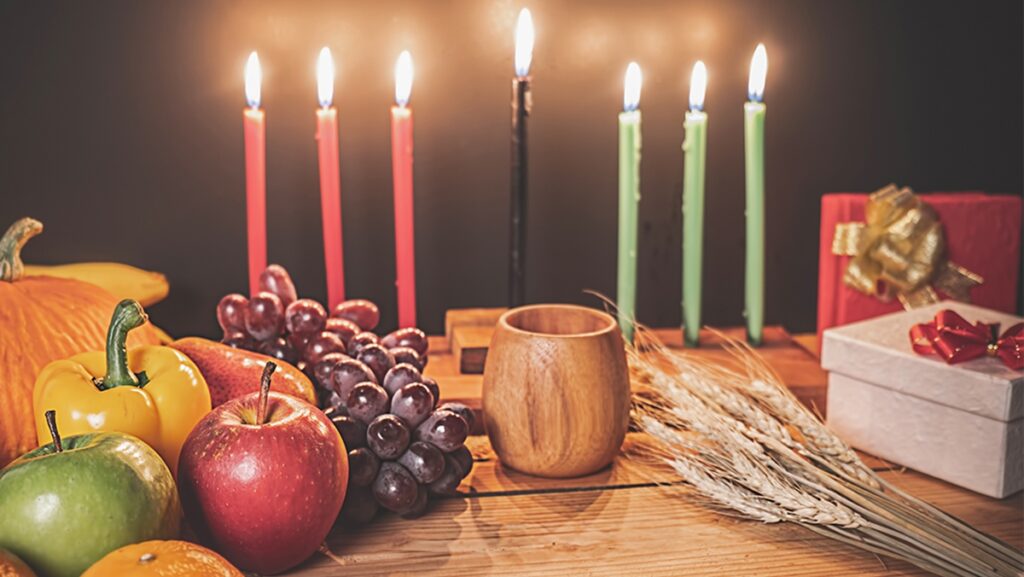
When the dust of the December rush begins to settle, many of us look for a moment to breathe, to ground ourselves, and to remember who we are. That’s where Kwanzaa comes in. It isn’t just a week on the calendar; it’s a deliberate pause to honor the roots that sustain us and the fruits we’ve grown together.
Created in 1966 by Dr. Maulana Karenga, Kwanzaa is a Pan-African holiday that runs from December 26 to January 1. It’s not a religious holiday, nor is it a substitute for Christmas. Think of it more as a cultural homecoming—a bridge between African heritage and the modern Black experience.
The Heartbeat of the Holiday: The Kinara
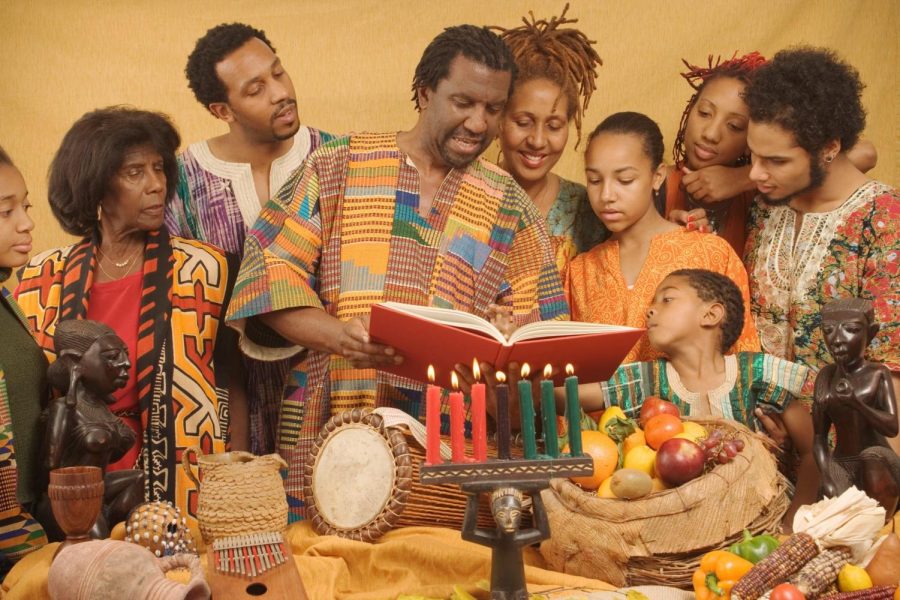
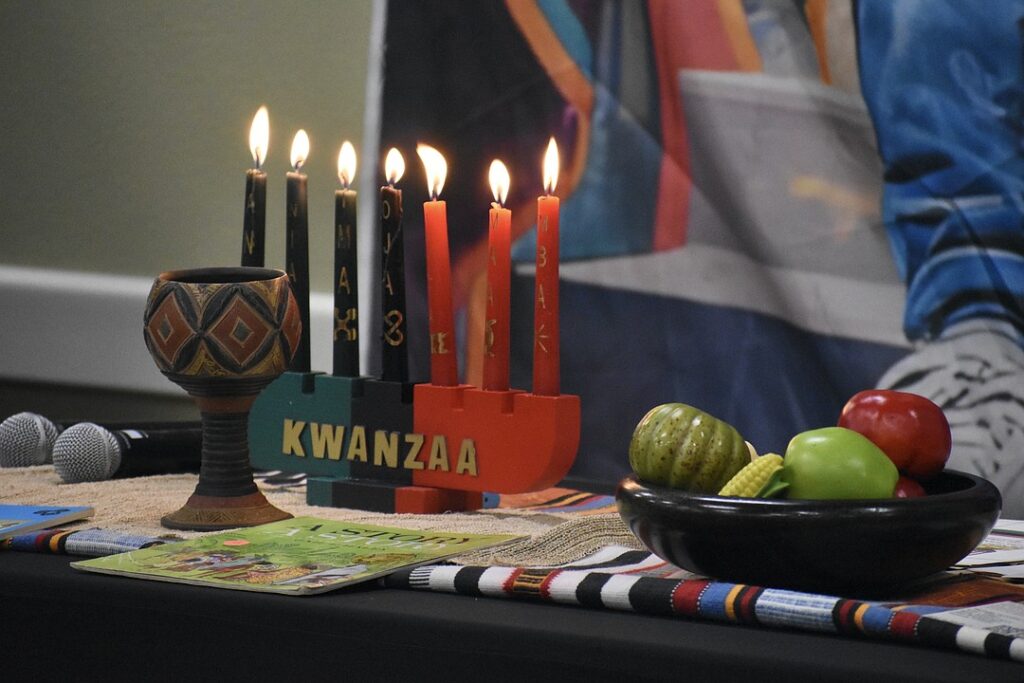
At the center of any Kwanzaa celebration is the Kinara (candle holder). It holds seven candles—three red on the left, one black in the center, and three green on the right. Each night, we light a new candle to represent one of the seven principles, or the Nguzo Saba.
The Seven Principles (The Nguzo Saba)
These aren’t just words; they are a blueprint for living a meaningful life.
- Umoja (Unity): To strive for and maintain unity in the family, community, nation, and race.
- Kujichagulia (Self-Determination): To define ourselves, name ourselves, create for ourselves, and speak for ourselves.
- Ujima (Collective Work and Responsibility): To build and maintain our community together and make our brothers’ and sisters’ problems our problems.
- Ujamaa (Cooperative Economics): To build and maintain our own stores and shops and to profit from them together.
- Nia (Purpose): To make our collective vocation the building and developing of our community.
- Kuumba (Creativity): To do always as much as we can to leave our community more beautiful than we inherited it.
- Imani (Faith): To believe with all our hearts in our people, our parents, our teachers, our leaders, and the righteousness and victory of our struggle.
More Than Just Rituals
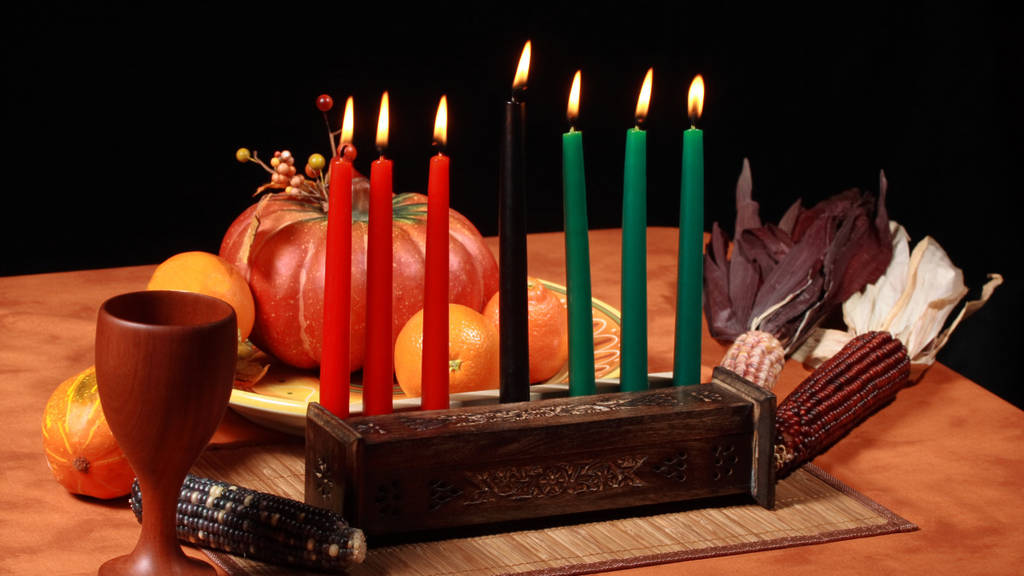
Beyond the candles, Kwanzaa is filled with symbols that tell a story:
- The Mkeka (Mat): The foundation upon which everything else rests—symbolizing history and tradition.
- The Mazao (Crops): Representing the rewards of collective labor.
- The Muhindi (Corn): Representing the children and the future of the family.
- The Kikombe cha Umoja (Unity Cup): Used to perform a libation to honor our ancestors.
The week culminates in the Karamu, a massive feast on December 31. It’s a night of music, storytelling, and incredible food—a soul-stirring celebration before we step into the New Year.
Why It Matters Now
In a world that often feels fractured, Kwanzaa asks us to look inward and upward. It’s a reminder that we are part of a long, resilient lineage. Whether you’ve celebrated your whole life or you’re just curious about starting a new tradition, Kwanzaa is an invitation to celebrate the “first fruits” of our efforts and to enter the new year with a clear sense of purpose.